

The Authority in Global Agricultural Chemistry & Bio-Resources
Is marine antifouling paint bulk worth the cost savings
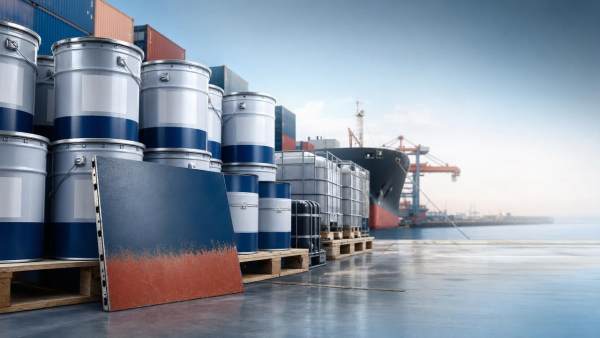
For finance approvers evaluating coating procurement, the appeal of marine antifouling paint bulk orders is obvious: lower unit pricing and stronger budget control. But do those upfront savings hold once storage life, application efficiency, compliance risk, and vessel performance are factored in? This article examines whether buying marine antifouling paint bulk truly delivers measurable cost advantages or simply shifts expenses elsewhere.
How should finance teams judge marine antifouling paint bulk purchases?
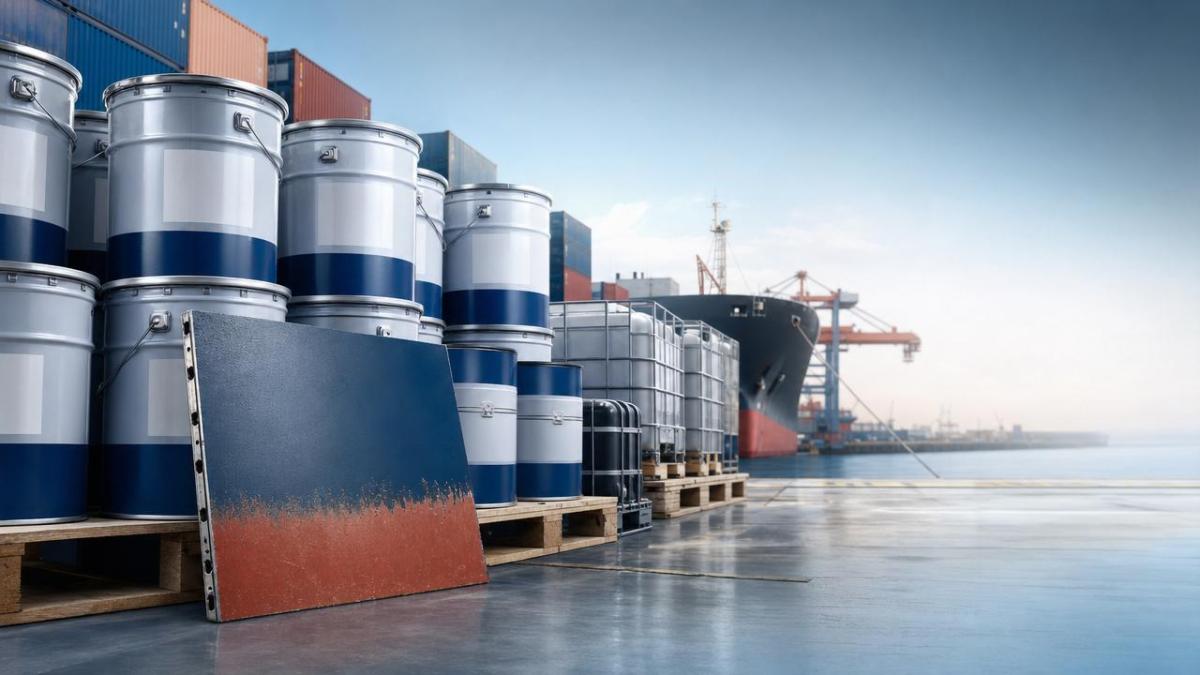
For a finance approver, the right question is not whether marine antifouling paint bulk pricing is lower. It usually is. The real question is whether total landed and lifecycle cost declines after application, compliance, inventory handling, and dry-docking intervals are included.
In marine, aquaculture, fishery support, and industrial processing environments, coating decisions affect fuel use, maintenance frequency, asset uptime, and environmental exposure. That makes antifouling paint a procurement category where apparent savings can either compound into real margin protection or erode through hidden costs.
The financial lens should include more than purchase price
- Unit cost per liter or gallon is only the starting point, not the decision itself.
- Coverage rate, solids content, and expected service life determine actual cost per square meter protected.
- Storage conditions, shelf life, and batch utilization matter more when buying marine antifouling paint bulk.
- Regulatory and waste disposal costs can offset headline procurement savings if unsuitable products are ordered.
This is where analytical editorial platforms such as AgriChem Chronicle add value. ACC’s cross-sector perspective, spanning aquaculture technology, feed processing, fine chemicals, and regulated industrial supply chains, helps procurement teams compare technical claims against operational and compliance realities.
Where do bulk antifouling paint savings usually come from?
The economics of marine antifouling paint bulk orders generally improve when buyers have predictable consumption, consistent vessel specifications, and disciplined inventory control. Suppliers often offer better pricing tiers for drum, pallet, or container quantities, especially when shipment consolidation reduces freight cost per unit.
Still, not every source of savings is equally durable. Some are structural, while others are conditional.
The table below shows how finance approvers can separate genuine savings drivers from assumptions that require verification before approving marine antifouling paint bulk contracts.
The strongest bulk case appears when coating demand is regular and technically standardized. If a fleet includes mixed operating profiles, idle periods, or changing compliance zones, the savings model becomes less certain and should be tested more carefully.
What hidden costs can erase marine antifouling paint bulk advantages?
The most common mistake is approving bulk procurement based on invoice reduction alone. Marine coatings are chemically sensitive products. Their value depends on storage conditions, accurate application, and match with service environment.
Key cost leakages finance teams should model
- Expired or degraded stock. If product sits too long in warm, humid, or poorly ventilated storage, viscosity and performance may drift, leading to waste or rework.
- Over-ordering against uncertain maintenance schedules. Dry-docking delays, vessel charter changes, or project postponements can turn inventory into a liability.
- Application inefficiency. A lower-priced bulk coating may require more coats, stricter surface preparation, or higher film build, reducing labor productivity.
- Compliance exposure. Restrictions on biocides, VOC thresholds, labeling, waste handling, and port-specific environmental rules can add unplanned cost.
- Performance shortfall. If fouling control weakens earlier than expected, operators may face higher fuel consumption, lower speed, or more frequent maintenance windows.
For finance approvers in integrated primary industries, this matters beyond shipping alone. Aquaculture service vessels, fishing support craft, port utility boats, and equipment exposed to marine immersion can all suffer from the same hidden cost pattern: cheap procurement, expensive operation.
Bulk versus smaller orders: which option performs better by cost category?
A useful approval method is to compare marine antifouling paint bulk procurement against smaller, phased purchasing across the cost categories that affect total ownership. The following matrix can support internal review discussions between finance, operations, and technical buyers.
This comparison shows that marine antifouling paint bulk is not inherently better. It performs best in stable, forecastable operations. Smaller orders perform better when maintenance timing, regulations, or vessel deployment patterns are fluid.
Which operating scenarios justify bulk buying most clearly?
Finance approvers should look for operational repetition. Repetition lowers uncertainty. Uncertainty is what weakens a bulk purchasing case.
Scenarios where marine antifouling paint bulk is often justified
- A fleet operator manages similar vessels with recurring dry-dock schedules and comparable hull conditions.
- An aquaculture enterprise uses support boats and service platforms under consistent immersion and fouling pressure.
- A contractor has annual coating demand confirmed through framework agreements and can rotate stock quickly.
- The buyer has compliant storage, trained applicators, and procurement oversight tied to actual consumption data.
Scenarios where bulk buying is often weaker
- Single-vessel or low-frequency maintenance programs with uncertain timing.
- Operations entering new jurisdictions with evolving environmental restrictions.
- Mixed fleets where substrate type, operating speed, and idle periods differ significantly.
- Sites lacking temperature-controlled storage or robust material traceability.
ACC’s sector coverage is relevant here because many industrial buyers now operate across marine, agricultural, biochemical, and processing interfaces. A coating decision can no longer be treated as an isolated materials purchase; it belongs in a broader risk and performance framework.
What technical and compliance checks should be completed before approval?
When approving marine antifouling paint bulk, finance teams should insist on a technical review packet. That does not mean doing the chemist’s job. It means ensuring the savings model rests on documented suitability rather than supplier assumptions.
The checklist below helps align budget approval with operational and regulatory control.
These checks are particularly important for institutional buyers that already work under GMP-like documentation discipline or formal supplier qualification systems. Strong documentation does not guarantee performance, but weak documentation often predicts downstream cost.
How can finance approvers build a practical decision model?
A practical approval framework for marine antifouling paint bulk should combine pricing, technical fit, compliance, and usage certainty. If one of these pillars is weak, the expected savings should be discounted.
A five-step review process
- Confirm annual consumption using historical dry-dock, repair, or maintenance records rather than aspirational forecasts.
- Translate supplier pricing into usable cost per square meter after accounting for solids, target film thickness, and wastage rate.
- Score storage readiness, including temperature control, segregation, hazard handling, and stock rotation capability.
- Review compliance exposure across operating ports, disposal obligations, and environmental restrictions on active substances.
- Model downside cost if 10% to 20% of the bulk order is delayed, wasted, or requires rework.
This approach allows finance to move beyond a simple approval-or-rejection role. It creates a defensible procurement decision tied to asset reliability and cash efficiency.
FAQ: what do finance approvers ask most about marine antifouling paint bulk?
Is marine antifouling paint bulk always cheaper in total cost?
No. It is often cheaper on invoice value per unit, but total cost depends on stock turnover, technical suitability, application yield, and service life. If excess stock expires or the coating underperforms, bulk can cost more than phased purchasing.
What is the biggest financial risk in bulk coating procurement?
The biggest risk is misalignment between purchase volume and real usage. That mismatch can create working capital drag, expiry losses, and emergency corrective spending. The second major risk is approving a product without validating compatibility and compliance documentation.
When does marine antifouling paint bulk make the most sense?
It makes the most sense for repeat-use environments: fleets with stable maintenance windows, aquaculture support operations with predictable immersion exposure, or contractors with recurring project demand and managed storage systems.
What documents should finance request before approval?
At minimum, request current technical data sheets, safety data sheets, shelf-life details, storage instructions, declared coverage metrics, batch traceability information, and any applicable environmental or transport compliance documentation relevant to the purchase route and end-use jurisdiction.
Why work with us when assessing coating procurement decisions?
AgriChem Chronicle supports decision-makers who cannot afford superficial procurement analysis. Our editorial strength comes from connecting chemical understanding, regulated supply-chain scrutiny, and industrial operating realities across aquaculture, primary processing, and technical materials purchasing.
If you are evaluating marine antifouling paint bulk options, we can help you frame the right review questions before capital is committed. That includes parameter confirmation, coating comparison logic, expected usage assumptions, delivery timing considerations, documentation requirements, and supplier communication points that matter to finance and procurement teams.
- Need support comparing bulk pricing against phased purchasing scenarios?
- Need a clearer checklist for product selection, storage readiness, or compliance review?
- Need guidance on delivery schedules, documentation expectations, or quotation discussions?
Contact us to discuss your procurement case with a more structured lens. A better marine antifouling paint bulk decision starts with better questions: expected consumption, application parameters, storage constraints, certification needs, sample evaluation approach, and budget-risk tradeoffs.
Related Intelligence
- Commercial FishingWhat Should You Check in a Fishery Equipment Maintenance Contract?What should I look for in a fishery equipment maintenance contract? Explore coverage, response times, costs, records, safety, and biosecurity essentials.
- Commercial FishingDo commercial fishing vessels with hybrid diesel-electric propulsion reduce fuel cost per kg landed by more than 12%?Commercial fishing vessels with hybrid diesel-electric propulsion *can* cut fuel cost per kg landed by >12%—but only under precise operational and infrastructure conditions. Discover the real ROI.
- Commercial FishingHow to Choose Oyster Processing Equipment for Capacity, Hygiene, and Labor EfficiencyOyster processing equipment guide: compare capacity, hygienic design, and labor efficiency to build a reliable, scalable line and make smarter buying decisions.
The Morning Broadsheet
Daily chemical briefings, market shifts, and peer-reviewed summaries delivered to your terminal.
