

The Authority in Global Agricultural Chemistry & Bio-Resources
Stacked Poultry Cage Systems vs Floor Rearing: Which Fits Your Farm Layout?
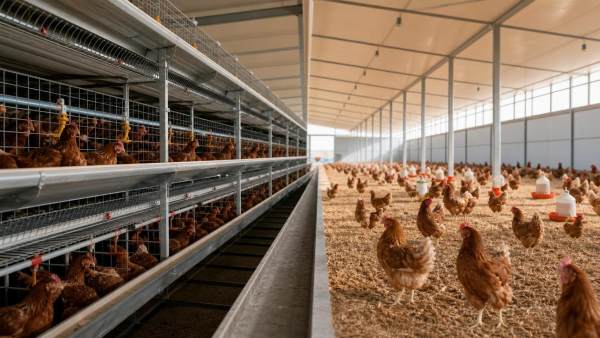
Choosing between stacked poultry cage systems and floor rearing shapes far more than bird placement. It influences land productivity, workflow design, sanitation routines, ventilation strategy, and the economics of every square meter on site.
That is why the discussion now matters across primary industries. As AgriChem Chronicle tracks machinery, processing, and compliance trends, housing design has become a practical investment question, not just a husbandry preference.
In most cases, the right answer depends on layout constraints, target output, labor structure, and how tightly a farm must control health, traceability, and operating consistency.
What the two systems really represent
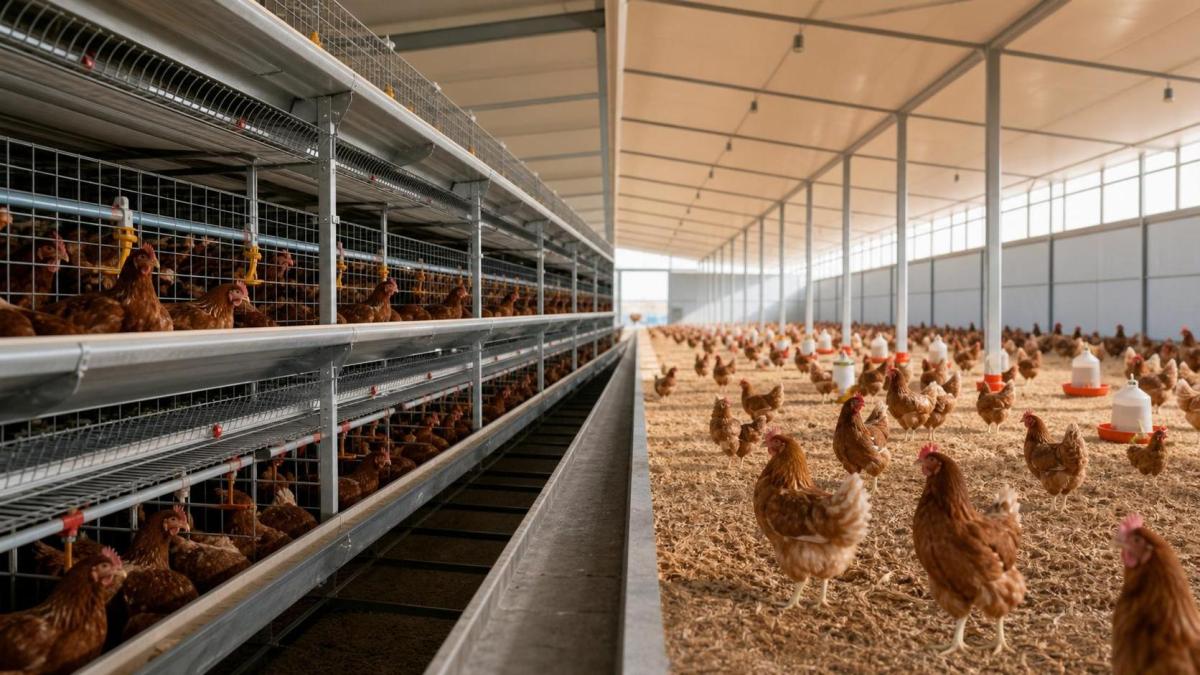
The comparison is often simplified into intensive versus traditional production. That misses the operational logic behind each model.
Stacked poultry cage systems use vertical tiers to increase stocking capacity within a fixed building footprint. Feed delivery, watering, manure removal, and collection can be partly or fully automated.
Floor rearing places birds on litter across an open shed or house. It gives more horizontal movement space and can suit operations where lower equipment density is preferred.
Neither model is universally better. Each creates a different relationship between space, labor, disease control, and capital spending.
Why layout has become the deciding factor
Land availability is tighter in many producing regions. Expansion permits, utility access, wastewater control, and biosecurity zoning now shape building choices as much as bird genetics or feed cost.
For that reason, stacked poultry cage systems are attracting attention where farms need more output from existing plots. A vertical system can delay the need for new construction land.
Floor rearing remains relevant where land is available, labor is stable, and the business model values lower mechanical complexity. It can also be easier to phase in on sites with basic infrastructure.
The broader industry context matters as well. Buyers increasingly look at consistency, sanitation records, and process transparency, especially when farms are linked to regulated food and ingredient supply chains.
Space use and building geometry
Farm layout starts with geometry. The dimensions of the existing house, roof height, column spacing, drainage slope, and service corridors all affect which system can work efficiently.
Stacked poultry cage systems generally perform best in buildings with sufficient vertical clearance, dependable ventilation design, and room for equipment access at both ends and along central aisles.
Floor rearing needs more horizontal area per bird. It also depends heavily on litter handling, internal circulation routes, and enough open floor space for inspection and catch-out.
When a site is irregular, narrow, or already partly built out, stacked poultry cage systems may fit the business case better than another wide-span floor house.
Labor, hygiene, and operating rhythm
Housing choice changes daily labor patterns. This is often where the financial difference becomes visible after installation.
Stacked poultry cage systems usually reduce repetitive manual tasks. Automated feeding, watering, egg handling, or manure belts can improve labor productivity and support more predictable routines.
Floor rearing may involve more manual observation, litter management, cleaning effort, and bird movement across open areas. Some farms value that direct visibility, but it can increase labor intensity.
Hygiene control also differs. In cage environments, separation from manure and tighter equipment flows can simplify sanitation management. In floor systems, litter condition becomes a central health variable.
This matters in regions where disease events, regulatory scrutiny, or customer audits are shaping procurement decisions across the agricultural and processing chain.
Points that deserve closer review
- Cleaning downtime between cycles
- Ventilation uniformity across the house
- Manure handling and storage logistics
- Staff skill requirements for equipment maintenance
- Biosecurity separation between age groups and service areas
Capital cost is only one part of the return
Upfront cost often dominates the conversation, yet layout planning requires a longer view. A cheaper installation can become the more expensive model if throughput, labor, or sanitation losses persist for years.
Stacked poultry cage systems usually require higher initial equipment spending. They may also demand stronger electrical reliability, better climate controls, and planned maintenance support.
Floor rearing can lower the mechanical entry barrier, especially during gradual expansion. However, it may carry higher land cost per unit of production and more variable performance between flocks.
The useful comparison is not equipment price alone. It is total return per house, per worker hour, and per square meter across the full production cycle.
That approach aligns with how ACC evaluates industrial systems: through operating discipline, measurable output, and supply chain resilience rather than isolated purchase figures.
Where each model tends to fit best
A practical decision usually becomes clearer when the system is tied to site type and operational objective.
These are not rigid rules, but they provide a sound starting point for layout screening and capital planning.
Questions to answer before committing
The most reliable decisions come from a structured site review. In practice, five questions usually reveal whether stacked poultry cage systems or floor rearing make more sense.
- How much usable land remains after roads, storage, waste areas, and biosecurity buffers are mapped?
- Can the current building shell support tiered equipment, airflow demand, and service access?
- What output target must the site reach within three to five years?
- How stable are labor availability, utility supply, and maintenance support?
- What level of recordkeeping and compliance visibility is expected by downstream buyers or regulators?
If those answers point toward density, consistency, and controlled throughput, stacked poultry cage systems often deserve serious consideration.
If they point toward land flexibility, simpler infrastructure, and gradual rollout, floor rearing may remain the better operational match.
A practical next step for layout planning
The most useful next move is to compare both models against the actual farm map, not against generic assumptions. A layout sketch, ventilation plan, labor schedule, and expansion target will expose the stronger option quickly.
In many modernization projects, stacked poultry cage systems deliver the clearest value when land is constrained and output discipline matters. Floor rearing stays viable when the site and business model can absorb lower density.
A disciplined review of footprint, labor, hygiene, utilities, and future capacity will do more than settle a housing debate. It will define whether the farm layout can support durable, scalable production.
Related Intelligence
- Poultry Housing & CagingHow Should Buyers Compare Poultry Farm Equipment Prices Globally?What is the best way to compare poultry farm equipment prices globally? Evaluate landed cost, performance, compliance, supplier support, and lifetime value.
- Poultry Housing & CagingWhen a Lower Layer Cage Price Can Increase Long-Term Farm Operating CostsLayer cages price is more than an upfront quote. Discover how cheaper systems can raise labor, repair, egg-loss, and automation costs over time.
- Poultry Housing & CagingHow Poultry Equipment Layout Affects Cleaning, Biosecurity, and MaintenancePoultry equipment and their uses shape cleaning access, biosecurity, and maintenance. Discover layout strategies that reduce risks and improve farm efficiency.
The Morning Broadsheet
Daily chemical briefings, market shifts, and peer-reviewed summaries delivered to your terminal.
