

The Authority in Global Agricultural Chemistry & Bio-Resources
2026 Poultry Farm Equipment Cost Trends and Practical Buying Priorities
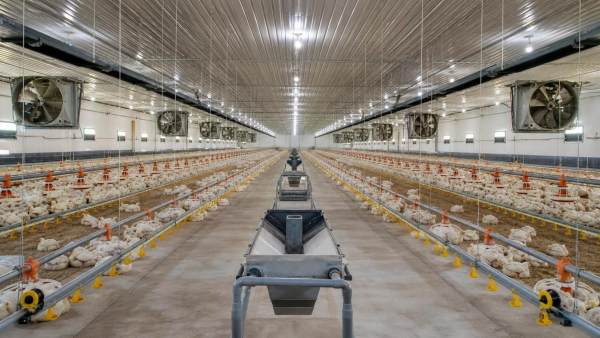
2026 Poultry Farm Equipment Cost Trends and Practical Buying Priorities
Poultry producers, distributors, and procurement teams are entering 2026 with a more complex equipment market than they faced a few years ago. Cost is no longer a simple matter of comparing unit prices for feeders, drinkers, cages, climate systems, or manure handling lines. Investment decisions now sit at the intersection of material volatility, labor pressure, energy efficiency requirements, expansion timing, and equipment life-cycle performance. For businesses planning new farms, retrofits, or regional distribution strategies, understanding how equipment costs are shifting has become an operational issue rather than a budgeting exercise alone.
This matters because poultry production depends on consistency. A lower upfront quote may look attractive, yet the wrong purchase can raise installation complexity, increase spare part dependence, shorten service intervals, or reduce flock management efficiency. In many cases, the real financial impact of equipment is felt over years of use through feed loss, water waste, ventilation imbalance, cleaning difficulty, and downtime during peak production cycles. That is why the market conversation in 2026 is moving toward total operating value rather than simple acquisition cost.
Several broad conditions are shaping current pricing. Steel and plastic components remain sensitive to input cost changes, especially for systems with large metal structures or molded feeding and watering parts. Freight and packaging costs still influence delivered pricing, particularly for buyers serving remote project sites or importing complete farm packages. At the same time, automation demand continues to push interest toward environmental controllers, automated feeding systems, egg collection lines, and manure removal equipment. As more buyers compare manual, semi-automatic, and automatic configurations, price differences are being judged against labor availability and long-term throughput expectations rather than viewed in isolation.
Another visible trend is the widening price gap between basic equipment and integrated systems. A standard feeder line or drinker line may remain manageable for small and mid-scale operations, but a full package that combines ventilation, cooling, feed delivery, monitoring, lighting control, and waste handling can change project economics significantly. This does not automatically mean larger systems are overpriced. In many operations, integrated equipment may reduce labor intensity, improve bird uniformity, and support better environmental control. The practical issue is whether the production model can actually capture those gains.
Procurement teams should also expect installation-related costs to receive more attention in 2026. Equipment prices are often compared without equal scrutiny of building compatibility, layout adaptation, electrical preparation, water pressure requirements, and ventilation design. A feeding line that fits poorly within the house structure or a controller package that requires additional electrical upgrades can shift the true project cost quickly. For buyers handling multi-site expansion, these hidden adjustments may outweigh moderate differences in factory pricing.
For distributors and commercial evaluators, the most useful market lens is not whether prices are generally rising or falling, but where cost pressure is accumulating. It often appears in four places: core materials, automation layers, logistics, and after-sales support. Equipment categories with more motors, sensors, and control components may face different pricing behavior than simpler mechanical products. Likewise, imported systems may carry less predictable landed costs than locally assembled alternatives, even when the base quote appears competitive.
This shift is changing how serious buyers frame supplier discussions. Instead of asking only for a product list and quotation, they increasingly ask about component durability, lead times for replacement parts, local technical support, installation guidance, and expected maintenance frequency. These questions are especially important for enterprises that cannot afford disruption during flock turnover or seasonal production peaks. In practical terms, the cheapest equipment line can become the most expensive if it creates service delays or repeated replacement needs.
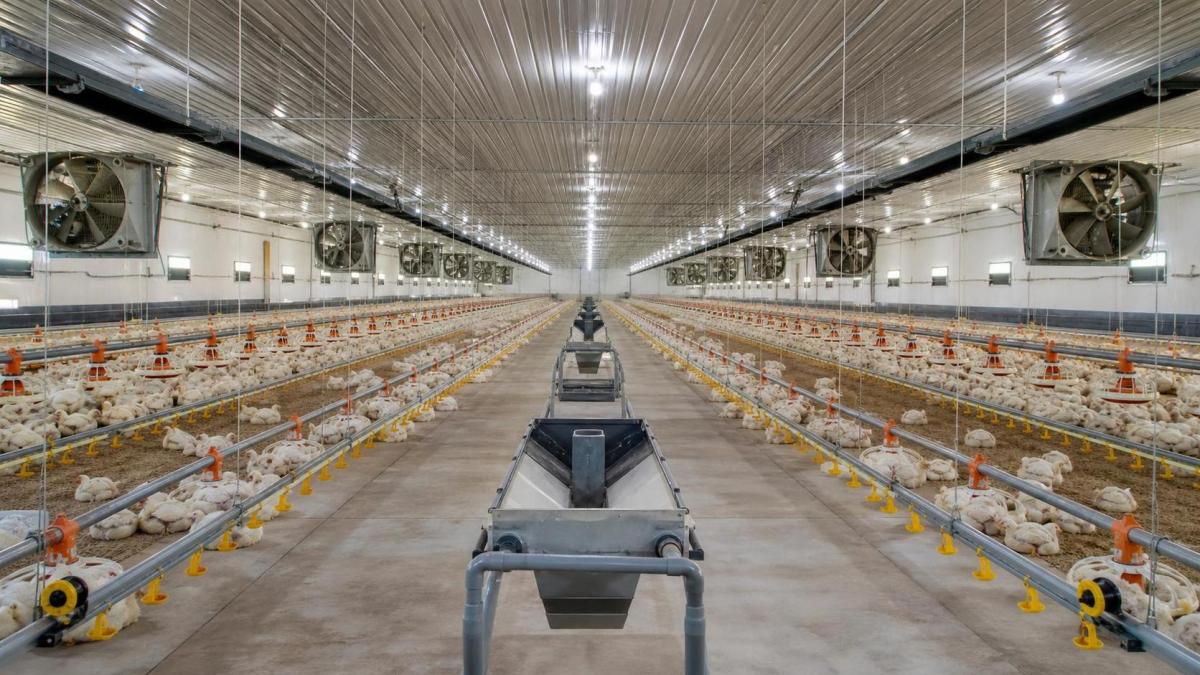
A sensible buying approach for 2026 starts with defining the operating model first. Broiler farms, layer farms, breeder facilities, and contract growers do not carry the same priorities. Some operations need rugged equipment with low maintenance complexity because technical staff is limited on site. Others can justify more advanced automation because labor costs are high or management needs tighter environmental control. The right cost benchmark therefore depends on stocking density goals, building design, expansion horizon, and the skill level available to maintain the system.
For teams comparing options across suppliers, poultry farm equipment cost trends are most useful when treated as part of a wider procurement review that includes installation scope, expected operating life, cleaning efficiency, consumable replacement frequency, and compatibility with local farm conditions. Looking at pricing in this broader way helps decision-makers avoid false savings that may only exist at quotation stage.
One practical priority is material quality in high-contact components. Feed pans, drinker assemblies, support frames, ventilation housings, and manure handling parts all face daily wear. If the operating environment includes high humidity, chemical cleaning routines, or continuous flock turnover, the durability of these parts can influence replacement cycles and labor demands. Procurement teams should ask how materials perform under real farm conditions, not only how they appear in catalog specifications. Durable construction may justify a higher entry price if it stabilizes maintenance costs across multiple production cycles.
A second priority is system fit rather than feature count. Buyers are often offered additional controls or accessories that sound advanced but provide little practical return in the target setting. A medium-scale operation may benefit more from reliable ventilation balance and straightforward feed delivery than from a complex monitoring layer that local staff rarely uses. Conversely, a larger commercial farm may see measurable value from automation if labor shortages or consistency requirements are already affecting output. The purchase decision should therefore match actual management capability and production targets.
Energy and utility consumption are also becoming more relevant in cost analysis. Ventilation fans, heating support, cooling systems, lighting, and automated motors all influence the running cost of a poultry house. Even if energy prices vary by region, efficiency remains important because it affects long-term cost predictability. Equipment that supports stable environmental control with lower waste may help protect margins, especially in facilities aiming for tighter performance management. This is one reason why some buyers are less focused on the lowest initial quote and more interested in operating efficiency over time.
Another buying priority is service structure. Spare parts availability, remote troubleshooting, assembly instructions, commissioning support, and response time during breakdowns can all shape the real value of a supplier relationship. This is particularly important for dealers and agents who must protect their own reputation in downstream markets. If they distribute equipment that is difficult to support, short-term pricing advantages may be erased by claims, delays, or customer dissatisfaction. In 2026, service capability is increasingly part of the equipment cost conversation, even when it does not appear as a separate line item.
Common mistakes still appear in procurement decisions. Some buyers compare systems with different scope as if they were equivalent, leading to misleading price conclusions. Others underestimate freight, assembly, and commissioning expenses. Some focus too heavily on automation without evaluating whether farm infrastructure can support it. There is also a tendency to overlook cleaning and biosecurity implications. Equipment that is harder to wash, inspect, or maintain may create operational friction that becomes costly over time. These issues are especially relevant for enterprises trying to standardize performance across multiple sites.
The most disciplined buyers usually separate costs into three layers: purchase cost, deployment cost, and ownership cost. Purchase cost covers the quoted equipment itself. Deployment cost includes transport, installation, utilities adaptation, and startup. Ownership cost covers maintenance, part replacement, labor impact, utility use, and downtime risk. This framework improves internal discussions between procurement, operations, finance, and management because it reveals where one option may be cheaper on paper but weaker in operation.
For enterprise decision-makers, the current market environment suggests a more cautious but not necessarily defensive stance. Delaying all investment can carry its own cost if aging equipment is already reducing efficiency or increasing labor pressure. At the same time, expansion plans should be tested against realistic assumptions about service access, construction readiness, and operating discipline. The strongest decisions are usually based on phased evaluation: identify essential systems first, confirm farm compatibility, compare total deployment cost, and then review options for automation upgrades where they can produce measurable value.
In 2026, poultry equipment purchasing is likely to remain less about chasing the lowest quote and more about protecting continuity, efficiency, and long-term return. Buyers who understand cost trends in this practical way are better positioned to choose equipment that supports stable production rather than simply meeting a short-term budget target. For information researchers, distributors, procurement officers, and business evaluators, that broader perspective is what turns equipment pricing into a meaningful strategic indicator.
Related Intelligence
- Poultry Housing & CagingHow Cage Specifications Affect Poultry Housing Costs in NigeriaLocally made poultry cage price in Nigeria: compare cage specifications, housing costs, durability, ventilation, manure systems, and installation factors for smarter poultry investment.
- Poultry Housing & CagingWhat Determines Battery Cage Prices in Nigeria Beyond Bird Capacity?Battery cage price in Nigeria depends on more than capacity. Compare steel, automation, logistics, and installation scope for a smarter poultry investment.
- Poultry Housing & CagingBuilding a Poultry Farm Equipment Solution Around Flock Size and LayoutPoultry farm equipment solution planning for flock size and layout—optimize feeding, water, ventilation, automation, and future expansion.
The Morning Broadsheet
Daily chemical briefings, market shifts, and peer-reviewed summaries delivered to your terminal.
