

The Authority in Global Agricultural Chemistry & Bio-Resources
Layer Poultry Caging Systems: What to Compare Before Choosing Capacity and Layout
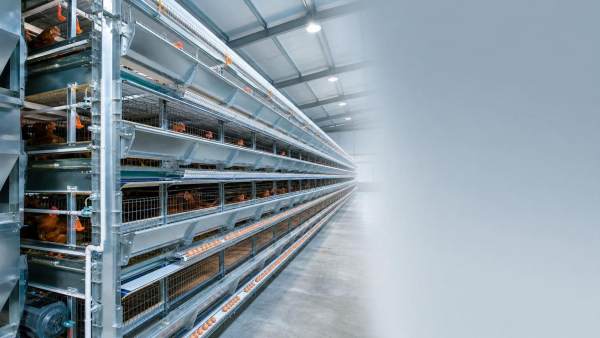
Why does capacity planning come before layout?
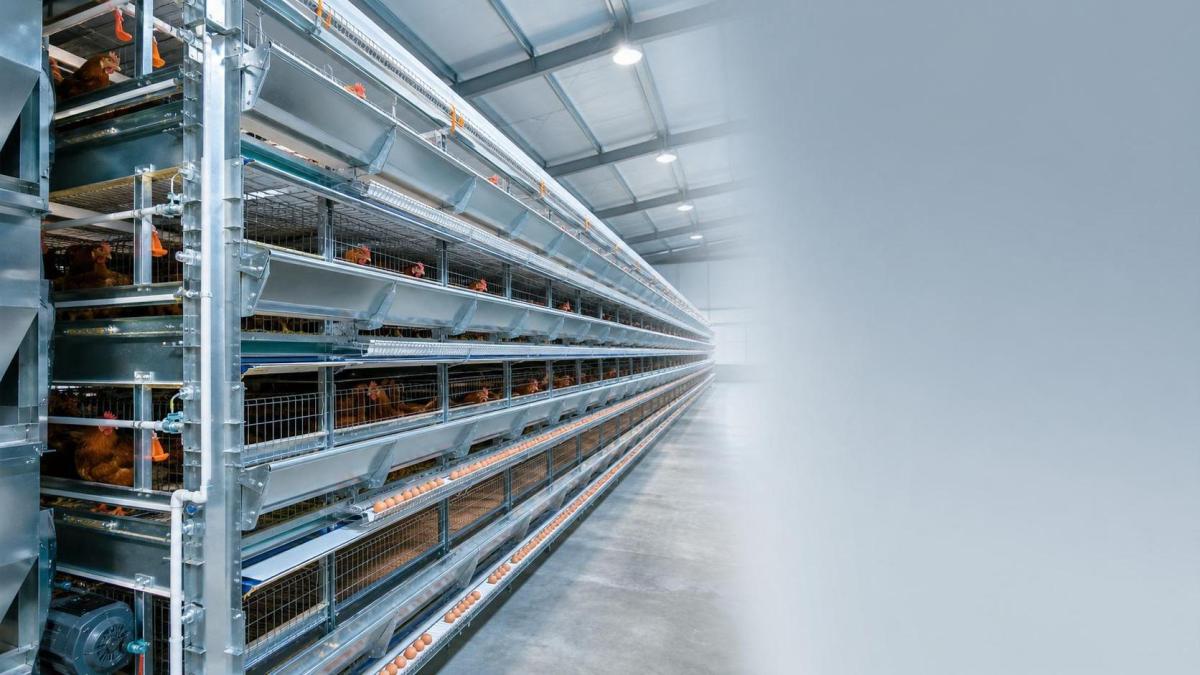
Selecting layer poultry caging systems starts with a simple question: how many hens must the house support without weakening airflow, egg handling, or compliance margins?
That is why capacity should be treated as an operating target, not a sales brochure figure.
In practice, the best layout is the one that keeps stocking density, manure removal, feed delivery, and inspection access in balance over years of use.
This matters even more in primary industries, where equipment decisions are judged against traceability, maintenance discipline, and long-term cost visibility.
That broader decision lens is familiar to readers of AgriChem Chronicle, where regulated supply chains and technical validation shape buying decisions across agriculture and processing.
For layer poultry caging systems, the same logic applies. A higher bird count only pays if the house still performs under heat, disease pressure, labor shortages, and welfare audits.
When buyers compare layer poultry caging systems, what should they really measure?
The most common mistake is comparing cage rows and bird numbers without checking the supporting engineering around them.
A useful comparison usually includes these points:
- Usable birds per house after service aisles, end clearance, and equipment zones are included.
- Tier height and row spacing in relation to ventilation throw and daily inspection visibility.
- Feed chain or auger uniformity across the longest production runs.
- Egg belt speed, transfer point design, and breakage risk at peak output.
- Manure removal intervals, belt strength, and unloading compatibility with the building.
- Frame coating, wire quality, and corrosion resistance under local humidity conditions.
Layer poultry caging systems may look similar on paper, yet performance often separates at the interfaces between bird housing and building infrastructure.
For example, a dense configuration can appear efficient until ventilation dead zones raise heat stress in upper tiers.
Another system may offer fewer birds per house but better access, lower mortality risk, and cleaner egg collection.
A short decision table helps narrow the field before technical review goes deeper.
Which layout works better: more tiers, wider rows, or easier access?
There is no universal winner, because layout depends on house width, climate strategy, labor model, and local welfare rules.
Still, the trade-offs are predictable enough to compare.
Higher-tier systems
These are often selected when land cost is high and maximum capacity per building is the priority.
They can improve capital efficiency per hen, but only if ventilation, lifting access, and manure handling are designed around the extra vertical load.
Wider-row configurations
These layouts usually sacrifice some bird density to gain airflow space, operator movement, and easier observation.
In hot or humid regions, that compromise often supports more stable production.
Access-first layouts
When labor skill varies or service response must be fast, easier access can outperform nominally denser plans.
That is especially true where routine checks, repairs, and sanitation standards are tightly monitored.
A practical way to judge layer poultry caging systems is to calculate output per square meter together with service minutes per 1,000 birds.
Those two figures reveal whether the layout is efficient only on paper, or efficient in daily use.
How do welfare rules and house environment change the choice?
This is where many comparisons become too narrow. Layer poultry caging systems do not operate independently from compliance frameworks or building physics.
Different markets may require minimum space per bird, manure management controls, biosecurity design, or audit-ready operating records.
A layout that fits one jurisdiction may need major changes elsewhere.
Environmental conditions also reshape the decision:
- Hot climates demand clearer airflow paths and less tolerance for over-dense row planning.
- Cold regions may prioritize insulation, condensation control, and dependable motor performance.
- High humidity increases corrosion risk and raises the value of better coatings and wire finish.
- Water quality can influence nipple line maintenance and scaling risk.
In actual sourcing work, a robust specification package usually combines layout drawings, welfare criteria, climate assumptions, and acceptable maintenance intervals.
That approach mirrors how technically regulated sectors assess equipment risk before approving capital projects.
What costs are usually underestimated in layer poultry caging systems?
Purchase price is visible. Operating friction is not. That is why lower initial quotations can become more expensive over the production cycle.
The most overlooked cost areas include egg breakage, uneven feed distribution, belt failure, extra cleaning time, and delayed spare parts.
Energy use also matters more than many estimates suggest, especially when ventilation must compensate for a difficult layout.
It helps to review total cost through a short checklist:
- Expected service life of frames, belts, motors, and drinking lines
- Lead time and local availability of replacement parts
- Cleaning labor per house turn or production cycle
- Probability of downtime at egg transfer points
- Training time needed for operation and maintenance crews
More careful buyers also ask for references from installations with similar house dimensions and climate profiles.
That kind of evidence is more useful than generic claims about productivity.
What are the most common mistakes before final approval?
One frequent error is accepting standard drawings before confirming actual building constraints, including columns, roof pitch, and loading points.
Another is treating layer poultry caging systems as isolated machinery instead of part of a full house system.
That separation can create expensive conflicts with fans, inlets, conveyors, manure discharge paths, or collection rooms.
There is also a documentation risk. Technical offers should clearly define capacity assumptions, materials, coating standards, motor brands, and test conditions.
If those details stay vague, future performance disputes become difficult to resolve.
A disciplined approval process usually asks for:
- A final layout tied to the real house drawing
- A bill of materials with exact technical grades
- Power and utility requirements for each subsystem
- Commissioning scope, training scope, and spare-parts scope
- Warranty language linked to operating conditions
These steps may look procedural, but they usually determine whether the chosen system scales smoothly or creates hidden corrections later.
So how should the final decision be made?
The strongest decision is rarely based on maximum stated capacity alone.
It comes from matching layer poultry caging systems to the real house envelope, climate demands, welfare expectations, service model, and cost horizon.
If two options look close, the better choice is usually the one with clearer engineering assumptions and fewer operational unknowns.
A sensible next step is to build a comparison sheet around three anchors: verified capacity, layout practicality, and lifetime support.
Then test each proposal against actual site drawings, utility limits, maintenance routines, and compliance requirements.
That process takes more effort upfront, yet it is the most reliable way to choose layer poultry caging systems that remain productive, auditable, and economically stable over time.
Related Intelligence
- Poultry Housing & CagingHow Cage Specifications Affect Poultry Housing Costs in NigeriaLocally made poultry cage price in Nigeria: compare cage specifications, housing costs, durability, ventilation, manure systems, and installation factors for smarter poultry investment.
- Poultry Housing & CagingWhat Determines Battery Cage Prices in Nigeria Beyond Bird Capacity?Battery cage price in Nigeria depends on more than capacity. Compare steel, automation, logistics, and installation scope for a smarter poultry investment.
- Poultry Housing & CagingBuilding a Poultry Farm Equipment Solution Around Flock Size and LayoutPoultry farm equipment solution planning for flock size and layout—optimize feeding, water, ventilation, automation, and future expansion.
The Morning Broadsheet
Daily chemical briefings, market shifts, and peer-reviewed summaries delivered to your terminal.
