

The Authority in Global Agricultural Chemistry & Bio-Resources
Battery Cage System In Poultry: Practical Guide for Poultry Buyers
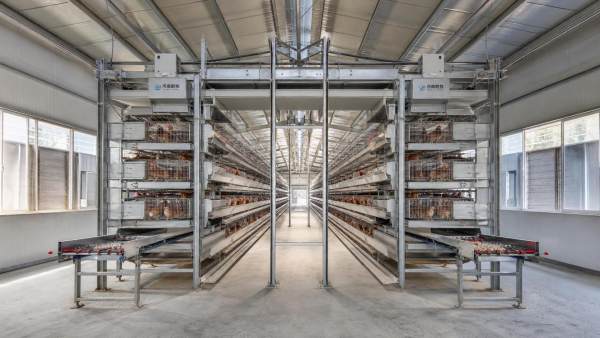
A battery cage system in poultry is often discussed as a way to organize birds, save house space, and make daily management more structured. For a buyer, however, the real decision is not whether cages look efficient in a product photo. The decision is whether the cage system, house layout, feeding method, drinking line, manure handling, ventilation, and installation plan can work together in the farm's actual conditions.
Poultry farms can lose time and money when cages are selected as separate hardware rather than as part of a production system. A cage frame may be strong, but if the aisle is too narrow, workers cannot inspect birds easily. A drinking line may be supplied, but if pressure control is poor, wet manure and corrosion risks increase. A manure belt may be included, but if maintenance access is limited, cleaning becomes difficult. Practical selection starts with the whole system.
What the System Needs to Control
The first role of a battery cage system is to organize bird access. Layers need consistent access to feed, water, light, air, and egg collection points. Workers need safe access for inspection, replacement, cleaning, and record keeping. The house needs a layout that supports airflow and manure removal. When these elements are considered together, cages become part of a management plan rather than a standalone purchase.
Buyers should list the problems they want the system to solve before requesting a quotation. Common goals include improving space use, making egg collection easier, reducing floor contact, separating groups more clearly, improving inspection efficiency, and managing manure in a cleaner way. Each goal changes the equipment details that should be discussed with the supplier.
Key Components to Review
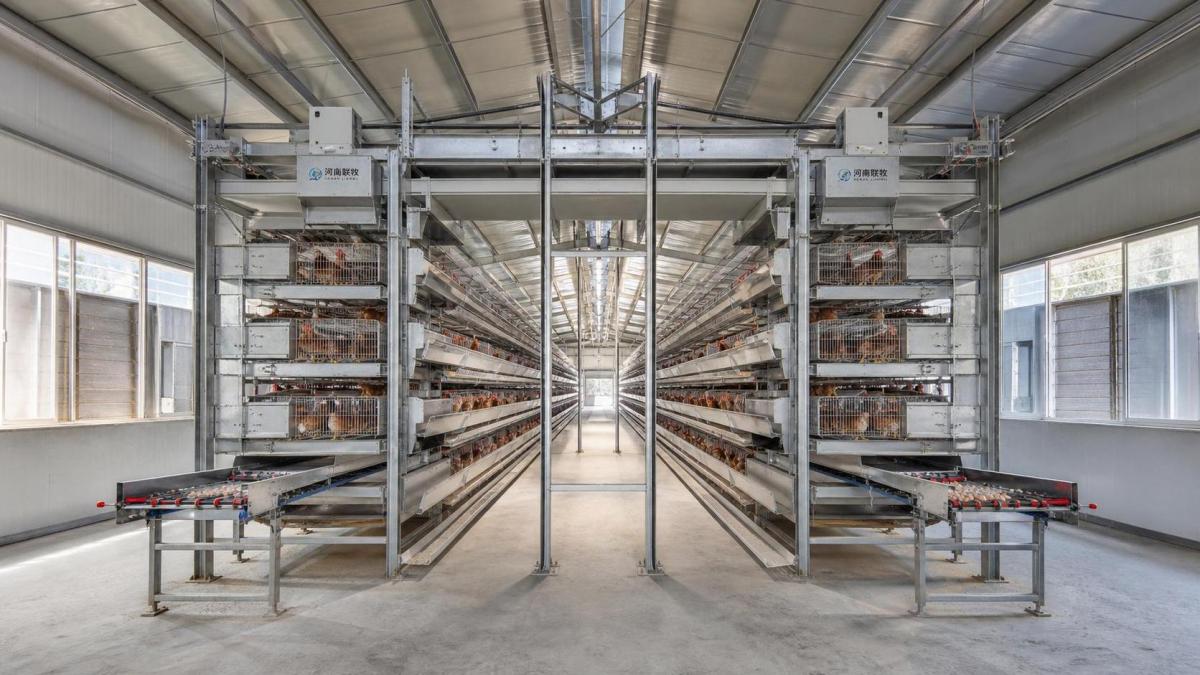
A cage proposal should include more than cage dimensions. The buyer should review cage frame material, wire mesh quality, door design, floor slope, feeding trough, nipple drinkers or water cups, manure collection method, support structure, installation hardware, and replacement parts. If any component is missing from the quotation, the buyer may later discover that the initial price did not represent the full system.
The system should also match the bird type and production stage. Layer cages, broiler cages, pullet cages, and breeder arrangements are not interchangeable. Even within layer cages, A-type and H-type structures require different house planning, aisle access, and automation options. Ask the supplier to explain which bird category and management scale the proposal is designed for.
Layout and House Compatibility
Cage layout should be designed before building work is finalized. The buyer should confirm the internal width, usable length, roof height, sidewall openings, door position, column location, and floor condition. A cage system that fits the house on paper may still create problems if there is not enough aisle space, if equipment blocks airflow, or if manure removal routes are awkward.
For new houses, the cage supplier and building planner should exchange drawings early. For existing houses, precise measurement is needed. Outside building dimensions are not enough because usable space can be reduced by columns, wall thickness, drainage channels, and service areas. The installation plan should show how cages enter the house, where they are assembled, and how workers reach every row after installation.
Ventilation, Waste, and Bird Environment
Cages change the way birds, equipment, manure, and air are arranged inside the house. A high-density layout can make ventilation planning more important. The buyer should ask how fresh air enters, how stale air leaves, how heat and moisture are controlled, and whether cage rows block the intended air route. If ventilation is not planned together with cages, parts of the house may become harder to manage.
Manure handling should also be reviewed before purchase. A belt system may reduce manual cleaning, but it needs alignment, motor access, and regular inspection. A pit or scraping system may have a lower equipment cost, but it changes labor and sanitation requirements. Buyers should consider local labor availability, cleaning frequency, waste disposal route, and whether the farm has enough service access for the chosen method.
Procurement Questions for Suppliers
A reliable supplier should be able to answer practical questions about the whole system. Buyers should ask for drawings, cage specifications, material details, installation instructions, packing information, spare parts, and after-sales support. They should also ask what information the supplier needs from the farm before confirming capacity. A supplier that does not request house dimensions, bird count, and management method may be giving a generic quotation.
When comparing proposals for a battery cage system in poultry, procurement teams should compare assumptions, not just unit price. A lower quotation may exclude drinkers, feeders, manure equipment, installation parts, freight packaging, or replacement components. Ask each supplier to show exactly what is included.
Installation and Trial Inspection
Installation quality can influence the life of the system. Cage rows should be level, aligned, and securely connected. Feeding troughs should be positioned so birds can access feed without unnecessary waste. Water lines should be stable and tested for leaks. Manure belts, if used, should run straight and be accessible for adjustment. Workers should be trained to inspect bolts, connections, drinkers, belts, and feed points before birds are placed.
A trial inspection helps reveal problems early. Before full operation, the farm can test water flow, feed distribution, egg movement, door operation, manure belt movement, and access to each row. Any weak bracket, rough edge, unstable line, or difficult cleaning point should be corrected before the flock enters. This practical step is more useful than relying only on a finished installation photo.
Documentation Buyers Should Keep
Good documentation makes later maintenance easier. The farm should keep layout drawings, installation photos, spare-part names, motor and belt information, water-line notes, and supplier contact details in one file. Workers change, and a clear record helps the next manager understand how the system was installed and which parts were selected.
The buyer should also request packing lists and component labels before shipment. When cages, drinkers, feeders, fasteners, and belts arrive in separate packages, clear labeling reduces assembly delays. If the farm is far from the supplier, missing parts can slow the project more than expected. A simple receiving checklist helps the buyer confirm that the delivered system matches the quotation.
Buyer Checklist Before Final Order
- Confirm bird type, flock size, target capacity, and production stage.
- Send accurate house dimensions, photos, and any existing building constraints.
- Request cage drawings showing rows, tiers, aisles, feeding, drinking, and manure routes.
- Ask for material details, coating information, wire specifications, and support design.
- Confirm whether feeders, drinkers, manure equipment, spare parts, and installation hardware are included.
- Review ventilation assumptions and whether cage rows affect air movement.
- Compare supplier proposals using the same capacity and equipment scope.
- Plan inspection, maintenance, and cleaning routines before the system is stocked.
FAQ
Is a battery cage system suitable for every poultry farm?
No. It depends on bird type, management goals, house dimensions, labor availability, local regulations, climate, and the farm's ability to maintain the system properly.
What information should a buyer provide before requesting a quotation?
Provide bird type, target capacity, house dimensions, climate conditions, preferred automation level, feeding and manure handling expectations, and any existing building photos or drawings.
Should ventilation be planned with cage selection?
Yes. Cage rows, tiers, and density affect airflow. Ventilation design should be reviewed before the equipment and house structure are finalized.
How can buyers compare different cage quotations?
Compare included components, material specifications, capacity assumptions, installation support, spare parts, and maintenance access. Price alone does not show the full system value.
Editorial Review Note
This article is buyer-facing guidance for poultry equipment procurement and farm layout planning. It avoids fabricated prices, unsupported performance claims, invented project cases, and unverified production data. Final upload should be checked against the destination portal's house style before publication.
Related Intelligence
- Poultry Housing & CagingHow Cage Specifications Affect Poultry Housing Costs in NigeriaLocally made poultry cage price in Nigeria: compare cage specifications, housing costs, durability, ventilation, manure systems, and installation factors for smarter poultry investment.
- Poultry Housing & CagingWhat Determines Battery Cage Prices in Nigeria Beyond Bird Capacity?Battery cage price in Nigeria depends on more than capacity. Compare steel, automation, logistics, and installation scope for a smarter poultry investment.
- Poultry Housing & CagingBuilding a Poultry Farm Equipment Solution Around Flock Size and LayoutPoultry farm equipment solution planning for flock size and layout—optimize feeding, water, ventilation, automation, and future expansion.
The Morning Broadsheet
Daily chemical briefings, market shifts, and peer-reviewed summaries delivered to your terminal.
