

The Authority in Global Agricultural Chemistry & Bio-Resources
Stainless Steel Feed Planning: Key Design Factors for Hygiene, Flow, and Batch Accuracy

Stainless steel feed planning sits at the intersection of hygienic engineering, material handling, and process control. In feed, grain, biochemical, and fine chemical operations, small design choices can shape contamination risk, line stability, and batch consistency for years.
That is why the subject keeps drawing attention across regulated and throughput-sensitive sectors. Where ACC often tracks supply chain quality, compliance exposure, and processing efficiency, stainless steel feed planning becomes a practical lens for judging whether a system is built for reliable daily use.
Why feed planning matters beyond equipment selection
A stainless steel feeder, hopper, chute, or transfer line is never just a purchased item. It becomes part of a wider production logic that includes sanitation, dosing accuracy, operator access, and downstream quality assurance.
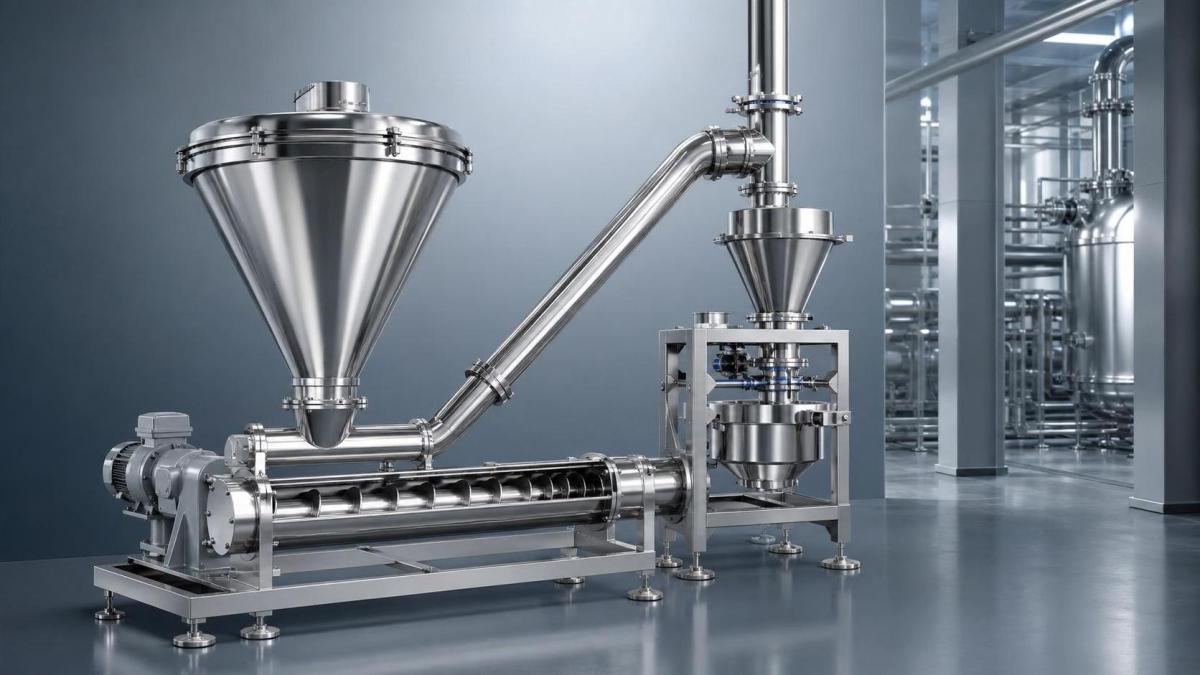
In practical terms, stainless steel feed planning means deciding how bulk or semi-finished material enters, moves, and exits a process without creating dead zones, carryover, segregation, or cleaning bottlenecks.
This applies to compound feed plants, premix lines, extract handling, API intermediates, fish feed systems, and ingredient dosing skids. The materials differ, but the design questions often look similar.
The hygiene question starts with geometry
Surface cleanliness is important, but geometry usually decides whether sanitation is routine or constantly delayed. Flat ledges, sharp internal corners, and poorly drained transitions become collection points for dust, residue, and moisture.
In stainless steel feed planning, smooth product contact paths matter more than polished appearance alone. Weld quality, joint design, access doors, inspection points, and drainability all affect how easily residue can be removed.
Details that influence hygienic performance
- Continuous welds on product-contact surfaces reduce entrapment points.
- Appropriate internal angles support discharge and washdown.
- Removable covers and access panels shorten inspection time.
- Drain orientation helps avoid standing liquid after cleaning.
- Surface finish should match the product’s sensitivity and cleaning method.
The relevant standard can vary by facility. A dry feed line has different expectations from a biochemical blending system, yet both benefit from designs that are easy to inspect and difficult to foul.
Flow behavior is where design assumptions are tested
Many feed problems appear after commissioning because material behavior was simplified during specification. Powders bridge. Pellets fracture. Fine ingredients segregate. Oily blends coat walls and alter discharge rates.
Good stainless steel feed planning accounts for bulk density, particle size distribution, moisture sensitivity, angle of repose, and expected temperature range. It also considers whether the line will process one formulation or many.
Stable flow is not only about avoiding stoppages. It directly affects feeder calibration, residence time, mixing ratios, and the predictability of the next unit operation.
Typical flow risks by operating condition
Batch accuracy depends on the whole path
Projects often treat batch accuracy as a controls issue. Instrumentation matters, but the mechanical path often decides whether the measured dose matches the actual delivered dose.
In stainless steel feed planning, inconsistent refill patterns, residue retention, vibration transfer, and uncontrolled discharge timing can all distort batch results. The error may be small in one cycle and significant across long production runs.
This is especially relevant where trace additives, nutraceutical ingredients, or active intermediates are involved. The tighter the formulation window, the less tolerance there is for mechanical uncertainty.
Where accuracy is usually lost
- Residual material from the previous batch remains in corners or spouts.
- Feed screws or valves respond differently as product properties shift.
- Weigh vessels receive irregular infeed because upstream flow is unstable.
- Cleaning interventions change feeder settings without formal recalibration.
Batch accuracy improves when equipment, controls, cleaning method, and operating sequence are specified as one system rather than four separate work packages.
Material grade and finish should follow the process, not habit
Not every stainless steel selection needs the same corrosion margin or finish quality. Using 304, 316, or a more specialized grade without linking that choice to chemistry, moisture, chloride exposure, and cleaning agents creates cost or durability problems later.
For dry agricultural ingredients, the main concern may be wear, dust retention, and washdown frequency. For bio-extracts or fine chemicals, aggressive cleaning media and stricter cleanliness targets can justify a different specification.
This is where ACC’s cross-sector perspective is useful. Feed and grain processing, aquaculture nutrition, and chemical handling increasingly share the same question: which stainless steel feed planning choices support both compliance and life-cycle performance?
Layout decisions shape uptime more than expected
A clean drawing can still hide a difficult operating line. If maintenance access is blocked, inspection points are too high, or changeover paths cross sanitation zones, the system will consume extra labor and lose availability.
Good stainless steel feed planning places equal weight on footprint efficiency and serviceability. That includes room for disassembly, predictable cleaning access, isolation of sensitive ingredients, and safe retrieval of retained product.
The best layouts also reduce undocumented operator workarounds. Those workarounds often become the hidden source of contamination, misfeeds, or unexplained batch variation.
How to evaluate a system before approval
A specification review is more useful when it moves beyond capacity numbers and steel grade labels. The stronger questions usually concern behavior, access, and recovery after real production interruptions.
Useful review questions
- Can every product-contact area be inspected without major dismantling?
- What material tests support the assumed flow pattern?
- How much residual product remains after normal discharge?
- Does the cleaning method match the selected finish and gasket design?
- What happens to batch accuracy during startup, shutdown, and product changeover?
- Which components need the highest sanitation standard, and which do not?
These questions help compare proposals that appear similar on paper but differ sharply in long-term operating quality.
A practical next step for current projects
The most effective approach is to review stainless steel feed planning as a combined hygiene, flow, and accuracy exercise. Looking at only one dimension tends to shift cost or risk somewhere else in the line.
Start with the material profile, expected cleaning regime, and acceptable batch deviation. Then test the proposed geometry, finish, access, and transfer method against those conditions before final approval.
Where the process touches regulated ingredients or high-value formulations, a short validation checklist can prevent expensive redesign later. That is usually the point where stainless steel feed planning stops being a hardware discussion and becomes a process reliability decision.
Related Intelligence
- Commercial Feed PelletHow to Build a Sanitary Feed Production Plan That Reduces Cross-ContaminationSanitary feed production planning: reduce cross-contamination with smarter sequencing, validated flushing, material segregation, and traceable sanitation controls.
- Commercial Feed PelletFeed Pellet Mill Sourcing: How to Vet Suppliers for Capacity, Quality, and SupportFeed pellet mill sourcing made smarter: vet suppliers for proven capacity, pellet quality, lifecycle cost, factory controls, commissioning, and reliable after-sales support.
- Commercial Feed PelletFeed Production System Price Trends: Cost Drivers and Budgeting for New LinesFeed production systems price trend insights: compare cost drivers, automation, utilities, compliance, and total ownership costs to budget smarter for new feed lines.
The Morning Broadsheet
Daily chemical briefings, market shifts, and peer-reviewed summaries delivered to your terminal.
