

The Authority in Global Agricultural Chemistry & Bio-Resources
How to Evaluate Aquaculture Technology Services for RAS Projects: Key Criteria and Red Flags
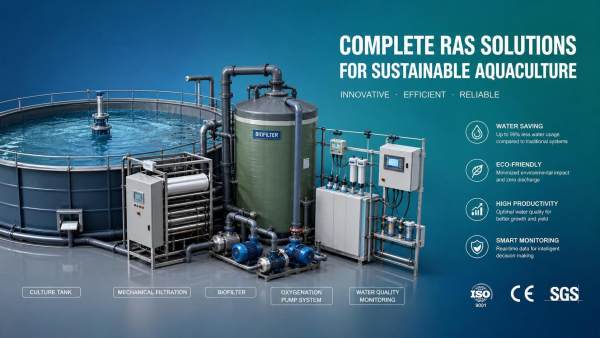
Evaluating aquaculture technology services for a recirculating aquaculture system project is rarely a matter of comparing brochures. In RAS, biological stability, mechanical reliability, water treatment performance, and regulatory discipline are tightly linked. A provider may look strong on paper, yet still leave critical gaps in oxygen management, solids removal, biofiltration design, or commissioning support.
That is why this topic carries weight across the broader primary industries landscape. As AgriChem Chronicle regularly observes in regulated supply chains, technical procurement succeeds when performance claims can be verified, operating assumptions are transparent, and support remains credible after installation. The same discipline that governs API sourcing or feed processing equipment now applies to aquaculture technology services for commercial RAS facilities.
The practical question is simple: which service partner can design, integrate, and support a system that performs under real production conditions rather than under idealized sales assumptions? The answer usually appears in the details of engineering, data quality, compliance readiness, and accountability.
What aquaculture technology services should cover in a RAS project
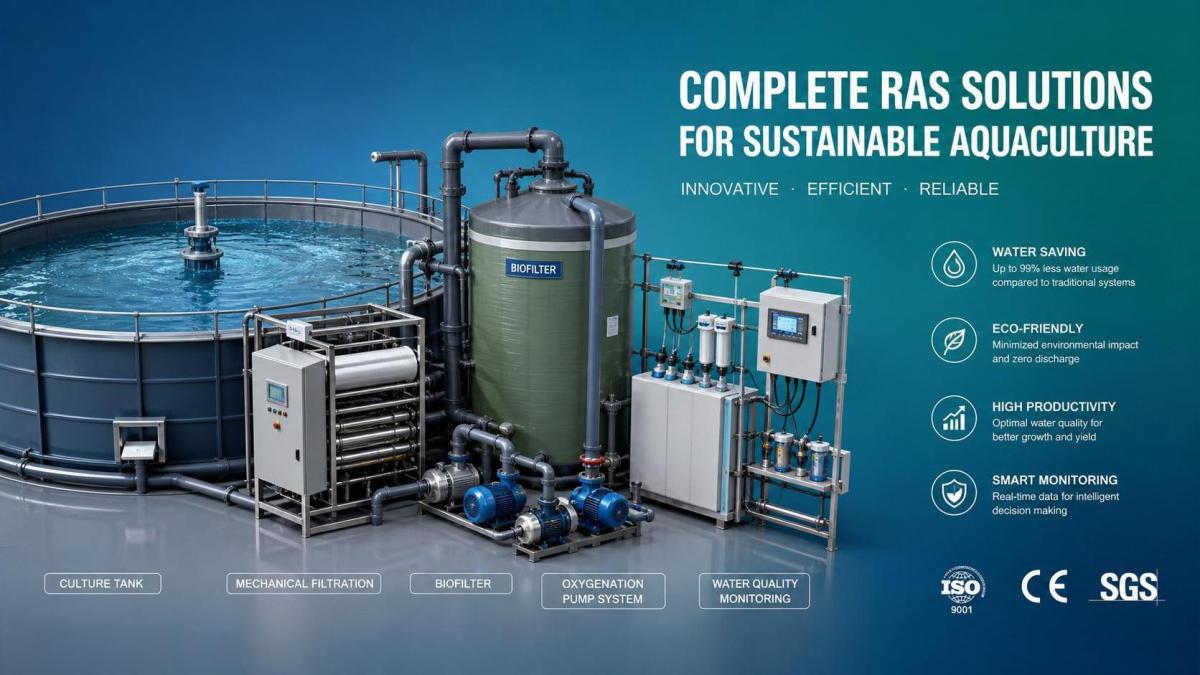
In this context, aquaculture technology services go beyond equipment supply. They usually include process design, specification of treatment loops, automation logic, installation guidance, startup protocols, biological ramp-up planning, and operator training.
Some providers focus on one section, such as filtration or oxygenation. Others offer full integration. The distinction matters because many RAS failures happen at the interfaces between subsystems rather than within a single machine.
A complete evaluation should therefore look at the provider’s ability to manage interactions among fish biology, hydraulics, water chemistry, control systems, and maintenance routines. If those disciplines are treated separately, operational risk usually rises.
Why the market is paying closer attention
RAS projects attract interest because they promise controlled production, lower water exchange, geographic flexibility, and stronger biosecurity. Yet they also involve high capex, energy sensitivity, and narrow tolerance margins.
Small design errors can trigger large cost consequences. Undersized pumps, weak degassing, poor sludge handling, or unstable control logic often show up only after stocking density increases. At that stage, corrective work is expensive.
This is also where cross-sector discipline becomes relevant. In industries covered by ACC, buyers increasingly demand traceable evidence, validated process logic, and compliance alignment before contracts move ahead. Aquaculture technology services are now being judged by similar standards.
Engineering depth is the first filter
A serious provider should be able to explain not only what equipment is included, but why each sizing decision was made. Hydraulic retention time, turnover rates, feed load assumptions, TAN conversion targets, and redundancy philosophy should be explicit.
It is worth checking whether the design basis reflects the intended species, growth stage, biomass curve, feeding profile, salinity, and local climate. Generic calculations often hide a mismatch between conceptual design and operating reality.
The best aquaculture technology services also show integration discipline. Sensor placement, alarm thresholds, bypass arrangements, cleaning procedures, and backup power strategy should already be embedded in the engineering narrative.
Questions that reveal technical maturity
- What feed conversion and biomass assumptions drive the treatment capacity?
- How are peak solids loads and abnormal operating events handled?
- Which subsystem has no backup, and what is the risk response plan?
- What commissioning sequence is required before full stocking?
- Which parameters are guaranteed, and under what operating conditions?
Biological performance data matters more than polished case studies
Many proposals highlight installed projects, but fewer provide comparable biological outcomes. Survival rate, growth consistency, water quality stability, disease events, treatment interventions, and downtime records tell a more useful story.
Evidence becomes more credible when the provider shares production context. Species, stocking density, water source, feed type, climatic conditions, and management model should be visible. Without that context, benchmark claims are difficult to interpret.
Aquaculture technology services should also be assessed across time, not only at startup. A system that performs during acceptance testing may still struggle after months of biofouling, operator turnover, or seasonal temperature changes.
Compliance and documentation are not secondary issues
RAS facilities operate inside a wider framework of discharge rules, food safety expectations, worker safety requirements, and equipment certification. In some regions, environmental permits and water treatment documentation become critical before expansion or financing.
Strong aquaculture technology services include document control, traceable specifications, commissioning records, and operating manuals that reflect the installed system rather than generic templates. This is especially important when lenders, insurers, or regulators request evidence.
A provider that understands regulated industrial sectors will usually be more disciplined here. That mindset aligns with the ACC editorial perspective: technical credibility is strengthened when process claims, compliance references, and supply chain records can be audited.
Service quality shows up after handover
Post-installation support is often underestimated during evaluation. Yet RAS performance depends heavily on startup sequencing, operator response, microbial stabilization, and practical troubleshooting during the first production cycles.
The most dependable aquaculture technology services define who will respond, within what timeframe, and with which escalation path. Remote monitoring capability, spare parts planning, software access, and training refresh cycles should be addressed before contract award.
Support arrangements also need operational realism. A provider with excellent design talent but weak field service coverage may become a liability during a sensor failure, oxygen disruption, or biofilter instability event.
Support features worth comparing
- Commissioning presence during biological ramp-up
- Structured operator training tied to actual control logic
- Documented spare parts list for critical items
- Remote diagnostics for automation and water quality alerts
- Clear ownership of warranty boundaries across vendors
Common red flags in aquaculture technology services
Certain patterns tend to appear before underperformance appears. Some are easy to miss because they are hidden behind aggressive timelines or highly polished presentations.
- Performance claims without species-specific operating data.
- Design drawings that remain conceptual late in the bid stage.
- No clear explanation of redundancy for oxygen, pumping, or controls.
- Commissioning scope left vague or shifted to third parties.
- Training described broadly, without curriculum or competency checks.
- Reference sites that cannot be independently verified.
- Warranty language that excludes process performance in practice.
Another red flag is excessive focus on hardware while process responsibility remains unclear. RAS outcomes depend on system behavior. If nobody owns the integrated result, disputes tend to emerge once performance drifts.
A practical way to compare providers
A useful evaluation framework combines technical scoring with scenario testing. Instead of asking who offers the lowest capex, compare how each proposal responds to realistic operating pressure.
Review normal production conditions, then test stress cases: power interruption, sensor drift, delayed solids removal, feed surge, disease containment, and service response delays. The quality of aquaculture technology services becomes clearer under those conditions.
Commercial terms should also be read alongside technical assumptions. A lower upfront offer may depend on optimistic growth curves, limited site support, or exclusions around process responsibility. Total operating risk is the more relevant comparison point.
Useful comparison dimensions
Where to focus next
The most effective next step is to build a short evaluation matrix before detailed negotiations begin. Include engineering assumptions, biological evidence, compliance documentation, service response, reference quality, and ownership of integrated performance.
From there, ask each provider to respond against the same operating scenario and documentation standard. That creates a cleaner comparison and reduces the influence of presentation style.
In a sector where technical errors become operational losses very quickly, disciplined review is not administrative overhead. It is part of system design. The providers of aquaculture technology services that deserve serious consideration are usually the ones willing to make their assumptions, data, and responsibilities fully visible.
Related Intelligence
- RAS SystemsSustainable Aquaculture Practices That Cut Feed Waste and Protect Fish Farm Water QualitySustainable aquaculture for fish farms: reduce feed waste, protect water quality, and build resilient, efficient systems with practical strategies.
- RAS SystemsDrum Filter System Price: How Flow Rate, Micron Rating, and Automation Affect CostDrum filter system price depends on flow rate, micron rating, automation, materials, and lifecycle costs. Compare quotes confidently and choose the right system.
- RAS SystemsHow to Specify Large-Scale Fish Farming Equipment for High-Output RAS ProjectsLarge scale fish farming equipment guide for high-output RAS projects—specify tanks, filtration, oxygen, automation, and redundancy for reliable growth.
The Morning Broadsheet
Daily chemical briefings, market shifts, and peer-reviewed summaries delivered to your terminal.
