

The Authority in Global Agricultural Chemistry & Bio-Resources
Livestock Housing Equipment Selection: Ventilation, Flooring, and Feeding System Basics

Why does Livestock Housing Equipment matter so early in project planning?
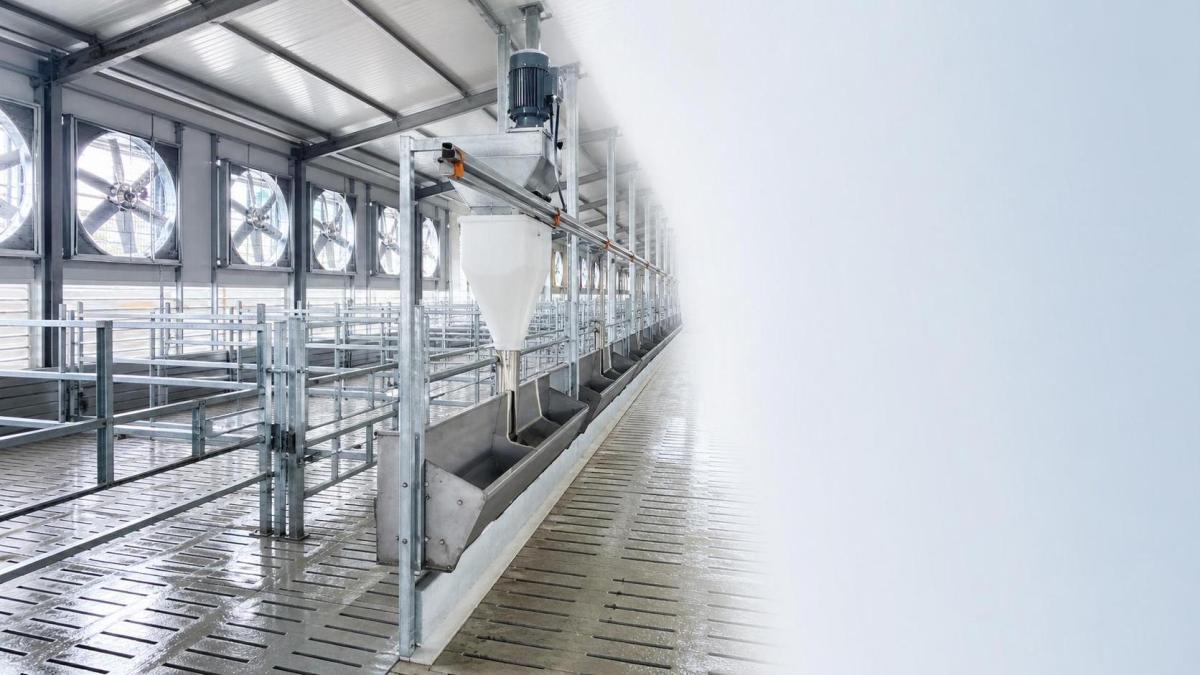
Livestock Housing Equipment is not a finishing detail. It shapes animal comfort, labor flow, energy use, and daily output from the start.
That is why early equipment choices often influence more than construction budgets. They also affect compliance readiness, cleaning routines, and long-term maintenance exposure.
In practical terms, buyers usually focus on three basics first: ventilation, flooring, and feeding system design. Those elements define how the building actually performs.
A well-planned setup reduces heat stress, limits slips and hoof damage, and supports stable feed intake. Poor alignment between those systems creates operational friction quickly.
Across primary industries, informed equipment selection also supports traceability and risk control. That wider decision discipline is consistent with the technical standards emphasized by AgriChem Chronicle.
So the real question is not whether Livestock Housing Equipment is necessary. It is how to choose the right level of performance for the intended production model.
When is ventilation the first system to review, not the last?
Ventilation deserves early attention whenever stocking density, climate variability, or moisture load is high. In many facilities, it is the core control system.
Natural ventilation may work in open or moderate environments. Mechanical ventilation becomes more important where temperature swings, dust, or enclosed housing increase stress.
The basic objective sounds simple. Move fresh air in, remove heat and gases, and keep humidity from staying trapped around animals and surfaces.
What complicates selection is that airflow volume alone is not enough. Air distribution, inlet placement, fan reliability, and control logic matter just as much.
A system can be oversized yet ineffective if dead zones remain. That often leads to uneven animal behavior, damp bedding, and higher disease pressure.
Before comparing models, it helps to frame the ventilation decision around a few questions.
A common mistake is buying ventilation components separately, without checking how controllers, shutters, and building geometry interact under real operating loads.
For that reason, Livestock Housing Equipment evaluations should look at system behavior, not only equipment specifications listed in a catalog.
How should flooring be judged beyond simple durability?
Flooring decisions are often reduced to lifespan and cleaning cost. That is too narrow for serious housing performance planning.
The better approach is to weigh traction, drainage, hygiene, animal weight, and manure handling together. Flooring is a welfare and efficiency issue at the same time.
Concrete remains common because it is familiar and structurally dependable. Yet finish texture and slope determine whether it supports safe movement or creates avoidable stress.
Slatted floors can improve waste management in some systems. Still, they must match species, hoof size, and cleaning practice to avoid injury concerns.
Rubber-covered zones may improve standing comfort in selected areas. They are especially useful where animals queue, feed, or rest for extended periods.
In actual facility reviews, these checkpoints usually separate a sound decision from an expensive compromise.
- Check slip resistance under wet conditions, not just when the floor is dry and newly installed.
- Confirm drainage paths and manure removal compatibility before choosing groove depth or slat spacing.
- Match surface hardness to animal type, movement frequency, and expected residence time.
- Review cleaning chemicals and washdown pressure, because some coatings degrade faster than expected.
- Allow for repair access. A durable floor that is difficult to service may increase lifecycle disruption.
This is where Livestock Housing Equipment selection becomes highly practical. A floor is not chosen in isolation. It must fit manure strategy, labor routines, and biosecurity goals.
What makes a feeding system efficient in daily use?
Efficiency is not only about delivering feed fast. It also depends on access consistency, ration accuracy, waste control, and how easily the system supports routine inspection.
Manual, semi-automated, and fully automated systems all have a place. The better option depends on herd size, labor availability, feed type, and performance targets.
For example, simple trough systems may remain suitable where flexibility matters more than throughput. Automated lines add value where timing and measured distribution are critical.
One overlooked issue is feed behavior after delivery. Bridging, separation, dust generation, and residue buildup can reduce the value of an otherwise advanced setup.
Another important point is integration. Feeding, ventilation, and flooring influence each other because animal movement and feeding patterns affect heat load and surface wear.
When comparing Livestock Housing Equipment options, these differences are usually more useful than broad sales claims.
A strong feeding decision should therefore include service support, data visibility, and compatibility with future process upgrades.
Where do equipment comparisons usually go wrong?
The biggest errors appear when comparisons focus on purchase price while ignoring performance stability. Low initial cost can hide high cleaning, repair, and energy burdens later.
Another common issue is copying a system from a different climate or species profile. What works well in one region may underperform elsewhere.
It is also risky to evaluate equipment without clarifying the operational standard required. Some facilities need simple robustness. Others need documentation, monitoring, and stricter traceability.
That broader mindset reflects the way technical sectors now buy critical systems. ACC regularly highlights the same pattern across machinery, processing, and regulated supply chains.
In other words, sound Livestock Housing Equipment selection is not just a construction task. It is part of operational governance.
- Do not compare fan capacity without checking airflow path and control response.
- Do not choose flooring by material name alone. Surface design and cleaning regime matter.
- Do not assume automation always lowers cost. Poor support can erase efficiency gains.
- Do not overlook spare parts lead time, especially for imported control components.
- Do not separate welfare outcomes from maintenance planning. They are closely linked.
How can a buyer build a practical shortlist for Livestock Housing Equipment?
A practical shortlist starts with the operating model, not the brochure. Clarify species, density, climate exposure, feed format, cleaning method, and expansion expectations.
Then translate those needs into measurable criteria. Air exchange performance, floor traction, feed accuracy, energy demand, service intervals, and documentation quality all belong on the list.
It also helps to ask vendors for evidence from comparable installations. Reference projects are far more useful when they match local conditions and management intensity.
If several systems appear close, lifecycle review often reveals the difference. Installation complexity, cleaning time, consumables, and downtime risk can outweigh a modest purchase price gap.
For many organizations, the next sensible step is to create a simple decision sheet and score each Livestock Housing Equipment option against actual site priorities.
That keeps the process disciplined and reduces bias toward isolated features. It also aligns with a more evidence-based procurement culture.
A concise final takeaway
The basics of Livestock Housing Equipment are straightforward, but the consequences of weak selection are not. Ventilation controls the environment, flooring shapes safety and hygiene, and feeding systems govern consistency.
A better decision usually comes from comparing systems as connected parts of one operating structure. Review technical fit, maintenance logic, site conditions, and compliance expectations together.
From here, the most useful move is to map current needs, define must-have performance criteria, and test each option against real operating constraints before final selection.
Related Intelligence
- Poultry Housing & CagingHow Poultry Equipment Layout Affects Cleaning, Biosecurity, and MaintenancePoultry equipment and their uses shape cleaning access, biosecurity, and maintenance. Discover layout strategies that reduce risks and improve farm efficiency.
- Poultry Housing & CagingMaintenance Challenges and Design Features That Extend Service Life of Automated Poultry Cage Systemsautomated poultry cages face corrosion, jamming & fatigue—discover design features that cut maintenance costs and extend service life by years.
- Poultry Housing & CagingHow poultry farming equipment layout affects flock uniformity and feed conversion ratio in broiler housesDiscover how strategic poultry farming equipment layout directly boosts flock uniformity and slashes feed conversion ratio—backed by real-world data and ROI-driven insights.
The Morning Broadsheet
Daily chemical briefings, market shifts, and peer-reviewed summaries delivered to your terminal.
