

The Authority in Global Agricultural Chemistry & Bio-Resources
FDA Rule Takes Effect for Botanical Extract Imports
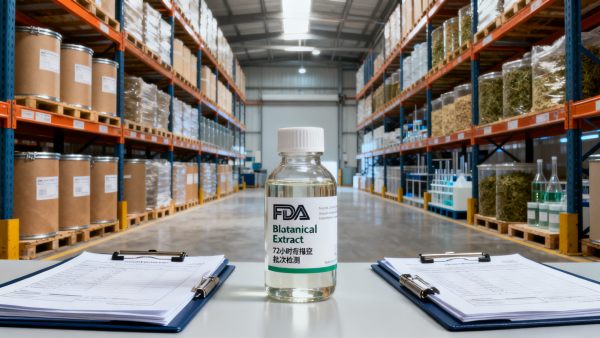
On June 19, 2026, the U.S. FDA formally began enforcing a new pre-arrival review rule for botanical extract imports, shifting compliance checks further forward in the import process. The change matters not only to importers, but also to exporters, testing partners, procurement teams, and supply chain operators because filing timing, batch documentation, and customs clearance risk are now more tightly linked before cargo reaches port.
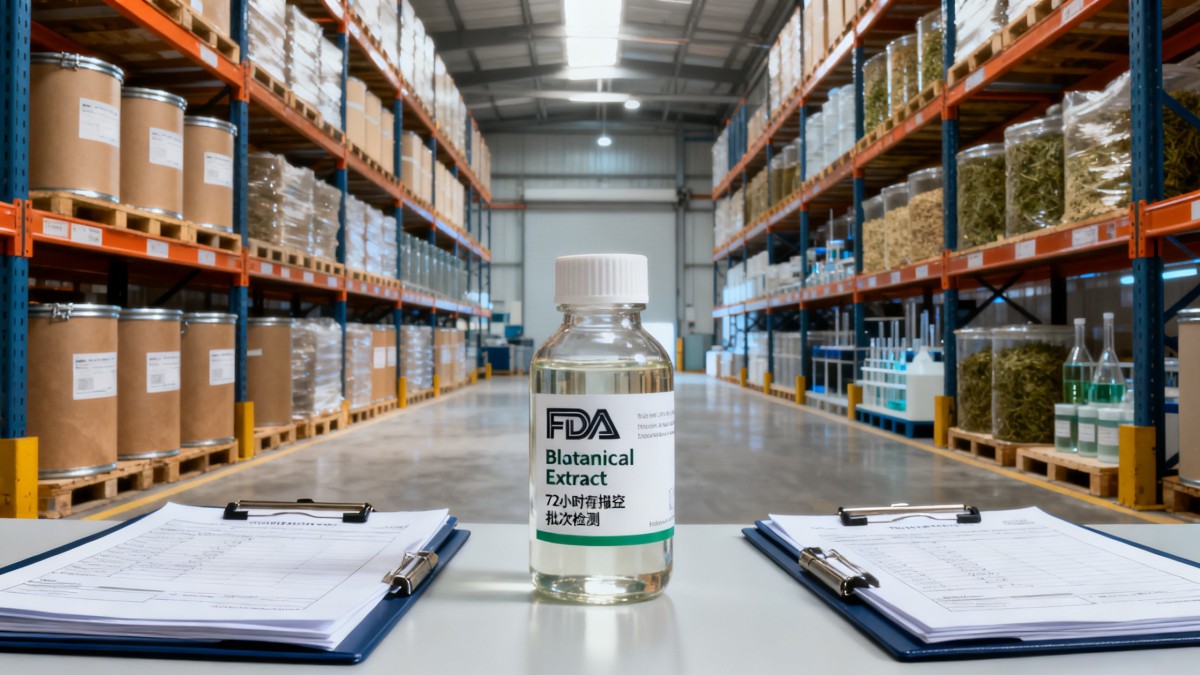
What the new filing requirement now demands
According to the provided event information, the FDA implemented the new rule on June 19, 2026 for Botanical Extracts imports. Under this requirement, importers must submit a full ingredient profile through the FDA electronic system at least 72 hours before cargo arrival.
The same submission must also include batch testing reports covering heavy metals and pesticide residues. Where the declaration is not compliant, the shipment may be automatically detained and subjected to a second round of sampling and testing.
The provided information also states that the average customs clearance delay under such non-compliant circumstances is 5 to 7 working days. The rule directly affects supplier access procedures for exporters in major supplying countries including China, India, and Vietnam.
Where the pressure shifts across the trade chain
Export-side documentation moves earlier
Exporters of botanical extracts may be affected because the compliance burden is no longer limited to shipment dispatch or port inspection stages. From an industry perspective, what deserves closer attention is the need to prepare complete ingredient data and batch test reports early enough for the importer to meet the 72-hour filing deadline.
This means export documentation, batch release timing, and coordination with the importing side may become more sensitive points in delivery planning. Supplier onboarding requirements may also tighten where buyers ask for more complete pre-shipment compliance files.
Importers face greater pre-arrival filing exposure
Importers are the direct filing party under the information provided, so their operational risk is concentrated in pre-arrival submission accuracy and timing. If ingredient profiles or test records are incomplete, the consequence is not only a paperwork issue but also a clearance disruption tied to automatic detention and possible secondary inspection.
Analysis shows that this can affect arrival scheduling, inventory replenishment, and communication with upstream suppliers, especially where shipments rely on batch-specific supporting records.
Testing and compliance support become more operationally relevant
Testing service providers and compliance support teams may also feel the impact because heavy metal and pesticide residue reports are explicitly required as part of the submission package. Observably, the practical issue is not only whether testing exists, but whether reports can be matched clearly to the relevant batch and delivered in time for filing.
For buyers and procurement teams, this may translate into closer review of supplier documentation readiness, report consistency, and document handoff timing before shipment arrival.
Logistics and delivery commitments may need tighter buffers
Supply chain service providers and delivery planners may be affected where customs timing assumptions were previously based on fewer pre-arrival data requirements. The stated 5 to 7 working day delay for non-compliant filings suggests that documentation quality can now influence delivery reliability more directly.
From a practical standpoint, parties involved in booking, receiving, and downstream distribution may need to pay closer attention to whether submission files are complete before cargo reaches the port of arrival.
What companies should watch in current execution
Check whether batch files are submission-ready
Companies should closely review whether each shipment can be supported by a full ingredient profile together with batch reports for heavy metals and pesticide residues. Where supporting documents are created late or stored across different parties, the filing deadline may become harder to meet.
Review supplier access and document handoff procedures
For businesses sourcing from affected exporting countries, it is worth checking whether supplier qualification procedures now need stronger document-readiness requirements. Analysis shows that access to the U.S. market may increasingly depend on whether suppliers can provide consistent batch-level files in a format usable by the importer before arrival.
Reassess purchasing and delivery timelines
Procurement and fulfillment teams should watch how the 72-hour lead time interacts with shipment schedules and internal approval flows. Where cargo planning is tight, even small delays in laboratory reports or ingredient documentation could create downstream pressure on delivery commitments.
Continue tracking implementation language and market practice
The provided information confirms the rule and its main filing requirements, but it does not provide fuller execution detail. It is therefore more appropriate to monitor how filing expectations, documentation review standards, and transaction documents are reflected in ongoing trade practice rather than assume every operational detail is already settled.
Why this looks like an execution signal, not just a headline
Observably, this development is best understood as an implemented compliance change rather than a policy discussion stage, because the rule is described as formally taking effect on June 19, 2026 and includes a defined filing window and stated consequences for non-compliance.
At the same time, analysis shows that the market still needs to watch how consistently the requirement is applied in daily operations. The most relevant follow-up questions are likely to center on execution standards, document acceptance practice, and how buyers and suppliers adjust qualification and shipment release procedures in response.
How to read the current market impact
At this stage, the event is more appropriately understood as a concrete tightening of pre-arrival compliance for botanical extract imports into the United States. Its significance lies less in abstract regulatory language and more in the fact that ingredient disclosure, batch testing, and customs timing are now more directly connected.
A neutral reading is that the rule has already created a real procedural threshold for affected trade flows, while its longer-term commercial impact still depends on how companies adapt documentation, procurement, and delivery coordination in practice.
Basis of this article and what still needs verification
This article is based on the user-provided news title, event date, and event summary. For developments of this kind, relevant source types typically include official regulatory notices, customs or trade authority releases, industry association updates, standards-related documents, and reporting by established professional media.
No specific official source link was provided in the input, so the underlying official publication path still requires further verification. Observably, the areas that merit continued follow-up include any further implementation detail, compliance interpretation, tender or purchasing document changes, market feedback, and how affected companies carry out the rule in daily operations.
Related Intelligence
- Botanical ExtractsChoosing Botanical Extracts for Pharmaceuticals: Potency, Purity, and ComplianceBotanical extracts for pharmaceuticals: learn how to assess potency, purity, traceability, and GMP compliance for confident, regulatory-ready supplier selection.
- Botanical ExtractsBotanical Extracts Market Outlook: Supply, Pricing, and Buyer RisksBotanical extracts market insights on supply, pricing, quality control, and buyer risks—compare suppliers confidently and protect your sourcing strategy.
- Botanical ExtractsEurope Botanical Extracts Market: Key Growth Drivers, Risks, and OpportunitiesEurope botanical extracts market insights: explore growth drivers, regulatory risks, supply-chain challenges, and scalable opportunities for compliant, high-value ingredients.
The Morning Broadsheet
Daily chemical briefings, market shifts, and peer-reviewed summaries delivered to your terminal.
