

The Authority in Global Agricultural Chemistry & Bio-Resources
How to Choose Poultry Farm Equipment for Better Housing Efficiency
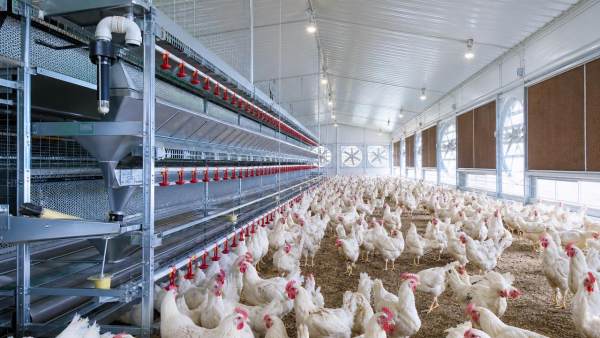
Selecting the right Poultry Farm Equipment is a technical decision that directly affects housing efficiency, bird welfare, energy consumption, and long-term operating costs.
The real challenge is not comparing one machine against another. It is understanding how systems interact inside a modern poultry house.
Ventilation, feeding, watering, lighting, climate control, and manure handling must work as one coordinated production environment.
How does Poultry Farm Equipment improve housing efficiency?
Poultry Farm Equipment improves housing efficiency by reducing wasted space, labor, feed, water, heat, and electrical energy.
Efficient housing is not only about fitting more birds into a building. It is about stable conditions with predictable performance.
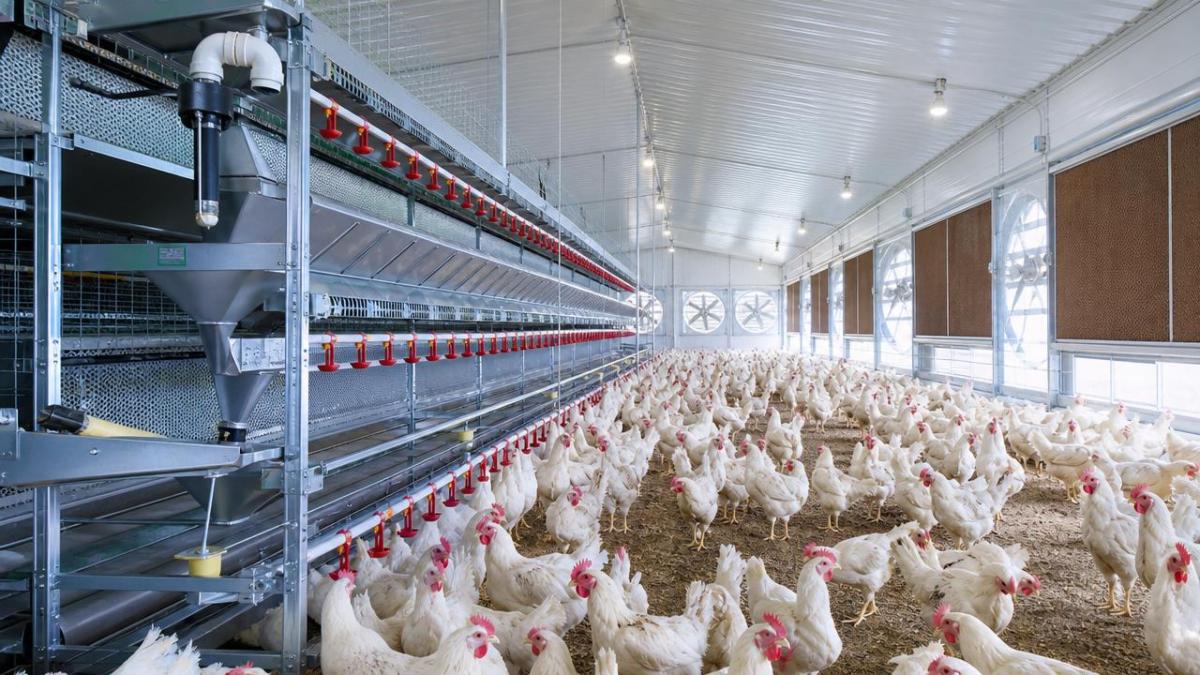
A well-designed equipment layout supports uniform bird access to feed, water, air, and light across the entire house.
Poor layout creates stress zones. Birds near fans, heaters, or crowded feeding points may show uneven weight gain.
Modern Poultry Farm Equipment should therefore be evaluated as a complete housing system, not as isolated components.
Key efficiency indicators to check
- Feed conversion stability across different house zones.
- Uniform water access without leakage or pressure fluctuation.
- Temperature and humidity consistency during seasonal changes.
- Air quality control, including ammonia and dust reduction.
- Labor hours required for daily inspection and cleaning.
When these indicators improve together, Poultry Farm Equipment contributes directly to healthier flocks and stronger operational margins.
What core systems should be included in Poultry Farm Equipment?
A complete Poultry Farm Equipment package usually includes feeding, drinking, ventilation, climate control, lighting, housing structures, and waste management.
Each system has a specific function, but weak performance in one area can reduce the value of the others.
Feeding systems
Automatic pan feeding or chain feeding systems reduce manual distribution errors and support consistent feed availability.
For broilers, feeding equipment should match growth stages, bird density, and feed particle characteristics.
For layers, the equipment must support stable intake without excessive competition or feed separation.
Drinking systems
Nipple drinkers, pressure regulators, filters, and flushing lines are central to water hygiene and bird performance.
The right Poultry Farm Equipment should prevent leakage while allowing birds to drink comfortably at different ages.
Ventilation and climate systems
Fans, air inlets, cooling pads, heaters, sensors, and controllers determine how the house responds to external weather.
Climate control is especially important in high-density housing, where heat, moisture, and ammonia can rise quickly.
Lighting and control systems
Lighting programs influence feeding behavior, rest cycles, growth, laying performance, and bird calmness.
Integrated controllers help synchronize ventilation, lighting, feeding, and alarms within one operating platform.
How should different poultry house types guide equipment selection?
Poultry Farm Equipment must fit the production model, building design, local climate, and biosecurity strategy.
Equipment that performs well in one poultry house may be inefficient in another with different airflow or stocking density.
Broiler houses
Broiler production needs fast growth, uniform body weight, and strong litter condition management.
The most important Poultry Farm Equipment factors include feed line height adjustment, ventilation response, and water line reliability.
Because broilers grow rapidly, equipment should allow quick adjustment without excessive labor.
Layer houses
Layer operations require consistent egg production, clean egg collection, stable lighting, and efficient manure removal.
Cage systems, aviary systems, nest boxes, egg belts, and manure belts must be evaluated together.
The best Poultry Farm Equipment reduces egg breakage, improves hygiene, and supports inspection access.
Breeder houses
Breeder operations need stricter control over feeding, body weight, mating conditions, and nest management.
Separate male and female feeding systems may be required to maintain flock uniformity.
In this setting, Poultry Farm Equipment selection should prioritize precision, monitoring, and long-term durability.
What technical specifications matter most before purchase?
Technical specifications should be reviewed beyond catalog claims. Real performance depends on capacity, materials, controls, maintenance, and compatibility.
The most reliable Poultry Farm Equipment is measurable, serviceable, and suitable for the local production environment.
Capacity and scalability
Capacity should match bird numbers, growth cycles, and future expansion plans.
Undersized equipment causes competition, uneven performance, and operational stress during peak production periods.
Oversized equipment may waste energy, increase installation costs, and complicate control settings.
Material quality
Galvanized steel, corrosion-resistant plastics, stainless components, and UV-stable materials improve service life.
Poultry houses expose equipment to moisture, dust, manure gases, disinfectants, and frequent washing.
Weak materials may reduce hygiene and increase replacement frequency.
Automation and monitoring
Sensors and controllers should track temperature, humidity, static pressure, feed operation, water consumption, and alarm events.
Data helps detect leaks, fan failures, blocked lines, or abnormal bird behavior earlier.
Smart Poultry Farm Equipment is valuable only when alerts are accurate and maintenance teams can act quickly.
Which risks and mistakes should be avoided?
Many equipment failures start before installation. The root cause is often incomplete planning or poor compatibility.
Choosing Poultry Farm Equipment by lowest purchase price alone can increase lifetime cost substantially.
Common selection mistakes
- Ignoring local climate when sizing fans, heaters, or cooling pads.
- Using feeding lines that do not match bird age or stocking density.
- Selecting drinkers without considering water pressure and filtration quality.
- Installing automated systems without practical backup procedures.
- Forgetting spare parts availability and service response time.
Another risk is poor installation coordination. Even high-grade Poultry Farm Equipment can underperform if placement is inaccurate.
Air inlets, fans, brooders, feed lines, and drinker lines should be aligned with house geometry.
Biosecurity and compliance considerations
Equipment should support cleaning, disinfection, pest control, and movement separation inside the farm.
Smooth surfaces, removable parts, and accessible service points reduce contamination risk.
For export-oriented production, documentation, traceability, welfare standards, and environmental controls may influence equipment requirements.
How can cost, installation, and return on investment be evaluated?
The cost of Poultry Farm Equipment includes purchase price, shipping, installation, energy use, maintenance, downtime, and depreciation.
A practical comparison should use total cost of ownership rather than the initial quotation alone.
Cost factors to calculate
Installation planning should include site readiness, electrical capacity, water quality, drainage, ventilation openings, and worker training.
Before final approval, request drawings, equipment lists, warranty terms, and maintenance schedules.
Good Poultry Farm Equipment suppliers should provide layout guidance, commissioning support, and performance documentation.
ROI should be linked to measurable outcomes
Return on investment may come from lower mortality, better feed conversion, reduced labor, cleaner eggs, or lower energy consumption.
The strongest business case combines production data with maintenance and utility records.
This approach makes Poultry Farm Equipment decisions easier to defend over multiple production cycles.
FAQ: practical answers before choosing Poultry Farm Equipment
The best selection process begins with production goals, not product brochures.
Evaluate Poultry Farm Equipment as an integrated system supporting bird welfare, housing efficiency, and measurable farm performance.
Next, map the house layout, calculate system capacity, compare technical documentation, and verify service support before committing.
A disciplined review turns Poultry Farm Equipment from a capital expense into a long-term productivity platform.
Related Intelligence
- Poultry Housing & CagingHow Cage Specifications Affect Poultry Housing Costs in NigeriaLocally made poultry cage price in Nigeria: compare cage specifications, housing costs, durability, ventilation, manure systems, and installation factors for smarter poultry investment.
- Poultry Housing & CagingWhat Determines Battery Cage Prices in Nigeria Beyond Bird Capacity?Battery cage price in Nigeria depends on more than capacity. Compare steel, automation, logistics, and installation scope for a smarter poultry investment.
- Poultry Housing & CagingBuilding a Poultry Farm Equipment Solution Around Flock Size and LayoutPoultry farm equipment solution planning for flock size and layout—optimize feeding, water, ventilation, automation, and future expansion.
The Morning Broadsheet
Daily chemical briefings, market shifts, and peer-reviewed summaries delivered to your terminal.
