

The Authority in Global Agricultural Chemistry & Bio-Resources
Xiamen Policy Package Speeds Cold Chain Upgrades for Taiwan Produce
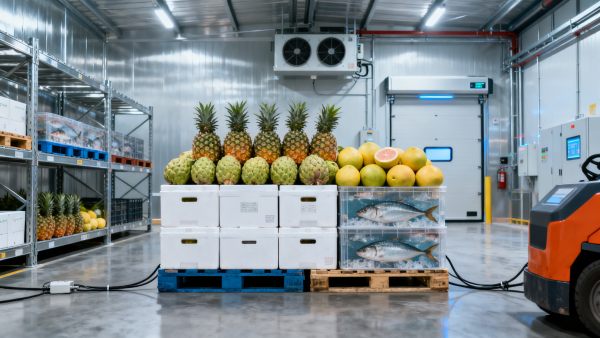
On June 13, 2026, a new batch of cross-strait cooperation measures was signed in Xiamen alongside bulk procurement arrangements for Taiwan specialty agricultural and fishery products including pineapple sugar apple and pomelo. For companies involved in produce trading, cold chain logistics, warehousing, and storage equipment supply, the key point is not only the purchase activity itself, but also the explicit requirement for cold chain transport and smart temperature-controlled storage aligned with FDA 21 CFR Part 117.
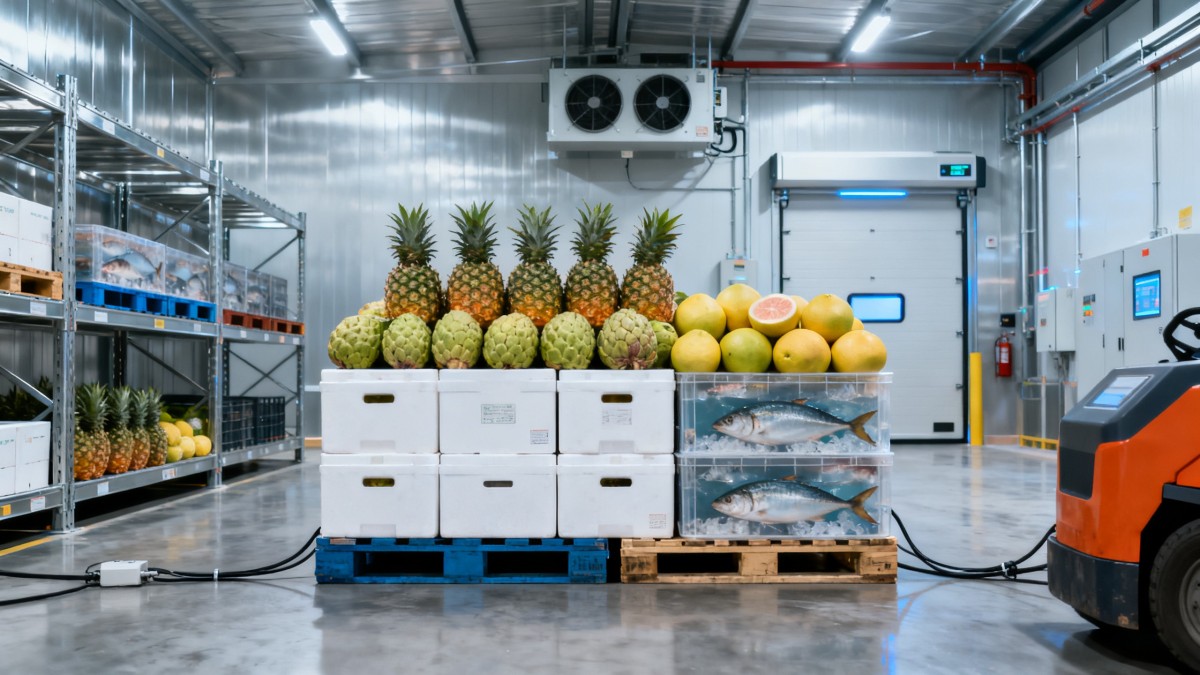
What the signed arrangements clearly confirm
According to the information provided, ten measures aimed at promoting cross-strait exchanges and cooperation were signed in Xiamen on June 13, 2026. At the same time, mainland companies moved forward with batch purchases of Taiwan specialty agricultural and fishery products, specifically including pineapple sugar apple and pomelo.
The agreement also clearly requires the use of cold chain transportation and intelligent temperature-controlled warehousing solutions that comply with FDA 21 CFR Part 117. Based on the event summary, this requirement is already feeding stronger export demand expectations for Grain Silos & Storage, Aeration & Water Tech, and Climate Control & Ventilation equipment.
Why the impact extends beyond produce procurement
Trade participants now face stricter logistics execution
From an industry perspective, direct trading companies may be affected first because the signed arrangements link procurement with specific cold chain and storage conditions. The practical impact is likely to appear in transport planning, storage matching, delivery coordination, and supplier selection rather than in procurement intent alone.
Supply chain service providers are drawn into compliance-focused delivery
Cold chain operators, warehouse managers, and related service providers may see closer scrutiny on whether their transport and storage solutions can align with FDA 21 CFR Part 117. What deserves closer attention is that service capability may increasingly be judged through temperature control, warehousing coordination, and execution consistency tied to the contracted product flow.
Equipment suppliers may see demand shift toward application-specific upgrades
For suppliers linked to Grain Silos & Storage, Aeration & Water Tech, and Climate Control & Ventilation, the event points to a more concrete use case: supporting the movement and storage of temperature-sensitive agricultural and fishery goods under defined handling requirements. Analysis shows that the impact is less about broad market expansion claims and more about whether equipment can fit real cold chain and smart warehousing scenarios.
What companies should monitor next
Separate policy language from operational requirements
Companies should pay attention to the difference between the signing of supportive measures and the actual operational conditions attached to procurement and delivery. In this case, the explicit logistics and warehousing requirement is a more immediate business variable than the headline policy wording alone.
Focus on product categories with immediate handling sensitivity
Businesses dealing with pineapple sugar apple, pomelo, and other similar agricultural or fishery products should closely review handling, storage, and transport arrangements. The core issue is whether existing cold chain capacity and smart temperature-controlled warehousing can support stable execution under the stated standard framework.
Review supplier documentation and fulfillment readiness
Observably, procurement teams and service providers should be prepared to check supplier qualifications, supporting documents, and delivery coordination details tied to cold chain performance. This is especially relevant where cross-regional procurement must be matched with warehousing and transport partners that can meet specified conditions.
Watch for follow-up wording and implementation signals
What deserves closer attention is whether later official or commercial communication adds more detail on implementation, product scope, or execution rules. For now, the event provides a clear signal on direction, but the depth of business impact still depends on how consistently these requirements are carried into subsequent transactions.
How this development is best understood for now
Analysis shows that this development should not be read merely as a fresh round of produce purchasing news. It also signals that cross-strait agricultural trade activity, at least in this case, is being tied more directly to standardized cold chain transport and intelligent warehousing expectations.
At the same time, it is more appropriate to understand this as a near-term operational signal with possible longer-term implications, rather than as proof of a fully formed structural shift. The requirement language is specific enough to matter now, but the broader market effect still needs continued observation.
A practical reading of the current signal
For the industry, the most meaningful takeaway is that procurement activity and logistics compliance are being presented together rather than separately. That makes this event relevant not only to produce traders, but also to warehousing operators, cold chain providers, and equipment exporters connected to storage, ventilation, and environmental control.
Current observation suggests this is best treated as a concrete implementation signal with expanding supply chain implications, while the scale and persistence of those implications remain subject to further verification.
Basis of this article and what still needs verification
This article is based on the user-provided news title, event date, and event summary. For developments of this kind, commonly relevant source types may include official announcements, company statements, industry association releases, authoritative media coverage, and standard-related documentation.
No specific official source link was provided in the input, so the exact documentary basis for the signed measures and follow-up implementation details still requires continued verification. Subsequent observation should focus on whether additional official wording, transaction details, or implementation guidance clarifies the scope of products, logistics requirements, and related equipment demand.
Related Intelligence
- Climate Control & VentilationWhat Variable Speed Insights Matter Most When Optimizing Greenhouse Ventilation?Variable speed insights reveal how fan speed affects humidity, airflow, stability, and energy use in greenhouse ventilation. Learn what to adjust first for smarter, more reliable climate control.
- Climate Control & VentilationPoultry Ventilation for Broilers: How to Balance Airflow, Temperature, and Litter QualityPoultry ventilation for broilers made practical: learn how to balance airflow, temperature, humidity, and litter quality to improve flock health, growth, and house performance.
- Climate Control & VentilationLivestock and Poultry Climate Control: Key Parameters for Stable House TemperatureLivestock and poultry climate control starts with the right parameters. Learn how temperature, humidity, airflow, and ventilation work together to keep house conditions stable and improve daily performance.
The Morning Broadsheet
Daily chemical briefings, market shifts, and peer-reviewed summaries delivered to your terminal.
