

The Authority in Global Agricultural Chemistry & Bio-Resources
Vietnam Tightens Pesticide Import Rules From June 15
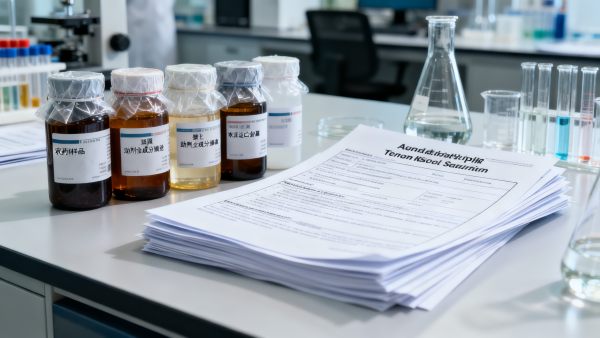
Vietnam’s latest pesticide rule change deserves close attention from exporters, import compliance teams, formulators, and registration-related service providers. On June 10, 2026, the Ministry of Agriculture and Rural Development (MARD) issued Circular No. 28/2026/TT-BNNPTNT, with effect from June 15, introducing a combined shift in market access requirements: a ban on 47 active ingredients and a mandatory full disclosure requirement for all adjuvant ingredients in imported agrochemical products. For companies shipping Agrochemicals to Vietnam, and for filings involving botanical pesticide formulations within Botanical Extracts, this is not just a product-screening issue but also a documentation and registration threshold change.
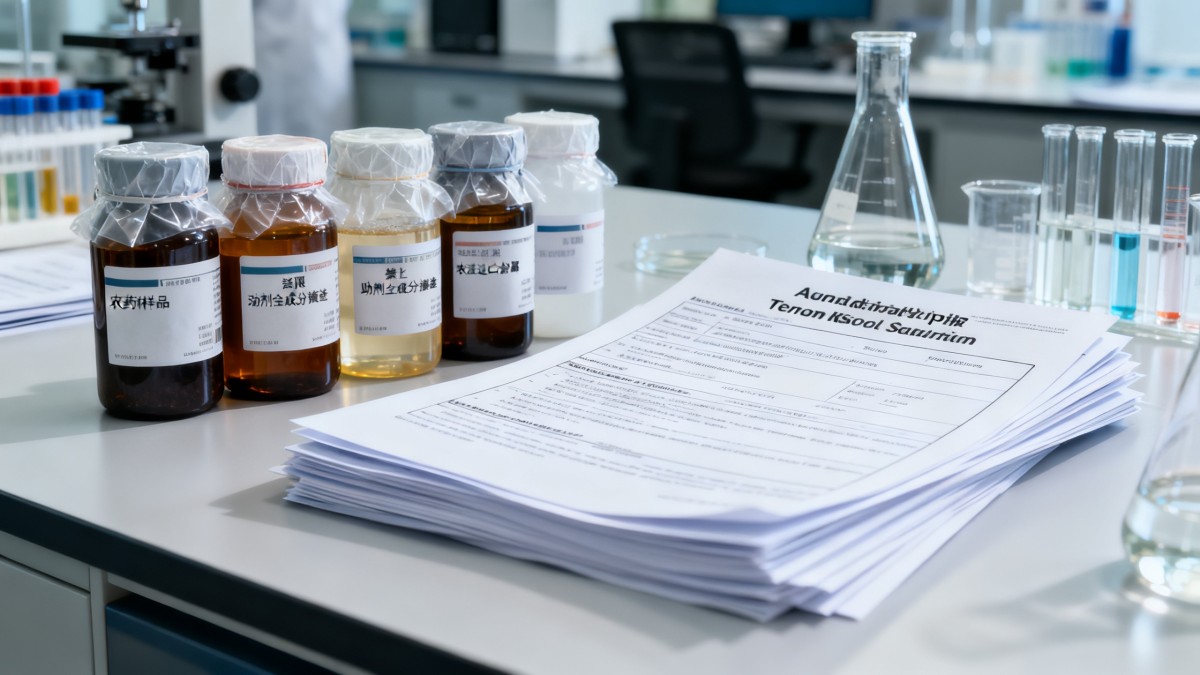
What the new circular changes in confirmed terms
The confirmed facts are limited but commercially significant. MARD released Circular No. 28/2026/TT-BNNPTNT on June 10, 2026. The circular takes effect on June 15. Under the notice, 47 active ingredients are placed under a ban, including chlorpyrifos and triazophos. In parallel, all imported agrochemical products are required to disclose the full composition of adjuvant ingredients. The change directly affects compliance requirements for Agrochemicals exported to Vietnam and also affects registration filings for plant-based pesticide formulations within Botanical Extracts.
Where pressure is likely to appear first in the supply chain
Exporters face a tighter product-entry screen
From an industry perspective, exporters are likely to feel the impact first because the rule change touches both product permissibility and filing transparency. Any product linked to one of the banned active ingredients may face immediate market access barriers, while products that remain permissible may still require more complete technical disclosure before shipment or registration can proceed. What deserves closer attention is whether export-ready dossiers, formulation sheets, and product declarations are already aligned with the new disclosure expectation.
Import and registration teams will need deeper formulation visibility
For importers and registration-related teams, the disclosure requirement raises the practical standard for technical documentation. The issue is no longer limited to naming the principal active substance; full adjuvant disclosure becomes a compliance matter in itself. This may affect dossier preparation, internal document review, and communications between overseas manufacturers and Vietnam-facing filing teams. For botanical pesticide formulations, the same shift may be especially relevant where supporting materials have historically focused more on plant-derived actives than on complete formulation transparency.
Procurement and contract management may need adjustment
Companies involved in sourcing, toll manufacturing, or private-label arrangements may also be affected because supplier-side confidentiality practices can conflict with full ingredient disclosure requirements. Analysis shows that procurement teams may need to revisit whether current suppliers can provide the level of formulation detail now expected for Vietnam-bound products. Contract terms, technical annexes, and pre-shipment document collection may therefore become more important than before.
Testing, compliance support, and downstream delivery could see knock-on effects
Compliance service providers, dossier coordinators, and downstream distributors may not be the first point of regulatory contact, but they can still be affected by timing and document completeness. If ingredient disclosure, product review, or filing materials are incomplete, delivery schedules and launch sequencing may come under pressure. Observably, this is the kind of rule change that can move from a regulatory notice into an operational issue very quickly once customs, registration, or procurement workflows begin applying it.
What companies should review now
Check formulation portfolios against the banned list
Companies with Vietnam-bound products should first identify whether any existing or planned formulations involve the 47 banned active ingredients, including chlorpyrifos and triazophos. This is the most direct compliance exposure in the current notice.
Reassess the completeness of ingredient documentation
What deserves closer attention is whether internal product files actually capture all adjuvant ingredients in a form that can support mandatory disclosure. Where formulation ownership, OEM production, or multi-party sourcing is involved, gaps in visibility may become a practical obstacle even before any formal filing step.
Watch filing expectations for botanical pesticide products
For companies working with plant-based pesticide formulations, the notice should be read as a signal that botanical positioning does not remove the need for scrutiny at the formulation level. The confirmed fact is that Botanical Extracts filings are affected; the exact execution approach still requires continued observation if additional official clarification emerges.
Track implementation language and document requests
Because the input information does not provide detailed enforcement procedures, companies should avoid assuming a settled execution pattern. It is more appropriate to monitor how the rule is reflected in filing language, product declarations, supporting technical documents, and other market-entry paperwork tied to Vietnam-bound agrochemical trade.
Why this looks like more than a routine update
Analysis shows that this development should be read as both a landed rule change and an execution signal. The ban list is a direct restriction, while the adjuvant disclosure requirement points to a broader regulatory emphasis on formulation-level transparency. That combination matters because it can raise the compliance threshold not only for obviously sensitive active ingredients, but also for products that would otherwise appear commercially routine. At the same time, it would be premature to present all downstream effects as settled outcomes, because the input does not include detailed official guidance on implementation practice.
How the market is likely to interpret this stage
A balanced reading is that the June 10 notice is already a concrete compliance event because it has a stated effective date of June 15 and defines both banned substances and disclosure obligations. At the same time, for many businesses the more important question now is not whether the rule exists, but how consistently it will be reflected in registration handling, technical documentation review, procurement disclosure, and actual trade execution. It is more appropriate to understand this as an immediate rule change with follow-on implementation details that still warrant close monitoring.
Basis of this article and what still needs verification
This article is generated on the basis of the user-provided news title, event date, and event summary. The confirmed information used here is limited to the stated publication date, the named issuing authority, the cited circular number, the ban on 47 active ingredients including chlorpyrifos and triazophos, the mandatory disclosure of all adjuvant ingredients in imported agrochemical products, and the stated effect on Agrochemicals exports to Vietnam and Botanical Extracts registration filings. For this type of development, relevant source categories would usually include official regulatory notices, releases from competent authorities, customs or trade administration updates, industry association notices, standard-setting documents, and reporting by authoritative media. A specific official source link was not provided in the input, so it still requires continued verification. What also remains worth watching is any later clarification on implementation details, registration practice, documentation expectations, bidding or procurement document changes, industry feedback, and actual company-side execution.
Related Intelligence
- AgrochemicalsGrain Production: Key Practices for Improving Yield While Protecting Soil HealthGrain production strategies to improve yield, protect soil health, manage nutrients, reduce compaction, and build resilient fields for lasting results.
- AgrochemicalsHow Do New FDA Rules Affect Agri-Chemical Sourcing Strategies?How do new FDA rules impact agri chemical sourcing strategies? Explore practical supplier screening, traceability, contaminant control, and risk-based compliance steps.
- AgrochemicalsBrazil Eases Entry for Chinese Visitors Ahead of August Agrochemical ShowBrazil eases entry for Chinese visitors ahead of AgrochemShow, helping agrochemical businesses plan faster meetings, visits, and exhibition travel in Sao Paulo.
The Morning Broadsheet
Daily chemical briefings, market shifts, and peer-reviewed summaries delivered to your terminal.
