

The Authority in Global Agricultural Chemistry & Bio-Resources
How Refrigerated Seawater Systems (RSW) Work and When Fishing Vessels Should Use Them

For vessels handling fresh catch at sea, temperature control is not a minor operational detail. It shapes shelf life, appearance, texture, food safety, and the value achieved when fish reaches processors, exporters, or wholesale markets.
That is why refrigerated seawater systems RSW remain a central topic in fishery technology. They offer faster chilling than simple icing, better consistency than ad hoc hold cooling, and a practical path for longer trips without sacrificing product quality.
Within the broader primary industries landscape followed by AgriChem Chronicle, RSW is also a supply chain issue. Reliable onboard chilling supports traceability, reduces waste, and helps align harvesting operations with tighter quality and regulatory expectations.
Why RSW matters in modern fishing operations
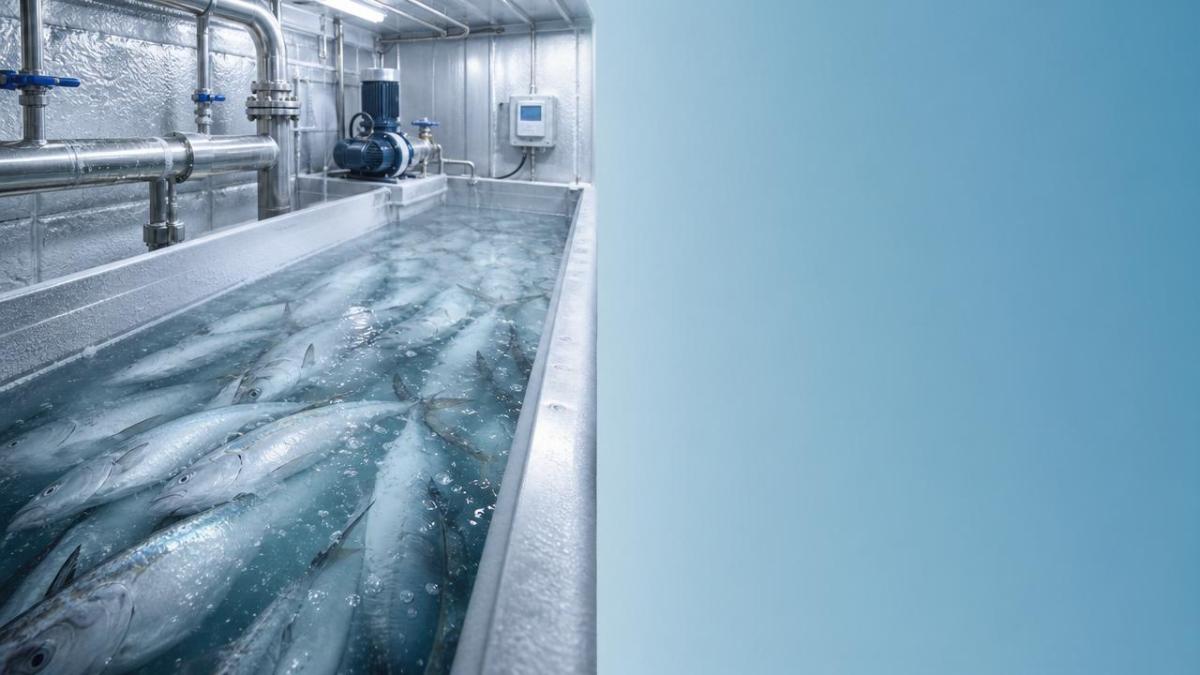
Fish begins to deteriorate almost immediately after harvest. Enzymatic activity, bacterial growth, bruising, and dehydration all accelerate when cooling is slow or uneven.
Traditional ice still has a place, especially on smaller boats. Even so, ice alone often struggles when catches are heavy, holds are deep, or voyages extend beyond a quick daily landing cycle.
Refrigerated seawater systems RSW address that gap by immersing fish in chilled seawater or a seawater-ice slurry. Direct contact with the cold medium removes heat rapidly from the catch.
In practical terms, faster chilling can mean firmer flesh, cleaner gills, less drip loss, and fewer quality disputes later in the chain. For operators selling into premium markets, that difference is commercial, not theoretical.
How refrigerated seawater systems RSW actually work
At the core, refrigerated seawater systems RSW circulate seawater through a cooling loop. A refrigeration unit extracts heat, while pumps move chilled water through insulated tanks or fish holds.
The objective is simple. Bring the fish temperature down quickly and keep it stable, usually close to the freezing point of seawater, without freezing the product itself.
Main system components
- Refrigeration compressor and condenser to remove heat from the circulating fluid.
- Evaporator or heat exchanger to chill seawater efficiently.
- Pumps and piping to maintain circulation throughout the hold.
- Insulated tanks or holds to limit thermal gain from the vessel environment.
- Temperature sensors and controls to prevent undercooling or freezing damage.
Some installations use clean seawater loaded at port. Others filter and circulate seawater taken onboard. The exact configuration depends on target species, voyage pattern, and sanitation requirements.
The system works best when the fish is loaded quickly, the water volume is sufficient, and circulation reaches all parts of the tank. Dead zones or overloading reduce the advantage.
Where the quality gains come from
The value of refrigerated seawater systems RSW is tied to heat transfer. Water removes heat much faster than air, and well-managed chilled seawater cools fish more evenly than layered ice in many hold designs.
That speed matters after high-volume sets. A hold full of warm fish can create internal temperature gradients, even when surface ice looks adequate. RSW reduces that mismatch.
It also limits handling. Fish can be moved from deck to tank with fewer steps, reducing crushing and abrasion. For species where visual grade drives pricing, that alone can justify serious evaluation.
Typical benefits observed in use
None of these gains are automatic. They depend on installation quality, operating discipline, hygiene, and realistic hold loading.
When fishing vessels should seriously consider RSW
Not every vessel needs refrigerated seawater systems RSW. The strongest fit appears when the catch profile or business model makes speed, consistency, and trip flexibility more valuable than the lowest possible upfront cost.
Common situations where RSW makes sense
- Multi-day voyages where ice melt and uneven cooling become a recurring problem.
- High-volume fisheries that land large catches in short time windows.
- Species with quality-sensitive pricing, including premium fresh market fish.
- Warm-water or hot-weather operations where deck temperatures raise spoilage risk.
- Routes serving processors that require stricter temperature documentation.
RSW can also support vessels trying to reduce dependence on large ice loads. Ice takes space, adds handling demands, and can limit flexibility when loading patterns shift.
On the other hand, small day boats landing quickly near port may find that a well-managed ice system remains sufficient. The decision should follow operating reality, not trend adoption.
Limits, risks, and operating mistakes to avoid
Refrigerated seawater systems RSW are effective, but they are not a cure for poor handling. If fish enters the tank bruised, delayed, or exposed too long on deck, cooling alone cannot restore lost quality.
Water quality deserves equal attention. Dirty tanks, weak filtration, or poor cleaning routines can turn a quality tool into a contamination risk.
There is also a species question. Some delicate fish do not tolerate rough movement in tanks, and some product forms are better suited to slurry ice or boxed chilling instead.
Key points to evaluate before adoption
- Required hold capacity versus actual catch peaks.
- Cooling rate under full load, not just in ideal test conditions.
- Power demand, fuel use, and maintenance access onboard.
- Tank cleaning procedures and sanitation verification.
- Temperature monitoring records for compliance and buyer assurance.
A weak installation often fails quietly. Temperatures may look acceptable near one sensor while fish deeper in the hold remains warmer than expected.
How to compare RSW with other chilling approaches
A useful comparison is not “RSW versus no cooling.” It is refrigerated seawater systems RSW versus the best realistic alternative for a specific trip profile.
From an investment view, the right benchmark is delivered value per kilogram, not equipment cost alone. Downgrades, rejects, and missed market windows can outweigh simple savings on installation.
What to review before making a vessel-level decision
A disciplined review usually starts with voyage data. Trip length, species mix, catch temperature at loading, current spoilage rates, and buyer complaints reveal whether RSW solves a real bottleneck.
The next step is technical fit. Space for tanks, insulation quality, available power, crew routines, and cleaning infrastructure all affect system performance.
This is also where ACC’s editorial lens becomes relevant. In regulated and quality-sensitive supply chains, equipment choice is rarely isolated from compliance records, documentation practices, and downstream specification demands.
A sound evaluation matrix should include quality retention, energy use, maintenance burden, sanitation control, and the commercial value of more consistent landings. That creates a clearer basis for comparing vendors or retrofit options.
For the next move, map current chilling performance against actual trip conditions, then compare refrigerated seawater systems RSW with ice, slurry, or hybrid setups using measurable quality and cost outcomes. That approach turns a technical topic into a practical operating decision.
Related Intelligence
- Commercial FishingDo commercial fishing vessels with hybrid diesel-electric propulsion reduce fuel cost per kg landed by more than 12%?Commercial fishing vessels with hybrid diesel-electric propulsion *can* cut fuel cost per kg landed by >12%—but only under precise operational and infrastructure conditions. Discover the real ROI.
- Commercial FishingHow to Choose Oyster Processing Equipment for Capacity, Hygiene, and Labor EfficiencyOyster processing equipment guide: compare capacity, hygienic design, and labor efficiency to build a reliable, scalable line and make smarter buying decisions.
- Commercial FishingWhat Oyster Farming Equipment Is Needed for Nursery, Grow-Out, and Harvest Stages?Oyster farming equipment for nursery, grow-out, and harvest stages explained clearly—discover the essential systems, avoid costly mistakes, and choose gear that improves survival, efficiency, and yield.
The Morning Broadsheet
Daily chemical briefings, market shifts, and peer-reviewed summaries delivered to your terminal.
