

The Authority in Global Agricultural Chemistry & Bio-Resources
Cast Nets Wholesale: Mesh Size, Material, and Weight Options Explained for Resellers
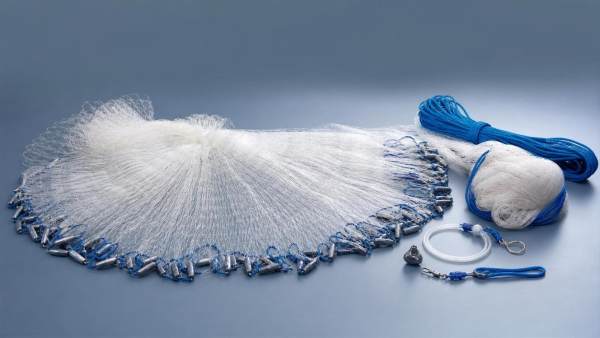
In the fishery equipment trade, cast nets wholesale is no longer a volume-only decision. Product fit now depends on how accurately mesh size, twine material, and lead weight align with local bait species, water conditions, and user expectations. For businesses tracking the wider aquaculture and primary industries landscape, this category matters because small specification differences can change catch performance, return rates, and long-term inventory value.
Why specification detail matters in cast nets wholesale
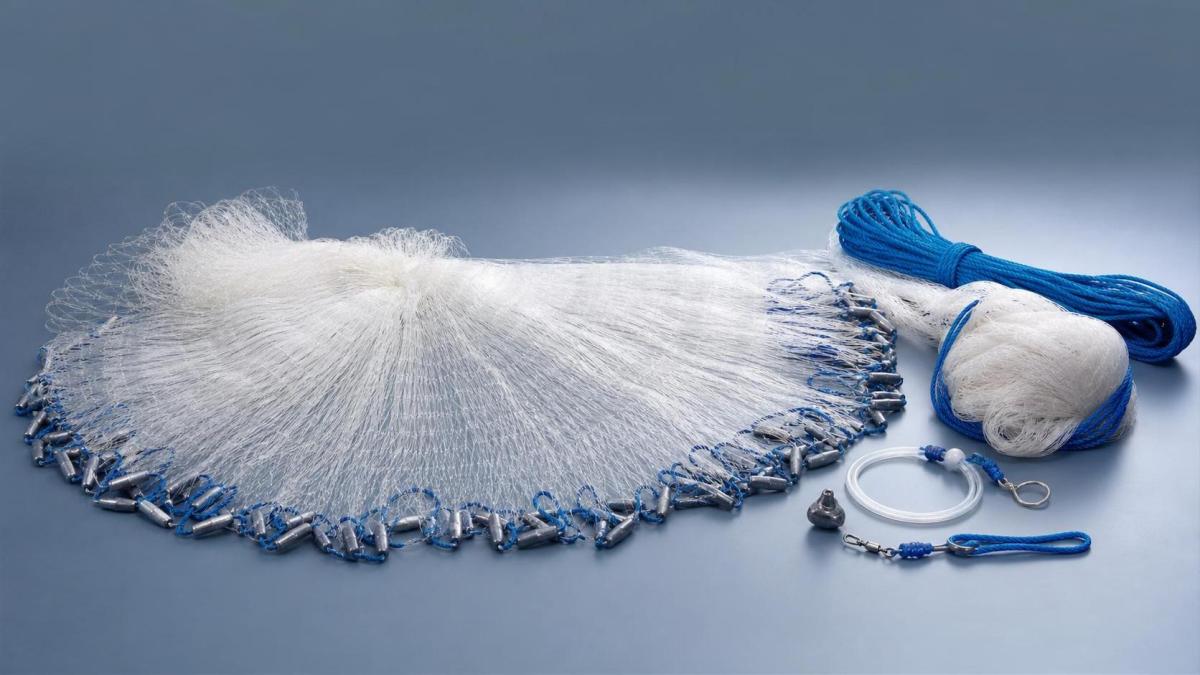
Cast nets appear simple at first glance. In practice, they sit at the intersection of fishery technology, field durability, and regional buying behavior.
That is why cast nets wholesale decisions often resemble other primary industry procurement choices. The visible product is straightforward, but performance depends on technical details.
AgriChem Chronicle follows markets where specification discipline affects commercial outcomes. In aquaculture and fishery supply chains, that discipline starts with understanding what the net is built to catch and how it will be used.
A net designed for live bait in shallow coastal water should not be stocked the same way as a net intended for freshwater shad, mullet, or educational recreational use.
When wholesale buyers overlook those distinctions, the result is familiar: mismatch between market demand and inventory, more complaints about sink speed or tangling, and weaker repeat business.
The three specifications that shape market fit
Most cast nets wholesale evaluations come back to three core factors. They are connected, so no single specification should be judged in isolation.
Mesh size affects both catch selectivity and handling
Mesh size determines what stays in the net and how much water resistance the net creates during the throw and sink.
Smaller mesh is commonly preferred for smaller baitfish. It reduces escape risk, but it can also increase drag and make the net feel heavier in the water.
Larger mesh sinks faster in many conditions and is often easier to spread cleanly. Yet it may allow smaller target species to slip through.
In cast nets wholesale planning, mesh size should be mapped to regional target species, average bait size, and customer skill level rather than broad assumptions.
Material determines lifespan, feel, and price positioning
Monofilament remains common because it is familiar, relatively affordable, and effective in many fishing environments.
It is often chosen for its lower visibility underwater and broad market acceptance. However, stiffness, knot memory, and abrasion resistance can vary noticeably by grade.
Multifilament options may offer a softer hand feel and different durability characteristics. They can appeal in segments where handling comfort matters more than minimum entry price.
For cast nets wholesale sourcing, material quality should be judged beyond catalog wording. Resin quality, knot consistency, and finish treatment often matter more than generic material labels.
Weight distribution influences sink speed and spread
Lead line weight is one of the most visible selling points in this category, but advertised weight alone does not tell the full story.
A heavier net may sink faster, which helps close around fast baitfish. It can also become harder to throw repeatedly, especially for less experienced users.
Even spacing of weights is just as important as total weight. Uneven distribution can distort the opening pattern and reduce effective coverage.
That is why reliable cast nets wholesale programs evaluate how the net opens, not only how much it weighs per foot.
How different specifications serve different markets
Demand in this segment is rarely uniform. Product selection works best when tied to actual fishing context and price sensitivity.
This is where cast nets wholesale becomes a portfolio question. A strong range usually includes a clear opening offer, a reliable mid-tier option, and a premium specification for performance-driven demand.
What buyers often miss when comparing suppliers
Quoted price per unit is only the visible layer. The more expensive errors usually come from inconsistent production or incomplete specification disclosure.
In practical terms, two nets with the same listed radius and mesh may behave differently because of handline quality, horn design, stitching accuracy, or lead attachment strength.
For cast nets wholesale, that means supplier comparison should include construction details, packaging consistency, replacement policy, and batch-level quality control.
This is also where broader supply chain thinking matters. ACC often highlights that technical categories in primary industries are shaped by traceability, standards awareness, and data-backed sourcing discipline.
Fishery gear may not be regulated like APIs or chemical intermediates, but credibility still depends on accurate specifications and dependable fulfillment.
Useful checks before committing volume
- Confirm whether mesh size is stated as stretched mesh or square mesh.
- Check actual lead weight tolerance across production batches.
- Review twine diameter, not just material type.
- Ask for opening and sink performance videos from current production.
- Inspect packaging suitability for retail, export, and warehouse handling.
- Clarify corrosion behavior of metal components in saltwater environments.
Building a more resilient cast nets wholesale assortment
A resilient assortment is not the widest assortment. It is the range that answers the most common use cases without creating avoidable overlap.
Usually, that means choosing products around a few decision anchors: target species size, throw experience, preferred water depth, and acceptable retail price band.
From there, cast nets wholesale selection becomes easier to structure. Mesh size can define capture intent, material can define durability tier, and weight can define performance character.
This approach also supports cleaner merchandising and clearer product education. Confusion drops when each SKU has a distinct job in the lineup.
In many markets, fewer but better-differentiated nets outperform a broad catalog filled with near-identical specifications.
A practical assortment framework
- Entry range: moderate weight, easy spread, accessible price.
- Core range: region-specific mesh options with proven durability.
- Performance range: faster sink, tighter tolerances, stronger finishing.
- Specialty range: targeted models for distinct local bait species.
Where to focus next
The most useful next step is to translate demand into a specification matrix. That means listing target species, preferred radius, mesh format, twine material, and lead weight by market channel.
Once that matrix exists, cast nets wholesale decisions become less subjective. Supplier discussions improve, substitute products are easier to evaluate, and inventory planning becomes more deliberate.
For businesses following fishery equipment through the broader primary industries lens, the same rule applies across categories: better technical understanding leads to better commercial judgment.
In cast nets wholesale, that judgment begins with simple questions asked more carefully: what must the net catch, how must it sink, how long must it last, and which specifications truly support that outcome.
Related Intelligence
- Commercial FishingDo commercial fishing vessels with hybrid diesel-electric propulsion reduce fuel cost per kg landed by more than 12%?Commercial fishing vessels with hybrid diesel-electric propulsion *can* cut fuel cost per kg landed by >12%—but only under precise operational and infrastructure conditions. Discover the real ROI.
- Commercial FishingHow to Choose Oyster Processing Equipment for Capacity, Hygiene, and Labor EfficiencyOyster processing equipment guide: compare capacity, hygienic design, and labor efficiency to build a reliable, scalable line and make smarter buying decisions.
- Commercial FishingWhat Oyster Farming Equipment Is Needed for Nursery, Grow-Out, and Harvest Stages?Oyster farming equipment for nursery, grow-out, and harvest stages explained clearly—discover the essential systems, avoid costly mistakes, and choose gear that improves survival, efficiency, and yield.
The Morning Broadsheet
Daily chemical briefings, market shifts, and peer-reviewed summaries delivered to your terminal.
