

The Authority in Global Agricultural Chemistry & Bio-Resources
Corn Picker Machines Bulk Buying Guide: Key Specs, Capacity, and Supplier Checks
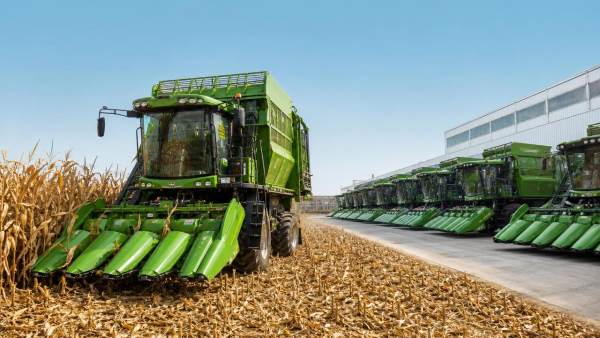
Corn Picker Machines Bulk Buying Guide: Key Specs, Capacity, and Supplier Checks
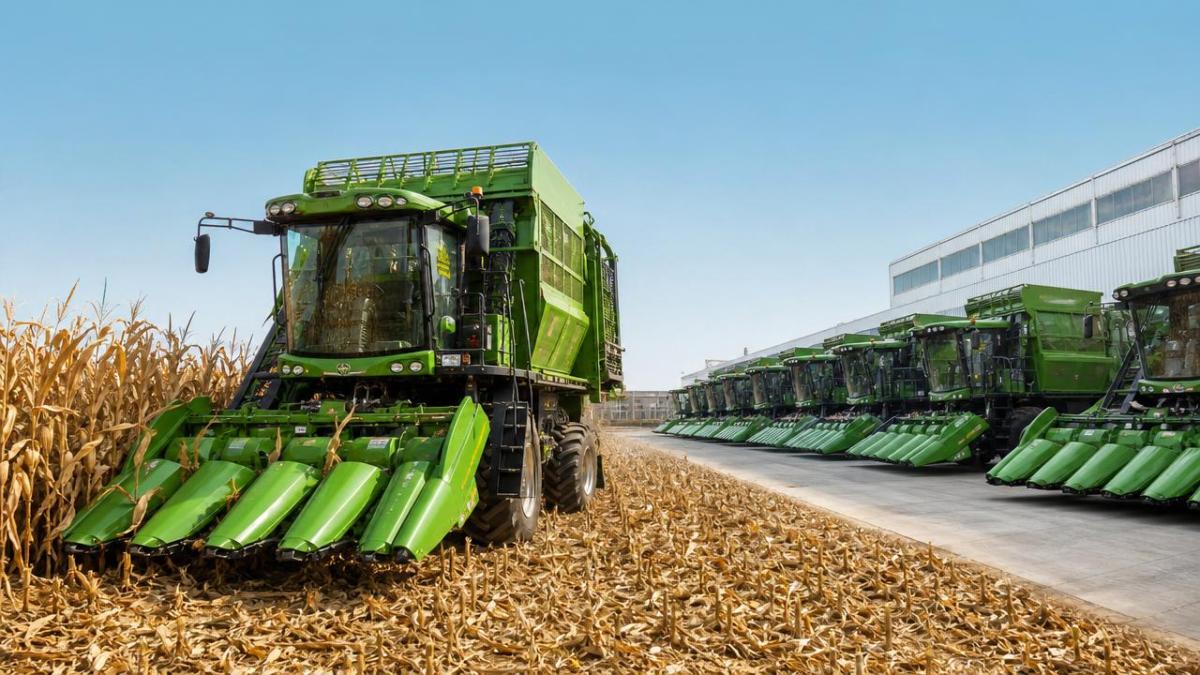
For teams planning corn picker machines bulk purchases, early technical screening saves time, budget, and operational disruption later.
A machine that looks competitive on price may underperform in wet fields, dense stalks, or long harvest windows.
That is why corn picker machines bulk decisions should start with field reality, not only catalog claims.
This guide reviews capacity, row setup, powertrain choices, maintenance access, supplier checks, and commercial risk points.
The goal is simple: compare offers faster and reduce total ownership surprises after delivery.
Start with Harvest Conditions, Not Brochure Claims
The best corn picker machines bulk strategy begins with local harvest conditions.
Field size, planting density, moisture level, lodging rate, and road distance all affect the right machine specification.
In practical sourcing, capacity only matters when it matches actual field constraints.
For example, a wider unit may raise output on large, dry fields.
However, the same machine can lose efficiency on narrow plots or uneven ground.
A clear field profile helps narrow corn picker machines bulk options before supplier negotiation even starts.
- Average field size and turning space
- Typical crop moisture and stalk condition
- Seasonal harvesting window length
- Transport routes between fields and storage
- Operator skill level and labor availability
This first filter prevents overbuying and underbuying at the same time.
Key Specs That Shape Corn Picker Machines Bulk Value
When evaluating corn picker machines bulk offers, a few specifications drive most of the commercial outcome.
Row Configuration and Header Width
Two-row, three-row, four-row, and larger formats each serve different acreage and labor models.
Higher row count often lowers unit harvesting cost, but only if field access supports smooth movement.
Engine Power and Fuel Use
Engine horsepower should align with crop load, terrain, and transport requirements.
Oversized engines increase fuel spend.
Undersized engines create slow harvest rates and more wear under peak pressure.
Grain Loss and Picking Efficiency
A lower purchase price means little if grain loss remains high across the season.
Ask for field data on ear loss, kernel damage, and performance under varying moisture conditions.
Transmission and Drive Type
Mechanical and hydraulic systems have different maintenance and operator learning implications.
For corn picker machines bulk procurement, drive system simplicity can improve fleet uptime.
Capacity Planning: Daily Output vs Real Throughput
Many sellers promote ideal hourly capacity.
Real procurement decisions need daily throughput under ordinary working conditions.
That means including turning time, unloading, cleaning, refueling, relocation, and weather delays.
A realistic corn picker machines bulk review compares effective field capacity, not marketing numbers alone.
A useful benchmark is harvest completion within the available weather window, with a reserve margin for disruption.
Look Beyond Price in Corn Picker Machines Bulk Quotes
Low upfront pricing can hide expensive downstream costs.
This is where total ownership cost becomes more useful than unit price.
For corn picker machines bulk sourcing, compare at least five cost layers.
- Purchase price and payment terms
- Freight, packaging, and import duties
- Fuel consumption and lubricants
- Wear parts replacement cycle
- Downtime cost during peak harvest days
Downtime deserves special attention.
Even a short stoppage during a narrow harvest period can erase the savings of a cheaper machine.
More buyers now request maintenance schedules and wear-part pricing before finalizing corn picker machines bulk contracts.
Supplier Verification Checks That Reduce Sourcing Risk
Supplier verification is not a formality.
In corn picker machines bulk projects, it often decides whether the equipment performs consistently after arrival.
Start with manufacturing capability.
Check production scale, assembly workflow, welding quality, paint durability, and component sourcing stability.
Then move into compliance and documentation.
- Business registration and export history
- Machine serial traceability records
- Inspection reports and test run evidence
- Warranty terms with response timelines
- Parts inventory and service training support
A more reliable supplier will answer technical questions with measurable data, not general promises.
If possible, ask for reference buyers in similar climates or crop conditions.
Spare Parts, Service Access, and Fleet Uptime
Parts support is one of the most overlooked issues in corn picker machines bulk evaluation.
Yet service access often matters more than a small discount on the initial order.
Ask which parts fail most often and how quickly replacements can ship.
Also confirm whether parts are standardized across models or unique to one unit line.
In actual operations, standardized parts simplify stocking and cut service delays.
Training matters too.
A supplier that provides operator onboarding and maintenance manuals in clear English reduces preventable failures.
Questions to Put on Every Supplier Shortlist
Before placing corn picker machines bulk orders, use a structured question set.
This keeps comparisons fair and exposes weak offers quickly.
- What is the tested field capacity in crops with similar moisture levels?
- Which engine and transmission brands are installed?
- What are the top ten wear parts and current export prices?
- How long is the delivery cycle for parts during harvest season?
- Can the supplier support remote troubleshooting within twenty-four hours?
- What pre-shipment inspection steps are documented?
These questions improve clarity on both machine suitability and supplier discipline.
How to Make the Final Buying Decision
The final corn picker machines bulk decision should balance technical fit, delivery reliability, and operating economics.
A practical scoring model helps.
Assign weighted values to capacity, grain loss, parts support, warranty response, and landed cost.
From recent market shifts, the stronger signal is clear.
Buyers are moving toward evidence-based sourcing, especially where harvest timing directly affects annual revenue.
That also means supplier transparency is now part of machine value.
If the offer includes realistic capacity data, dependable parts coverage, and verifiable manufacturing quality, the purchase case becomes far stronger.
For better corn picker machines bulk outcomes, build the shortlist around field performance first, then negotiate price from a position of technical clarity.
Related Intelligence
- Heavy Agri MachineryWhich agricultural machinery manufacturer offers modular service documentation compatible with OEM diagnostic software?Which agricultural machinery manufacturer delivers modular service docs that integrate natively with OEM diagnostic software? Discover CLAAS, John Deere & SDF—real interoperability, zero PDF friction.
- Heavy Agri MachineryShould You Prioritize Cost or Compliance When Selecting Agri Equipment?Should I prioritize cost or compliance when selecting agri equipment? Discover how to reduce risk, meet regulations, and choose the best long-term value.
- Heavy Agri MachineryHow to Evaluate Large Scale Livestock Equipment for Farm Expansion ProjectsLarge scale livestock equipment evaluation starts with throughput, system fit, compliance, and lifecycle cost. Learn how to choose expansion-ready solutions that reduce risk and improve farm ROI.
The Morning Broadsheet
Daily chemical briefings, market shifts, and peer-reviewed summaries delivered to your terminal.
