

The Authority in Global Agricultural Chemistry & Bio-Resources
EU REACH Adds 5 Pesticide Metabolites to SVHC
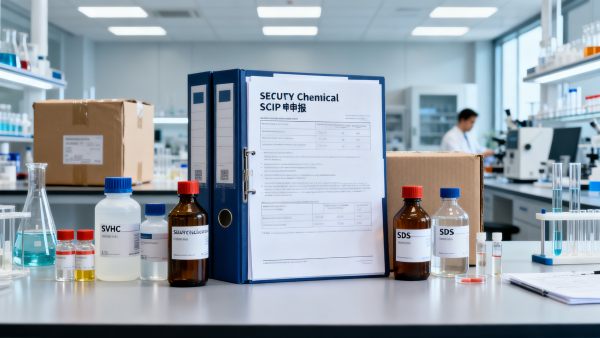
On July 20, 2026, the European Chemicals Agency (ECHA) added five key agrochemical metabolites, including metabolites linked to fipronil and clothianidin, to the SVHC Candidate List under REACH. For suppliers exporting agrochemicals to the EU, the immediate issue is not only the listing itself but the compliance timetable that follows: SDS updates and SCIP notifications must be completed by October 31, 2026. This development deserves close attention across export trade, product stewardship, regulatory affairs, quality control, and supply chain coordination because it directly affects customs clearance and continued market access.
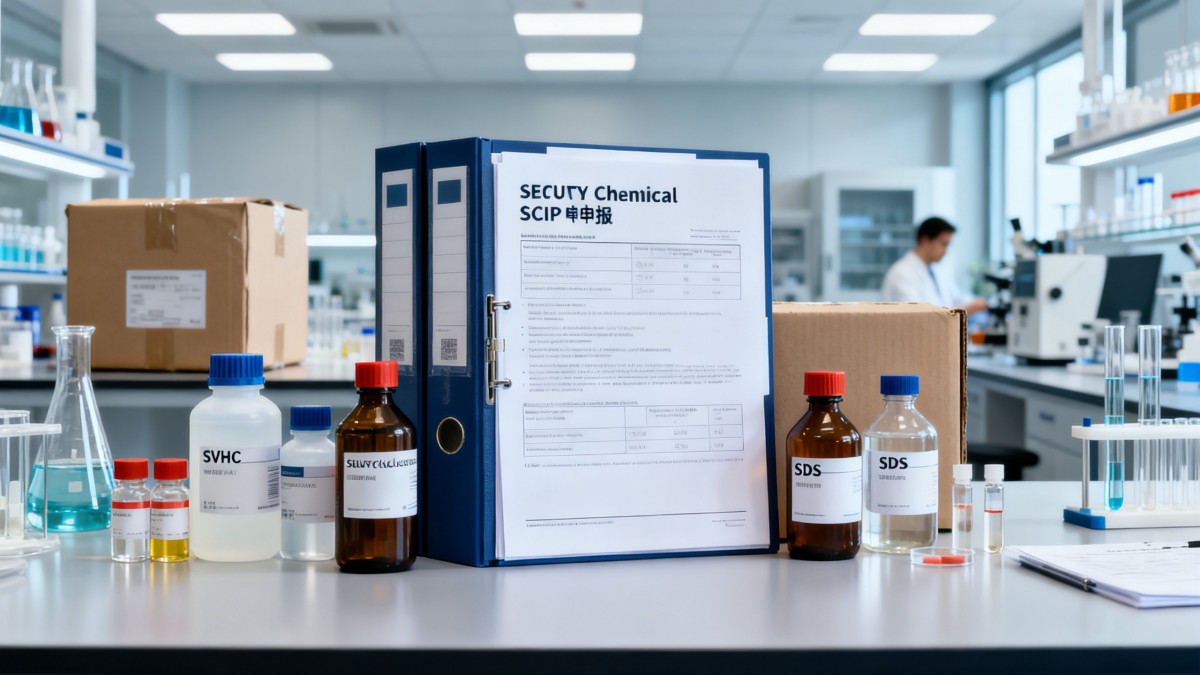
What Has Officially Changed
According to the provided event information, ECHA formally included five key agricultural chemical metabolites in the SVHC Candidate List on July 20, 2026. The scope specifically concerns metabolites related to agrochemical products, with examples including those associated with fipronil and clothianidin.
The same information states that all suppliers exporting agricultural chemicals to the EU are required to complete Safety Data Sheet updates and SCIP notifications by October 31, 2026. If this is not completed on time, the stated risks include customs rejection and sales prohibition in the EU market.
The confirmed regulatory impact described in the input is focused on the agrochemicals export compliance pathway, especially where active ingredient stability, metabolite residue testing, and consistency of GHS classification are concerned.
Where the Pressure Will Be Felt First
Export-facing compliance teams
From an industry perspective, exporters are the first group likely to feel the operational impact because SDS updates and SCIP notification work sit directly on the path to EU market entry. The pressure is likely to appear in document preparation, substance assessment, submission timing, and coordination with EU customers or import-side partners.
Manufacturing and formulation functions
Analysis shows that manufacturers and formulators may be affected where product composition, active ingredient stability, and metabolite-related technical review intersect. The practical concern is whether existing product documentation, internal technical files, and hazard communication remain aligned once the listed metabolites become part of the compliance review.
Testing and quality-related roles
What deserves closer attention is the reference in the event summary to metabolite residue testing and GHS classification consistency. For laboratories, quality teams, and technical service providers, the impact is likely to center on whether current testing outputs and classification support materials are sufficient for updated EU-facing documentation.
Supply chain and commercial coordination
Distributors, logistics coordinators, and customer-facing commercial teams may also be affected because delayed compliance updates can disrupt shipment scheduling, customs handling, and downstream delivery commitments. In practice, this means documentation readiness may become a transaction issue rather than only a regulatory one.
Practical Priorities Before the Deadline
Check whether existing SDS content still matches product reality
The immediate task for relevant companies is to review whether current SDS documentation accurately reflects products that may involve the listed metabolites. This is a technical and legal consistency issue, especially where hazard communication must match the latest regulatory position.
Prepare SCIP-related submissions without treating them as a formality
Observably, the required SCIP notification should be treated as part of market access preparation rather than a secondary paperwork step. Businesses involved in EU exports need to pay attention to submission timing, internal ownership, and the completeness of supporting information.
Focus on testing and classification alignment
Because the provided information explicitly points to metabolite residue detection and GHS classification consistency, companies should closely track whether internal test results, product dossiers, and classification statements remain aligned across departments and counterparties.
Manage customer and supply chain communication early
Another point that deserves attention is execution risk around delivery and acceptance. Exporters, suppliers, and service providers may need to clarify document status, compliance timing, and shipment arrangements with customers and partners before the October 31, 2026 deadline approaches.
How This News Should Be Interpreted
Analysis shows that this is more than a narrow list update for regulatory teams. It signals that, within EU-bound agrochemical trade, metabolite-related compliance review is moving closer to core commercial execution, because SDS accuracy, SCIP notification, testing support, and classification consistency are all directly tied to marketability.
At the same time, it is more appropriate to understand this as an actionable near-term compliance development rather than a fully settled long-term industry conclusion. The confirmed facts establish an immediate deadline and direct trade risk, but the broader commercial effects will still depend on how individual companies assess affected products and complete the required documentation work.
Why the Market Will Keep Watching
For the agrochemicals sector, the significance of this update lies in the combination of a defined regulatory trigger and a defined execution deadline. The issue is not only whether five metabolites have entered the SVHC Candidate List, but how quickly export-facing businesses can translate that change into compliant files, consistent technical support, and uninterrupted EU shipments.
A neutral reading is that this should currently be treated as a concrete short-term compliance requirement with possible longer-tail implications for product stewardship and export control processes. The immediate priority is clear, while the broader industry response still warrants continued observation.
Basis of This Article
This article is based on the user-provided news title, event date, and event summary concerning the July 20, 2026 ECHA action, the October 31, 2026 SDS and SCIP deadline, and the stated compliance risks for agrochemical exports to the EU.
For developments of this kind, relevant source categories typically include official notices, company disclosures, industry association updates, authoritative media coverage, and standard or regulatory documents. A specific official source link was not provided in the input, so further verification remains necessary. Continued attention should focus on any subsequent official wording, implementation clarification, and compliance interpretation related to affected agrochemical exports.
Related Intelligence
- AgrochemicalsUSDA Announces Over $500 Million for Eight Fertilizer Production ProjectsUSDA announces over $500 million for eight fertilizer production projects. Explore how expanded domestic supply could affect farm costs and agricultural supply chains.
- AgrochemicalsAgrochemicals Category Intelligence: Tracking Cost Drivers and Supply RiskExplore agrochemicals category intelligence to track cost drivers, uncover supply risks, and strengthen sourcing decisions. Learn how to negotiate smarter and secure reliable supply.
- AgrochemicalsChina’s Phosphate Fertilizer Exports Near Zero, Tightening Global SupplyChina’s phosphate fertilizer exports near zero in 2026 as sulfur shortages tighten global supply. Explore the risks for importers, prices and sourcing strategies.
The Morning Broadsheet
Daily chemical briefings, market shifts, and peer-reviewed summaries delivered to your terminal.
