

The Authority in Global Agricultural Chemistry & Bio-Resources
What Structured Chemical Sourcing Intelligence Should Buyers Track Before Vendor Shortlisting?
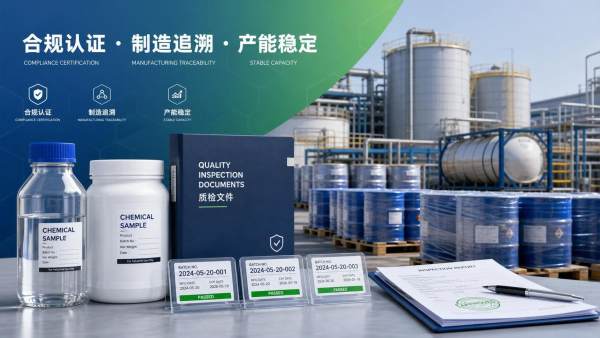
Why does structured chemical sourcing intelligence matter before vendor shortlisting?
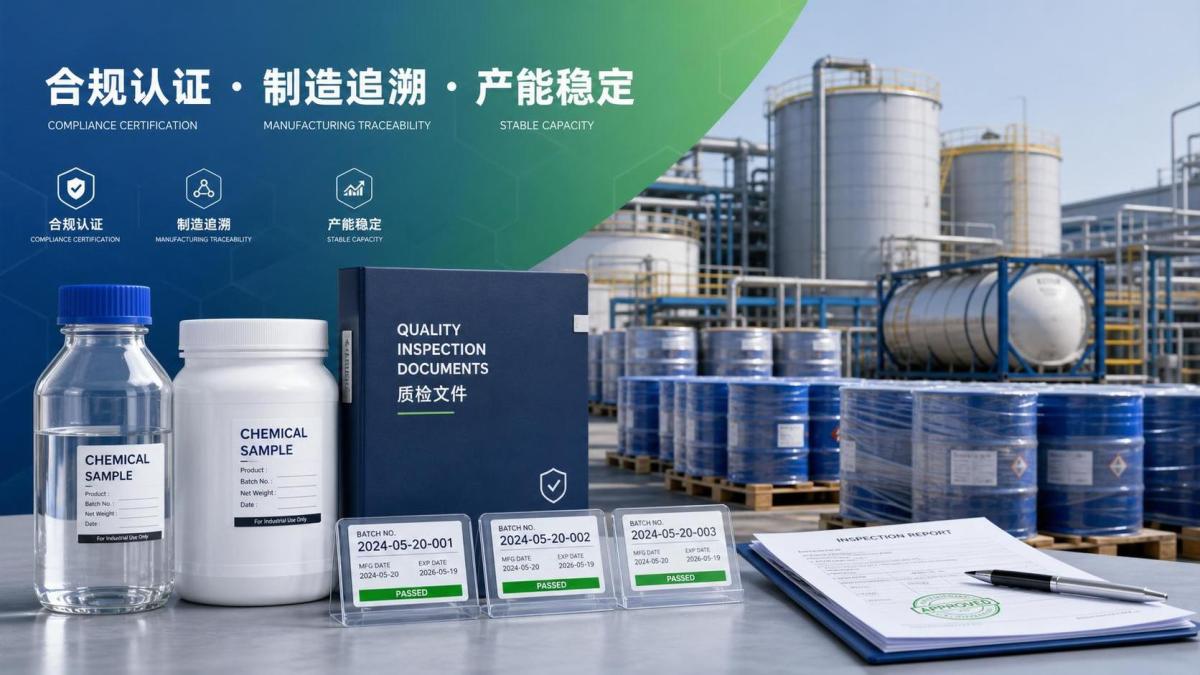
Shortlisting chemical suppliers too early often creates hidden cost later. The first quote may look attractive, yet weak compliance or unstable output can quickly erase that advantage.
That is where structured chemical sourcing intelligence becomes useful. It turns scattered supplier claims into comparable evidence across regulatory, operational, and commercial factors.
In practical terms, buyers need more than brochures, sample prices, and a few certificates. They need a framework that shows whether a supplier can pass technical, legal, and delivery scrutiny.
This is especially relevant across fine chemicals, APIs, bio-extracts, feed inputs, and processing materials, where documentation standards and traceability expectations are much stricter than general industrial purchasing.
AgriChem Chronicle has built authority around these regulated supply chains because the market no longer rewards superficial vendor screening. Reliable sourcing decisions now depend on verified manufacturing and market intelligence.
So the real question is not whether structured chemical sourcing intelligence is helpful. The better question is which signals deserve attention before a name enters the shortlist.
Which supplier signals should be checked first, not last?
A useful starting point is to separate basic eligibility from deeper competitiveness. If a supplier fails on core eligibility, there is little value in comparing price.
The first layer of structured chemical sourcing intelligence usually includes regulatory status, manufacturing identity, and product scope. These reveal whether the supplier is even operating inside the right compliance envelope.
- Valid registrations, licenses, and certifications tied to the exact product category.
- Named production site, not only a trading entity or export office.
- Documented quality system, including batch records and change control practices.
- Clear product grade definition, specification limits, and testing methods.
- Export history into markets with standards comparable to GMP, FDA, or EPA expectations.
The second layer is about continuity. Can the supplier sustain production, raw material access, and shipping performance during price swings or regulatory reviews?
Many sourcing failures happen because buyers validate the product but ignore the operating system behind it. A technically acceptable supplier can still be commercially fragile.
A practical screen is shown below.
How do you tell real supply chain transparency from polished marketing?
This is one of the most common sourcing questions, because many suppliers present transparency as a slogan rather than an auditable condition.
Real transparency leaves a documentary trail. It connects raw material origin, synthesis or processing steps, testing controls, packaging, and shipment records without major gaps.
If a supplier can provide a certificate but cannot explain process ownership or subcontracting boundaries, the intelligence is incomplete. That gap matters before shortlisting.
In actual sourcing work, a stronger test is consistency across documents. The plant identity, specification version, batch information, and regulatory statements should align across files.
Structured chemical sourcing intelligence also checks whether the supplier has experienced import alerts, warning letters, environmental penalties, or repeated customs disruptions.
That kind of intelligence cannot always be found in a quotation package. It often comes from trade data, inspection history, and sector reporting from specialized journals such as ACC.
A simple rule helps here: when a claim cannot be linked to a site, a document, or a shipment record, it should not carry much weight in shortlisting.
Is the lowest quote ever enough, or should pricing be read differently?
A low quote is useful data, but not a decision. On its own, it says very little about landed cost, supply resilience, or future negotiation leverage.
Structured chemical sourcing intelligence treats price as a signal inside a broader pattern. Buyers should ask why a quote is low, how long it can hold, and what assumptions support it.
For example, a low API quote may depend on spot raw material purchases, while a low feed additive quote may reflect unstable utility costs or excess inventory that will not last.
The more useful comparison is total sourcing exposure. That includes testing burden, document review time, qualification delay, freight volatility, and replacement risk if the supplier fails later.
When market intelligence is mature, pricing can also be benchmarked against capacity changes, plant turnarounds, export trends, and upstream feedstock pressure.
This is why experienced sourcing teams often treat unusually cheap offers as a trigger for more investigation, not as proof of value.
- Check whether the quote reflects the same purity, grade, and testing scope.
- Confirm whether packaging, documentation, and Incoterms are equivalent.
- Review how often the supplier reprices under raw material volatility.
- Ask whether the offered volume matches proven production capacity.
What risks are most often missed before a supplier reaches the shortlist?
The biggest blind spot is treating qualification as a document exercise only. Certificates matter, but they do not replace operational intelligence.
Another common mistake is ignoring product-to-site fit. A supplier may be credible in agricultural intermediates but weak in pharmaceutical-grade chemistry, or the reverse.
There is also the issue of hidden subcontracting. Some firms quote as manufacturers, yet critical steps are outsourced without clear control over quality drift or delivery timing.
Structured chemical sourcing intelligence helps surface these risks before resources are spent on deeper qualification.
The warning signs are usually visible if the review is disciplined:
- Specifications are broad, yet process explanations remain vague.
- Lead times look unusually short compared with known export routes.
- Audit responses are polished, but supporting records arrive slowly.
- Production claims exceed realistic output for the disclosed facility size.
- Regulatory language references standards without product-specific applicability.
In sectors followed closely by ACC, these missed signals often separate a workable supplier from a disruptive one. The cost difference only becomes obvious after an interruption.
What should a practical pre-shortlisting workflow look like?
A workable process does not need to be complicated. It needs to be structured enough that every supplier is judged on the same evidence set.
One effective approach is to build a staged review. Early stages remove ineligible suppliers. Later stages compare viable suppliers on resilience and cost predictability.
- Define the exact material, grade, use case, and regulatory threshold.
- Collect core structured chemical sourcing intelligence from each candidate.
- Score compliance, traceability, capacity, and pricing logic separately.
- Flag missing evidence instead of assuming acceptable performance.
- Use external market reporting to validate supplier claims and timing.
- Only then move the strongest candidates into formal shortlisting.
This method is especially useful when comparing suppliers across fine chemicals, bio-based inputs, aquaculture treatment materials, and processing additives, where risk profiles vary by application.
The value of structured chemical sourcing intelligence is not speed alone. It creates a cleaner record for internal review and reduces argument over subjective impressions.
Before any shortlist is finalized, the next step should be clear: refine the evidence checklist, verify exceptions, and compare total sourcing risk alongside price.
That is usually the difference between a shortlist built for convenience and one built for durable supply performance.
Related Intelligence
- APIs & IntermediatesProcurement Planning: Which Resource Reports Help Prevent Material Shortages?Discover how procurement planning resource reports reveal usable stock, shortage dates, and supplier risks so you can prevent material shortages and keep production on track.
- APIs & IntermediatesBuyer-Focused Vendor Screening: How Procurement Teams Verify Supplier Fit and RiskBuyer-focused vendor screening helps procurement teams verify supplier fit, compliance, quality, and supply-chain resilience—reduce risk and make smarter sourcing decisions.
- APIs & IntermediatesHow API Sourcing Intelligence Reduces Supplier Risk and Protects Supply ContinuityChemical sourcing intelligence for APIs helps reduce supplier risk, validate capacity and GMP controls, and protect supply continuity. Explore practical sourcing insights.
The Morning Broadsheet
Daily chemical briefings, market shifts, and peer-reviewed summaries delivered to your terminal.
