

The Authority in Global Agricultural Chemistry & Bio-Resources
Feed Pellet Machinery for Pig Feed: How to Choose Capacity, Die Size, and Automation Level
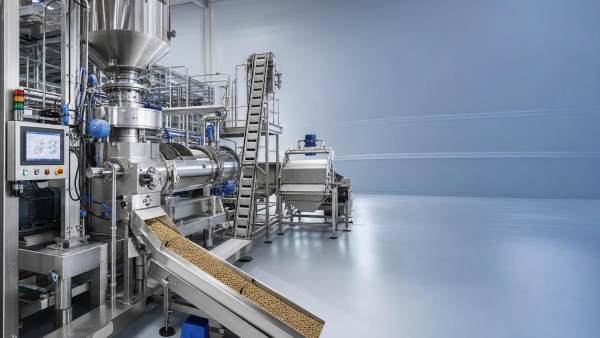
Selecting feed pellet machinery for pig feed is rarely a single-parameter decision. Capacity, die size, and automation level shape pellet durability, formulation flexibility, energy consumption, and the real cost of daily production.
That matters more now because feed processors face tighter margin control, stricter traceability demands, and more frequent shifts in raw material quality. In ACC coverage of feed and grain processing, equipment choices are increasingly judged by operating stability rather than only nameplate output.
For plants comparing feed pellet machinery for pig feed, the most useful approach is to connect machine specifications with feed formulas, herd stage requirements, maintenance resources, and expected expansion over time.
Why equipment selection now carries more operational weight
Pig feed production has become more variable. Protein sources change, moisture conditions shift, and ingredient pricing can force fast reformulation.
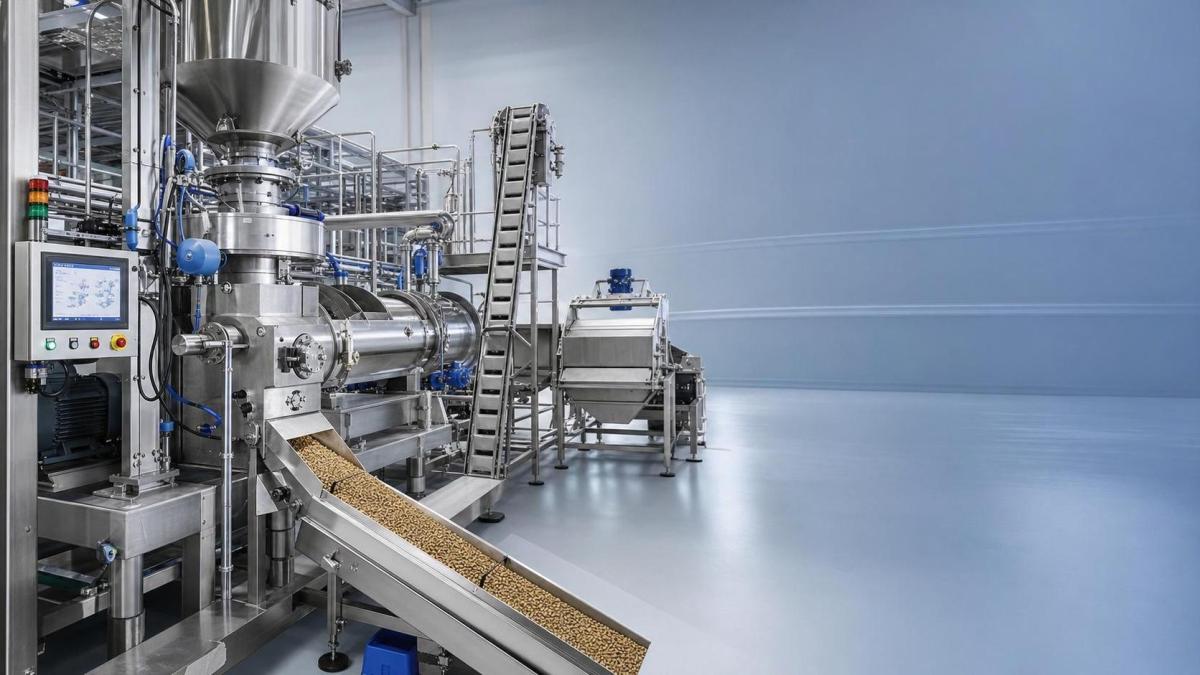
A pelleting line that performs well with one ration may struggle when fiber rises or starch behavior changes. That is why feed pellet machinery for pig feed should be evaluated as part of a processing system, not as a stand-alone machine.
This broader view also reflects the mixed priorities seen across primary industries. As AgriChem Chronicle often emphasizes, reliable procurement depends on technical transparency, measurable process control, and clear links between specification and field performance.
What feed pellet machinery for pig feed actually includes
In practical terms, the phrase usually refers to a pelleting section and its supporting line. The pellet mill is central, but overall performance depends on several connected stages.
- Grinding, because particle size affects compression and pellet strength.
- Conditioning, because steam and moisture influence starch gelatinization.
- Pelleting, where die geometry and roller pressure form the pellet.
- Cooling and screening, which protect durability and remove fines.
A common mistake is to compare feed pellet machinery for pig feed only by motor power or tons per hour. Those figures matter, but they do not explain how the line behaves under a changing feed program.
Capacity is more than a headline throughput number
Capacity should match the plant’s real production rhythm. That includes shift length, formula change frequency, downtime tolerance, and the gap between average and peak demand.
Nameplate output versus usable output
Vendors often state capacity under favorable conditions. Actual output can fall when formulations include higher fiber, higher fat, or inconsistent moisture.
Usable capacity is the more relevant measure. It reflects what the line can sustain while keeping pellet quality, amperage stability, and acceptable die wear.
How to size with room for change
Oversizing can reduce efficiency when the line runs well below its intended load. Undersizing creates chronic bottlenecks and makes future growth expensive.
A balanced specification usually considers the current requirement plus a moderate expansion margin. In many cases, that means sizing for stable operation at about 70 to 85 percent of practical maximum output.
Die size affects pellet quality, intake behavior, and process efficiency
Die size discussions often focus on pellet diameter alone. In reality, both die hole diameter and effective compression ratio influence performance.
Matching pellet diameter to feeding stage
Piglet feed usually requires smaller pellets or crumbles derived from small-diameter pellets. Grower and finisher diets can accept larger pellets, depending on feeding practice.
Choosing a die that is too large can reduce intake suitability for younger animals. Choosing one that is too small may limit throughput and increase power consumption.
Compression ratio and formulation fit
Compression ratio influences residence time and densification. Higher ratios may improve durability in some formulas, but they can also raise heat, wear, and blockage risk.
Formulas with higher fiber or lower natural binding often need careful die design and better conditioning. A die that works for one product family may be inefficient for another.
- Smaller die holes generally support finer pellet size control.
- Longer effective channels can improve density but raise resistance.
- Poor die matching often appears first as fines, slippage, or unstable load.
Automation level should reflect process complexity, not fashion
Automation is one of the most misunderstood parts of selecting feed pellet machinery for pig feed. More controls are not automatically better if they add cost without improving consistency.
Where automation creates clear value
The strongest return usually comes from controls that stabilize critical variables. Conditioner temperature, steam addition, feeder speed, motor load, and cooler discharge are typical examples.
These functions help maintain repeatability across shifts. They also support traceability, which has become more relevant in regulated and export-oriented supply chains.
When simpler control architecture makes sense
Plants with limited formulation changes or stable operating conditions may not need advanced supervisory layers. A robust PLC-based setup with strong alarms and data logging can be enough.
The better question is whether the automation package improves diagnosis, reduces operator intervention, and shortens recovery after disturbances.
Practical comparison points during equipment evaluation
A structured comparison prevents overreliance on brochure claims. It also makes different suppliers easier to assess on equal terms.
This kind of review aligns with ACC’s broader editorial emphasis on validated capability and supply chain clarity. In equipment decisions, those principles translate into documented performance, service transparency, and traceable operating data.
Common mismatches that raise cost later
Some problems appear only after installation. They usually come from an early mismatch between machine specification and production reality.
- Selecting feed pellet machinery for pig feed by maximum output alone.
- Using one die setup for very different formulas without adjustment.
- Adding automation without clear process control objectives.
- Ignoring steam quality, cooling balance, or upstream grinding consistency.
- Underestimating spare parts lead time and local service response.
These issues often show up as higher fines, unstable amperage, reduced die life, or poor pellet uniformity. The machine may still run, but its economics become difficult to defend.
A more useful next step than comparing catalogs
The strongest equipment decisions usually begin with a process map. That means documenting target formulas, hourly demand bands, pellet specifications, utility conditions, and expected cleaning frequency.
From there, feed pellet machinery for pig feed can be compared against a short list of operational criteria: practical capacity, die suitability, control architecture, wear economics, and evidence from similar installations.
A trial using representative formulas is often more revealing than another technical brochure. It shows how the line behaves under the conditions that actually matter, and it gives the clearest basis for a defensible selection.
Related Intelligence
- Commercial Feed PelletHow to Build a Sanitary Feed Production Plan That Reduces Cross-ContaminationSanitary feed production planning: reduce cross-contamination with smarter sequencing, validated flushing, material segregation, and traceable sanitation controls.
- Commercial Feed PelletFeed Pellet Mill Sourcing: How to Vet Suppliers for Capacity, Quality, and SupportFeed pellet mill sourcing made smarter: vet suppliers for proven capacity, pellet quality, lifecycle cost, factory controls, commissioning, and reliable after-sales support.
- Commercial Feed PelletFeed Production System Price Trends: Cost Drivers and Budgeting for New LinesFeed production systems price trend insights: compare cost drivers, automation, utilities, compliance, and total ownership costs to budget smarter for new feed lines.
The Morning Broadsheet
Daily chemical briefings, market shifts, and peer-reviewed summaries delivered to your terminal.
