

The Authority in Global Agricultural Chemistry & Bio-Resources
Industrial Grade Hydrochloric Acid Uses, Concentrations, and Handling Basics
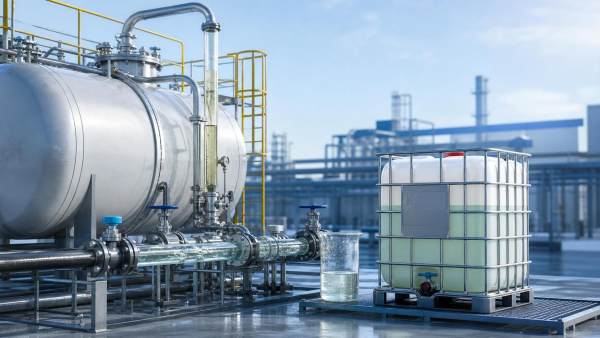
Industrial grade hydrochloric acid sits at the center of many supply chains because it solves very practical problems. It removes scale, adjusts pH, supports synthesis, and helps processors keep downstream systems stable.
That wide utility also explains why the material keeps drawing attention across fine chemicals, food processing, water treatment, and primary industries covered by AgriChem Chronicle. A basic understanding of grade, concentration, compatibility, and handling often shapes safer sourcing decisions.
What industrial grade hydrochloric acid means in practice
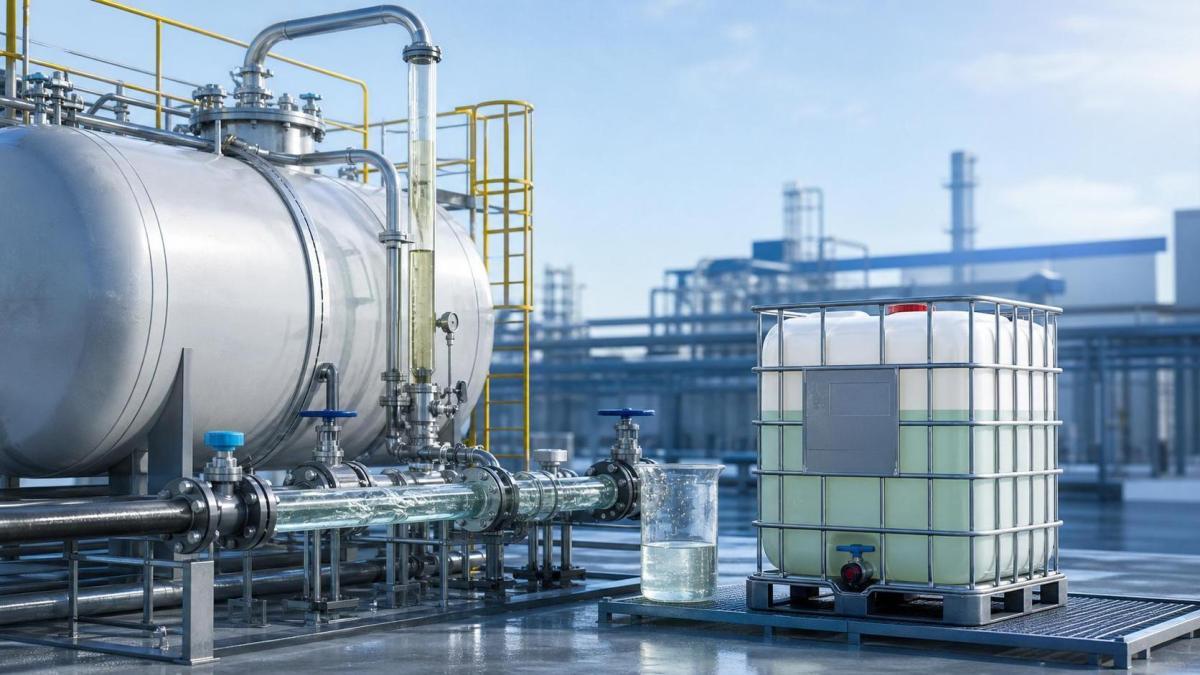
In simple terms, industrial grade hydrochloric acid is an aqueous solution of hydrogen chloride prepared for commercial processing rather than laboratory analysis or direct pharmaceutical use.
The key distinction is not only purity. It is also about intended use, impurity profile, packaging format, documentation, and consistency from batch to batch.
Most buyers look beyond the name itself. They compare concentration, iron content, residue, color, storage recommendations, transport classification, and whether the material fits the process window.
This matters because one operation may tolerate trace contaminants, while another may see corrosion, product discoloration, or unstable reaction performance from the same variation.
Why the market keeps paying attention
Hydrochloric acid is not a niche reagent. It is a volume chemical linked to infrastructure, manufacturing throughput, equipment maintenance, and regulatory control.
In periods of freight disruption or tighter environmental oversight, even a familiar acid becomes a strategic procurement topic. Lead times, tank availability, and compliance paperwork can shift total cost faster than headline price.
That broader context is especially relevant in ACC’s coverage areas. Feed processing, bio-extract production, and primary chemical manufacturing all depend on reliable inputs that behave predictably under industrial conditions.
More importantly, industrial grade hydrochloric acid often sits upstream of sensitive operations. A small mismatch in specification can create a large downstream quality or maintenance issue.
Common concentrations and how they are used
Concentration is one of the fastest ways to understand intended application. Higher strength can reduce shipping water, but it may also change ventilation needs, dosing accuracy, and material compatibility.
These ranges vary by supplier and region. Even so, they provide a practical starting point when comparing technical data sheets or evaluating whether dilution on site makes sense.
Where industrial grade hydrochloric acid creates value
Its value is easier to see through operations than through chemistry alone. The acid is used where deposits, alkalinity, mineral content, or reaction control affect productivity.
Metal treatment and pickling
Steel and fabricated metal lines use industrial grade hydrochloric acid to remove rust and mill scale before galvanizing, coating, or forming. Clean surfaces improve finish quality and reduce defect risk.
Water treatment and pH control
Municipal and industrial systems use it to lower pH, regenerate ion exchange resins, and control scaling tendencies. In these settings, dosing precision matters as much as raw acid strength.
Chemical manufacturing and synthesis
Industrial grade hydrochloric acid supports salt formation, intermediate production, and catalyst-related process steps. Consistent impurity limits become more important when product color or reaction selectivity is sensitive.
Food and ingredient processing
Some processors use hydrochloric acid for pH adjustment, starch modification, gelatin handling, or equipment cleaning under controlled conditions. Grade selection must align with local food regulations and plant validation practices.
Feed, grain, and bio-processing systems
In ACC-relevant sectors, acidification and cleaning functions can influence equipment uptime, extraction yield, and sanitation routines. Here, supply continuity often matters as much as nominal specification.
Specification details that deserve closer review
The safest purchasing decision usually comes from matching process needs with specification detail, not choosing the strongest or cheapest option by default.
- Check concentration tolerance, not only nominal concentration.
- Review iron and heavy metal levels if color, residue, or side reactions matter.
- Confirm acceptable packaging, such as drums, IBCs, or bulk tank delivery.
- Ask for safety data, certificate formats, and transport classification early.
- Verify compatibility with pumps, seals, valves, vents, and storage tanks.
- Clarify whether the process requires industrial, food-related, or higher-purity material.
This is where market intelligence also becomes useful. A supplier may meet assay requirements while failing on consistency, logistics responsiveness, or documentation quality.
Handling basics that should never be treated as routine
Industrial grade hydrochloric acid is familiar, but familiarity can create avoidable risk. The material is corrosive, may release irritating fumes, and reacts with incompatible substances.
Safe handling begins with the full system, not just personal protective equipment. Storage, transfer design, ventilation, labeling, emergency response, and training all matter together.
- Use corrosion-resistant containers and transfer components suited to acid service.
- Keep the material away from bases, oxidizers, reactive metals, and hypochlorites.
- Add acid to water during dilution, not the reverse.
- Control vapors through suitable venting and localized exhaust where needed.
- Prepare spill response measures and neutralization procedures in advance.
- Follow site, transport, and jurisdictional requirements rather than generic assumptions.
In practice, many incidents begin with secondary issues. Incorrect hose material, poor drum handling, or incompatible cleaning chemicals can create a bigger problem than the acid itself.
A practical framework for comparing supply options
When evaluating industrial grade hydrochloric acid, it helps to compare offers across performance, risk, and continuity rather than focusing on unit price alone.
This approach aligns well with ACC’s editorial lens, where raw material decisions are evaluated through both technical rigor and supply chain transparency.
What to clarify before the next decision
A clear internal checklist often prevents unnecessary trial and error. Start with the actual process objective. Is the acid being used to clean, neutralize, regenerate, synthesize, or condition a stream?
Then review the site constraints. Storage temperature, available ventilation, dosing method, wastewater handling, and container turnover can all influence the right specification.
Finally, compare suppliers on the details that affect real operation. For industrial grade hydrochloric acid, the best choice is usually the one that combines fit, documentation, predictable delivery, and safe handling support.
If further evaluation is needed, the most useful next step is to map concentration, impurity tolerance, packaging, and compliance needs against the intended application. That turns a common commodity into a well-defined procurement decision.
Related Intelligence
- APIs & IntermediatesEnzyme-Based Process Engineering: Designing Robust Biocatalytic Scale-UpEnzyme based process engineering for robust biocatalytic scale-up: optimize reactor control, transfer limits, recovery, and GMP-aligned manufacturing.
- APIs & IntermediatesWhat Role Does Compliance Play in Pharmaceutical Ingredient Sourcing?What role does compliance play in pharma ingredient sourcing? Discover how GMP, traceability, audits, and quality agreements protect supply, quality, and market access.
- APIs & IntermediatesWhat Should a Procurement Intelligence Library Include for Better Supplier Decisions?Procurement intelligence library essentials: evaluate supplier capability, compliance, performance, and supply-chain risk to make smarter, more resilient buying decisions.
The Morning Broadsheet
Daily chemical briefings, market shifts, and peer-reviewed summaries delivered to your terminal.
