

The Authority in Global Agricultural Chemistry & Bio-Resources
Global Grain Silo Tenders Rise as Export Quotes Jump 8.2%
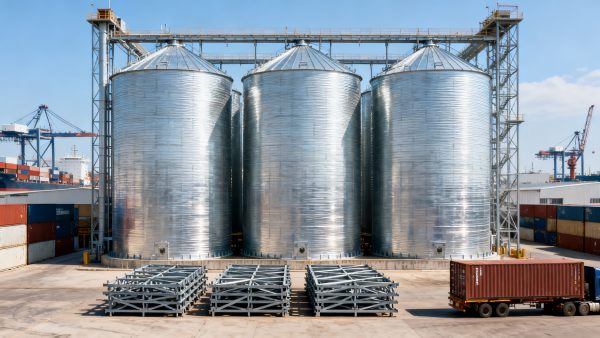
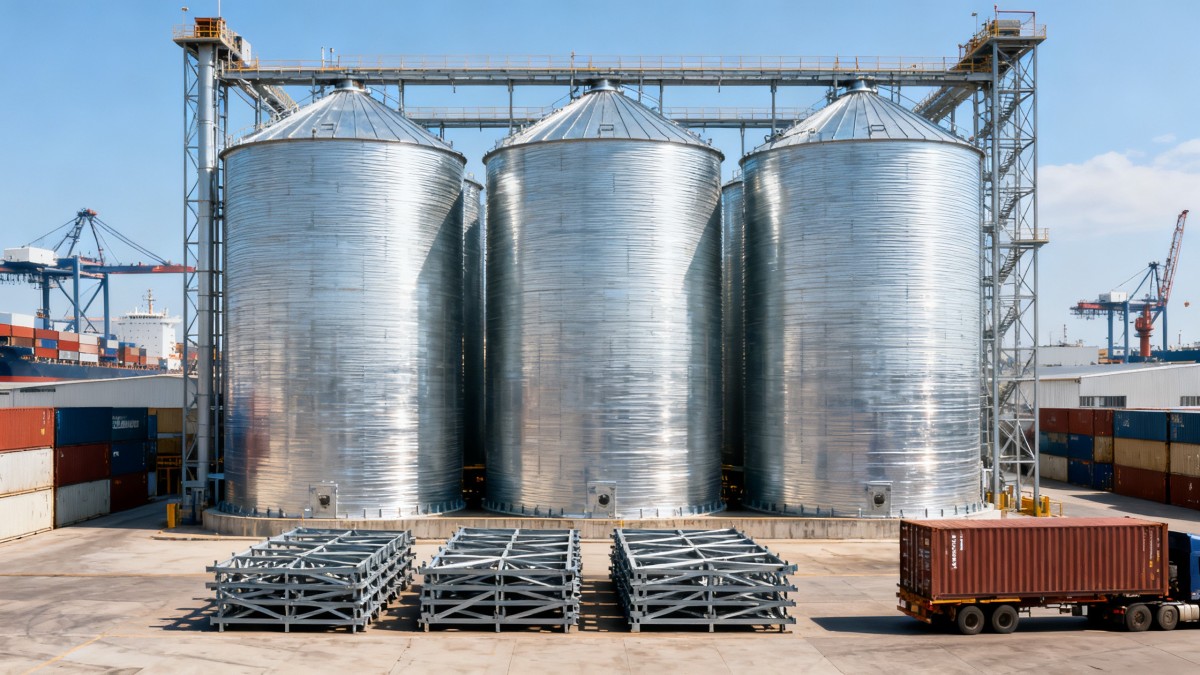
The timing of this development is not clearly specified in the available information, but the latest update points to a notable shift in the grain storage equipment market: international tenders for Grain Silos & Storage have increased while Chinese export quotations for steel silo systems have moved higher in the same period. For manufacturers, trading companies, procurement teams, and logistics providers, this is worth watching because demand, pricing, and delivery schedules are tightening at the same time.
Tender Growth and Pricing Changes Now in Focus
According to FAO’s June procurement brief, multiple countries in the Middle East, East Africa, and Southeast Asia are accelerating strategic grain storage construction plans. In that context, international tender volume for Grain Silos & Storage rose 41% compared with May.
At the same time, Chinese mainstream suppliers raised Grain Silos & Storage export FOB quotations by 8.2% week on week in the third week of June. Within that change, galvanized corrugated plate silo structures posted a larger increase of 10.5%.
The information provided also states that the price rise was influenced by higher hot-rolled coil prices and tight shipping capacity. Delivery lead times were extended in parallel to 12–14 weeks.
Where the Pressure Appears Along the Chain
Procurement teams face narrower timing flexibility
From an industry perspective, buyers involved in public tenders or project procurement may feel the impact first because price validity and delivery timing become harder to manage when quotations rise and lead times lengthen together. What deserves closer attention is whether bid planning, budget assumptions, and technical schedules can still match supplier lead times.
Manufacturers and exporters must manage cost pass-through
Analysis shows that equipment manufacturers and export-oriented suppliers are positioned between upstream steel cost pressure and downstream project demand. The main business impact may appear in quotation strategy, raw material purchasing, and contract execution, especially for galvanized corrugated plate silo products that showed a sharper price increase.
Logistics and delivery service providers may see coordination risks increase
Observably, tight ocean freight capacity does not only affect transport cost expectations; it can also influence shipment booking, project sequencing, and delivery commitments. For freight and supply chain service providers, the key variable is whether shipping space constraints continue to interfere with promised dispatch windows.
What Companies Should Track Right Now
Watch tender rhythm against quote validity
Companies participating in overseas grain storage projects should pay close attention to whether tender release timing aligns with current quotation windows. If tender activity stays active while supplier prices remain volatile, the gap between bid preparation and final procurement may become a practical issue.
Check product-specific exposure
The sharper increase in galvanized corrugated plate silo structures deserves closer attention. For businesses concentrated in this category, the immediate concern is not only price movement but also whether specifications, cost estimates, and customer expectations remain aligned during negotiation.
Reassess delivery promises and supporting documents
With lead times extending to 12–14 weeks, exporters and contractors may need to review delivery commitments, production scheduling, and supporting documentation tied to contract performance. This is especially relevant where procurement decisions depend on clear fulfillment timelines.
Separate market signals from confirmed execution
Analysis shows that stronger tender activity does not automatically mean every planned project will move through procurement and delivery at the same pace. Companies should distinguish between announced demand momentum and actual order conversion, while maintaining close communication with clients and suppliers.
How This Signal Should Be Read
Observably, this update points to simultaneous movement on both the demand side and the supply side of the grain storage equipment market. On one side, more countries are accelerating strategic storage plans; on the other, export pricing and delivery conditions are becoming less favorable for buyers.
It is more appropriate to understand this as a market signal that deserves continued tracking rather than as a fully settled long-term trend. The current facts confirm stronger tender activity, higher export quotations, and longer lead times, but they do not yet establish how persistent these conditions will be.
A Short-Term Shift With Broader Implications
For the industry, the main significance of this development lies in the combination of tender growth, rising steel-linked costs, and logistics tightness. That combination can affect purchasing decisions, contract timing, and project execution more quickly than any single factor alone.
From a neutral industry reading, this is best treated as a short-term market development with possible broader implications if the same pattern continues. The immediate priority is careful monitoring of tenders, pricing, and delivery conditions rather than assuming a fixed long-term outcome.
Basis of This Article and Ongoing Verification
This article is generated based on the user-provided news title, event timing description, and event summary. The specific official source link was not provided in the input, so further verification is still needed.
For this type of market update, commonly relevant source categories include official announcements, company disclosures, industry association releases, authoritative media coverage, and procurement or standards-related documents. Follow-up attention should remain on subsequent FAO-related procurement updates, tender activity changes, export quotation movements, and any further shifts in delivery lead times.
Related Intelligence
- Grain Silos & StorageExport-Compliant Grain Storage Systems: Standards, Documentation, and Design ChecksExport compliant storage systems: learn how grain facilities strengthen segregation, condition control, fumigation readiness, traceability, and shipment release.
- Grain Silos & StorageApplication-Based Moisture Specifications for Stored Grain: Limits, Testing, and Risk ControlApplication based moisture specification guide for stored grain: set defensible limits, improve testing, and control spoilage risks across storage applications.
- Grain Silos & StorageHow to Plan Grain Storage Capacity and Flow for a Food Processing PlantGrain storage planning for processing plants: optimize capacity, flow, drying, segregation, and resilience to protect quality and prevent bottlenecks.
The Morning Broadsheet
Daily chemical briefings, market shifts, and peer-reviewed summaries delivered to your terminal.
