

The Authority in Global Agricultural Chemistry & Bio-Resources
Kashagan Maintenance Tightens Grain Storage Export Window
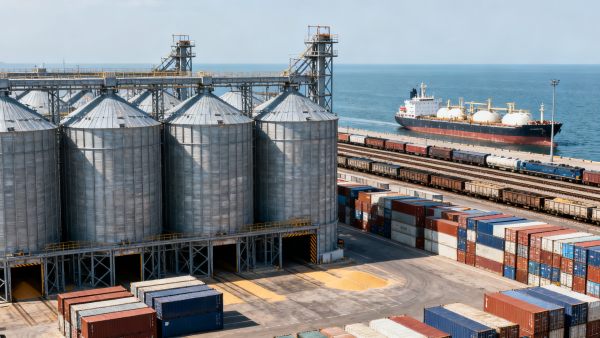
The timing of this development is not specified in the provided information, but the signal is clear for exporters serving Kazakhstan grain storage projects: a July maintenance cycle at the Kashagan oil field is expected to redirect Caspian port capacity toward energy-related cargo, narrowing the shipping window for Grain Silos & Storage equipment. For suppliers, buyers, logistics providers, and project delivery teams, the issue is not only transport delay but also how delivery credibility, routing choices, and compliance documentation are managed during a tighter execution period.
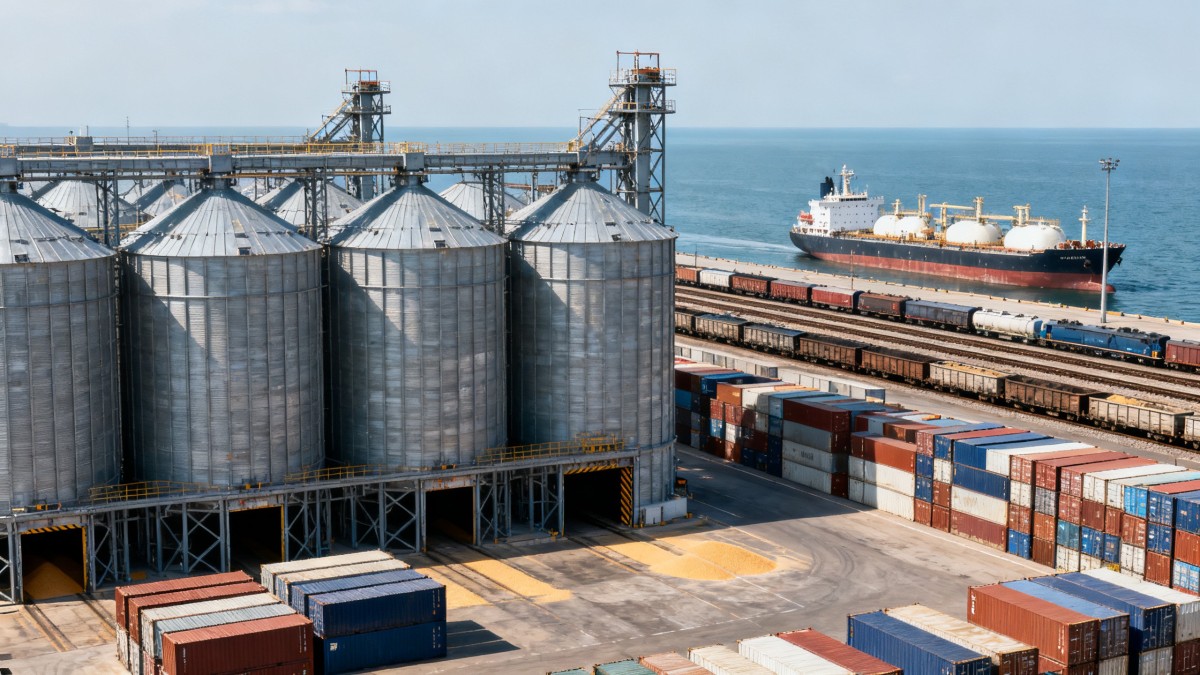
Port capacity is being reprioritized during the July maintenance period
According to the provided information, Kazakhstan’s energy minister confirmed that the Kashagan oil field will undergo annual maintenance in July for 35 to 40 days. During that period, Caspian port capacity will tilt toward energy materials. The stated consequence is tighter ocean freight space for Grain Silos & Storage equipment moving toward Central Asia, with delivery schedules generally pushed back by two to three weeks. The same information also indicates that Chinese companies already contracted for Kazakhstan grain storage projects should coordinate consolidated China-Europe rail alternatives in advance and provide clients with a UNI EN 1090-1:2018 compliance declaration for structural components.
Where the pressure shifts across the delivery chain
Export suppliers face a routing and scheduling constraint
From an industry perspective, exporters of Grain Silos & Storage equipment may be affected first because the reported change is tied to available transport capacity rather than product demand. The main pressure points are booking space, aligning shipment sequence with project milestones, and keeping contract delivery communication consistent with the revised logistics window. What deserves closer attention is whether shipment plans, packing lists, and delivery commitments are prepared in a way that supports a rail substitution if sea freight capacity remains tight.
Project buyers and procurement teams may focus more on delivery assurance
For project owners and procurement teams already engaged in Kazakhstan grain storage projects, the immediate concern is likely to move from price and manufacturing progress to delivery certainty and document completeness. Analysis shows that when a transport window narrows, buyers may place greater weight on whether the supplier can show a workable alternative route and provide supporting compliance materials together with shipment updates. In this context, the reference to a UNI EN 1090-1:2018 structural compliance declaration matters because it can strengthen confidence in execution when transport arrangements are under pressure.
Logistics and coordination providers may need tighter document matching
Supply chain service providers may be affected through mode switching and timetable coordination. Observably, if consolidated China-Europe rail services are considered as an alternative, the operational focus may shift to cargo consolidation, dispatch timing, and the consistency of technical and shipping documentation across handover points. The practical issue is less about a new formal trade rule being announced and more about a temporary execution environment in which logistics choices and supporting documents become more sensitive.
What companies should review now
Recheck delivery plans against the July maintenance window
Analysis shows that companies already under contract should revisit shipment sequencing, loading windows, and customer-facing delivery commitments in light of the stated 35 to 40 day maintenance period and the reported two to three week delay risk. If sea freight timing becomes less reliable, internal planning should identify which consignments are most exposed to schedule slippage.
Prepare rail substitution options before customers request them
The provided information specifically points to consolidated China-Europe rail services as an alternative that should be coordinated in advance. It is more appropriate to understand this as an execution recommendation rather than a guaranteed solution. Companies should therefore focus on readiness: route matching, document consistency, and communication with customers on how any substitution may affect delivery sequence.
Keep structural compliance files ready for client communication
The reference to a UNI EN 1090-1:2018 compliance declaration for structural components deserves closer attention. Observably, when logistics become uncertain, compliance materials can also function as delivery-confidence tools in commercial communication. Companies involved in Kazakhstan grain storage projects should ensure that relevant declarations and associated technical documents are organized and can be shared promptly with clients when shipment arrangements are updated.
Watch for changes in execution language and tender-facing expectations
Because the provided information does not include further official implementation detail, companies should avoid assuming a fully standardized response across all projects. Analysis shows that what matters next is whether clients, contractors, or project documents begin to place more explicit emphasis on alternative logistics planning, lead-time disclosure, or supporting compliance declarations during the affected period.
Why this looks more like an execution signal than a standalone trade rule
Observably, this development is best read as a practical execution signal created by temporary capacity reprioritization rather than as a newly published trade regulation. The industry relevance comes from the way a maintenance decision in the energy sector can reshape freight availability for adjacent project cargo. At the same time, the mention of UNI EN 1090-1:2018 shows that compliance documentation may become more visible when delivery conditions tighten. What deserves closer attention is not only the delay itself, but whether project-side expectations around proof of compliance and transport contingency become more explicit in ongoing transactions.
How the market may reasonably interpret this stage
From an industry perspective, the current information points to a near-term tightening in the export logistics window for Grain Silos & Storage equipment serving Kazakhstan-related projects, with possible knock-on effects for scheduling, customer communication, and document readiness. It is more appropriate to understand this as an already relevant operational change and a market execution signal, while the broader and longer-lasting implications still require observation. A measured reading is that affected companies should act on routing and compliance preparation now, without overstating the permanence of the disruption.
Basis of this article and points that still need verification
This article is generated from the user-provided news title, event timing, and event summary. The specific official source link was not provided in the input, so continued verification remains necessary. For developments of this kind, relevant source types typically include official announcements, statements from regulatory or trade authorities, customs or trade administration information, industry association updates, standards organization documents, and reporting by authoritative media. What still needs to be monitored includes any further official wording, execution interpretation, tender document changes, compliance documentation expectations, logistics practice on the affected route, and feedback from companies carrying out deliveries.
Related Intelligence
- Grain Silos & StorageIraqi Trade Minister Reviews Grain Silo Project at Bühler HeadquartersIraq grain silo project: Trade Minister Atheer Daoud reviews progress at Bühler headquarters. Explore how five planned silos could expand grain storage and support food security.
- Grain Silos & StorageGrain Silos vs. Flat Storage: Comparing Usable Capacity and Space NeedsExplore a category comparison by storage capacity for grain silos vs. flat storage. Compare usable tonnes, site space, and operating needs to choose the right system.
- Grain Silos & StorageHow Modular Feed and Grain Systems Support Scalable Storage and Processing ExpansionModular feed and grain systems enable smarter, scalable expansion across storage, conveying, processing, and loadout. Discover how to eliminate bottlenecks, protect future capacity, and keep operations moving.
The Morning Broadsheet
Daily chemical briefings, market shifts, and peer-reviewed summaries delivered to your terminal.
