

The Authority in Global Agricultural Chemistry & Bio-Resources
Variable Speed Grain Conveyors vs Fixed Speed Models: Which Fits Your Throughput?
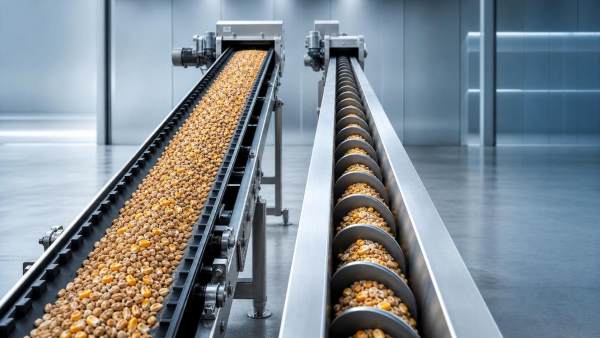
Variable Speed Grain Conveyors vs Fixed Speed Models: Which Fits Your Throughput?
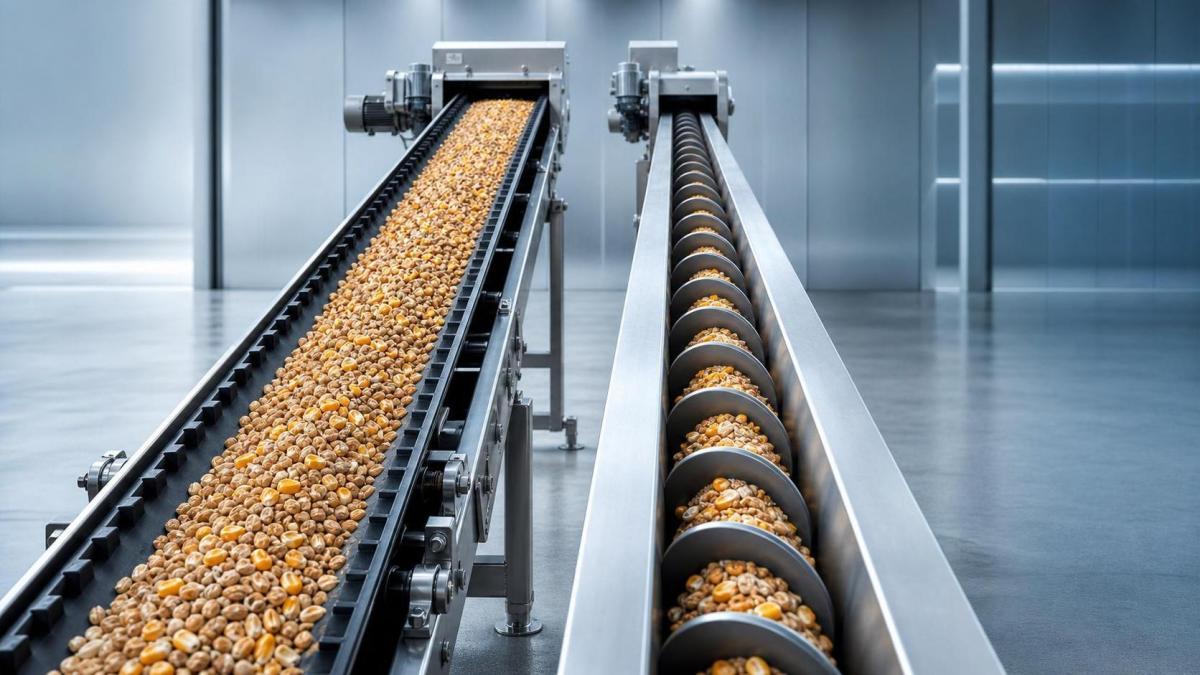
Choosing between variable speed grain conveyors and fixed speed systems affects far more than line speed. It shapes throughput stability, grain quality, power demand, and maintenance planning.
That decision becomes more important when production volumes shift by season, crop type, or contract mix. A conveyor that works well at one load may struggle under a different operating pattern.
For facilities handling wheat, corn, soybeans, pellets, or blended feed ingredients, the right conveyor speed strategy depends on actual flow conditions, not just nameplate capacity.
This comparison explains where variable speed grain conveyors create measurable value, where fixed speed models still make sense, and how to evaluate total performance before purchase.
What Changes When Conveyor Speed Can Be Adjusted
Variable speed grain conveyors use drives that allow operators to raise or reduce belt, chain, or screw speed based on incoming material volume and downstream demand.
Fixed speed conveyors run at one preset rate. They are usually simpler to configure and easier to standardize across a stable process line.
The practical difference shows up in daily operations. Variable control lets a line respond to surges, partial loads, or product changes without forcing the whole system to run flat out.
That flexibility can protect grain from excess impact and unnecessary recirculation. It can also reduce empty running time, especially in plants with uneven intake schedules.
Core operating difference
- Variable speed grain conveyors match conveyor output to real flow conditions.
- Fixed speed models deliver predictable transfer rates under steady loads.
- Variable drives improve control during startup, shutdown, and product transitions.
- Fixed speed systems often reduce control complexity and spare parts variety.
Throughput: Stable Volume or Variable Flow?
Throughput is usually the first screening factor. Yet nameplate capacity alone rarely tells the full story in grain receiving, storage, drying, and processing applications.
If the line runs the same crop, at similar moisture, across long production windows, fixed speed equipment may be fully adequate. Simplicity becomes a real advantage there.
From recent market changes, a clearer signal is variability. Many facilities now manage shorter runs, mixed commodities, and tighter dispatch timing. That is where variable speed grain conveyors stand out.
When intake fluctuates, adjustable speed helps keep upstream pits, dryers, cleaners, and bins from either starving or overloading. That improves line balance across the plant.
Choose variable speed when throughput looks like this
- Daily volume changes sharply by delivery pattern or season.
- The conveyor feeds equipment with narrow optimal load windows.
- Different grain types require different handling rates.
- Operators need smoother ramp-up to avoid plugging or surge discharge.
Choose fixed speed when throughput looks like this
- The process runs one main product for long, repeatable shifts.
- The line is already balanced around a stable transfer rate.
- Utility costs are less critical than low initial equipment cost.
- Maintenance teams prefer minimal drive programming and controls.
Energy Use, Wear, and Grain Handling Precision
Energy performance is often misunderstood. Variable speed grain conveyors do not automatically save power in every case, but they can reduce waste under partial-load conditions.
If a conveyor spends long periods below maximum design load, slowing it down can lower unnecessary motor demand and reduce idle transfer. That matters in facilities with irregular receiving cycles.
There is also a handling benefit. Lower speed can reduce kernel damage, dust generation, and product rollback in some conveyor designs. This matters when grain quality affects final pricing.
Fixed speed systems still have strengths. With fewer control components, they can be easier to troubleshoot. In harsh environments, that simplicity may translate into faster maintenance recovery.
Cost and performance tradeoffs
Where Variable Speed Grain Conveyors Deliver the Most Value
Not every site needs adjustable speed. The value is strongest where process volatility creates hidden costs in labor, downtime, grain loss, or unbalanced equipment loading.
In practical operations, variable speed grain conveyors are especially useful in facilities linking multiple process stages with different cycle times. A fixed speed transfer can become the weak point.
They also make sense when future production plans are uncertain. If throughput targets may rise or product mix may broaden, adjustable speed provides more operational headroom.
This does not mean overbuying. It means protecting against a line that becomes too rigid within a few seasons.
High-value applications
- Grain receiving stations with irregular truck arrival patterns
- Feed mills managing frequent formula changes
- Drying lines where moisture content changes transfer behavior
- Storage systems feeding multiple downstream destinations
- Processing plants planning staged capacity expansion
Procurement Questions That Prevent the Wrong Choice
A common mistake is comparing conveyor models only by rated tons per hour. The more reliable approach is to test fit against the full operating profile.
That includes startup frequency, material variability, control integration, sanitation needs, and expansion plans. These factors often determine whether variable speed grain conveyors pay back their premium.
More importantly, they expose cases where a fixed speed conveyor remains the better commercial decision because the process is simple, stable, and well understood.
Use this evaluation checklist
- Map minimum, average, and peak hourly throughput.
- Identify how often incoming grain type or moisture changes.
- Measure how often downstream equipment becomes a bottleneck.
- Review electricity pricing and partial-load operating hours.
- Estimate the cost of grain damage, spillage, or dust control.
- Confirm compatibility with plant automation and safety standards.
- Ask suppliers for performance data at non-maximum loads.
- Compare lifecycle cost, not just purchase price.
Final Decision: Match Speed Strategy to Operating Reality
The better option depends on how predictable the plant really is. Fixed speed models suit steady-duty systems where product, volume, and line balance rarely change.
Variable speed grain conveyors are the stronger choice when throughput swings, product conditions vary, or process coordination matters as much as raw transfer capacity.
In other words, adjustable speed is less about adding technology for its own sake. It is about buying control where control affects output, operating cost, and handling quality.
Before moving forward, compare supplier proposals against actual load profiles, integration requirements, and growth plans. That is usually where the right conveyor decision becomes clear.
Related Intelligence
- Grain Silos & StorageHow Modular Feed and Grain Systems Support Scalable Storage and Processing ExpansionModular feed and grain systems enable smarter, scalable expansion across storage, conveying, processing, and loadout. Discover how to eliminate bottlenecks, protect future capacity, and keep operations moving.
- Grain Silos & StorageHow to Size a Grain Pre-Cleaner for Capacity, Crop Type, and Impurity LoadGrain pre cleaner machine sizing guide: match capacity, crop type, moisture, and impurity load to improve flow, separation quality, and downstream performance.
- Grain Silos & StorageHow Can You Verify That a Grain Handling System Meets Export Standards?How do I know if a grain handling system meets export standards? Explore practical checks for traceability, sanitation, quality control, and export-ready compliance.
The Morning Broadsheet
Daily chemical briefings, market shifts, and peer-reviewed summaries delivered to your terminal.
