

The Authority in Global Agricultural Chemistry & Bio-Resources
India Weighs Extending Petrochemical Tax Relief
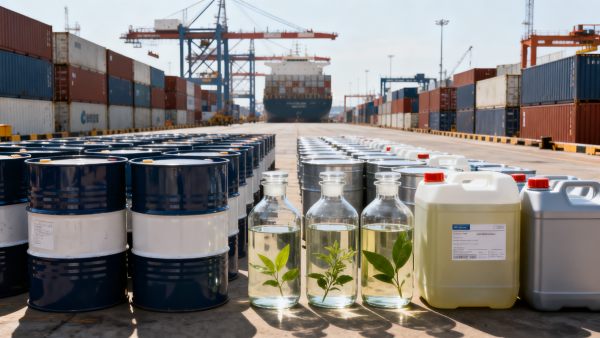
The timing of this development is not clearly stated in the available input, but the policy signal itself is relevant for companies involved in botanical extracts, raw material sourcing, cross-border trade, and formulation supply. According to the provided summary, Indian officials are considering extending the import tax exemption for petrochemical products beyond June 30, a move that could improve customs and cost conditions for Botanical Extracts that rely on plant-based solvents such as limonene and eucalyptol while still depending on petrochemical-derived GMP-grade extraction aids in upstream processing.
What Has Been Indicated So Far
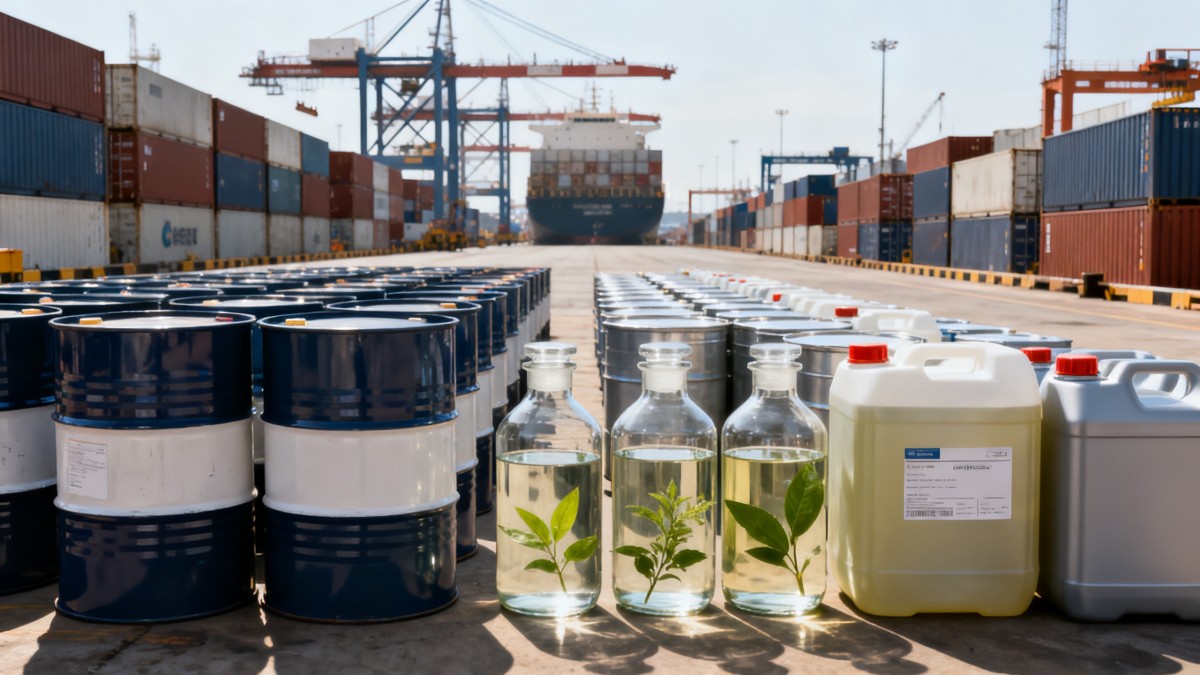
Based on the provided information, Indian government officials have indicated that an extension of the import tax exemption for petrochemical products beyond June 30 is under consideration. The same input states that many natural extracts currently depend on petrochemical derivatives as GMP-grade extraction aids. It also states that, if extended, the exemption could reduce raw material procurement costs for Indian formulation manufacturers and support higher import allocations for natural active ingredients from China.
Where the Practical Effects May Appear First
Cost sensitivity at the formulation end
From an industry perspective, Indian formulation manufacturers may be among the first to feel the effect because their raw material economics can be influenced by the tax treatment of petrochemical inputs used alongside natural extract production. What deserves closer attention is not only headline tax relief, but whether procurement teams adjust sourcing plans, import timing, or volume expectations for botanical ingredients tied to these processing systems.
Export positioning for Botanical Extracts suppliers
Analysis shows that exporters of Botanical Extracts, especially those supplying products carried or processed with plant-based solvents such as limonene and eucalyptol, may view this as a potentially supportive trade signal. The practical impact may appear in quotation strategy, customer discussions, delivery scheduling, and the preparation of product and process documentation that helps buyers evaluate GMP-related compatibility and import readiness.
Pressure on supply chain coordination and customs readiness
Supply chain service providers and trade operations teams may also need to watch for changes in documentation emphasis, customs handling expectations, and shipment planning. If buyers in India respond to lower input costs by increasing procurement interest, exporters and logistics partners may need to align more carefully on product descriptions, technical files, batch traceability materials, and delivery sequencing to avoid friction at the clearance stage.
What Companies Should Track Next
Watch the exact policy wording
Observably, the current development is a policy consideration rather than a fully detailed execution outcome in the provided input. Companies should therefore monitor the final wording, scope, and implementation language of any extension before treating it as a settled operating condition.
Review compliance files tied to extract processing
For suppliers of natural active ingredients and related Botanical Extracts, it is worth reviewing whether product dossiers, technical specifications, and supporting GMP-related materials clearly explain the role of extraction aids and solvent systems. This is not because new requirements have been confirmed, but because buyers may scrutinize documentation more closely when procurement conditions shift.
Prepare for changes in buyer procurement behavior
What deserves closer attention is whether Indian buyers revise import quotas, purchasing cycles, or request patterns for Chinese natural active ingredients. Exporters may need to stay ready for faster inquiries, revised order structures, or tighter coordination around lead times and shipment release documents, even though no specific execution timetable has been confirmed in the input.
Keep delivery and traceability aligned with trade execution
Analysis shows that any improvement in customs convenience only becomes commercially meaningful when matched by stable delivery execution. Companies should pay attention to batch records, product identification consistency, and trade paperwork quality so that any increase in transaction activity does not create avoidable compliance or clearance delays.
Why This Still Looks Like a Signal, Not a Finished Rule
From an industry perspective, this update is more appropriately understood as an execution signal that may influence expectations across sourcing and export planning, rather than as a completed and fully defined rule change. The key issue is that the available input points to official consideration of an extension, but does not provide detailed implementing provisions, confirmed customs procedures, or a final enforcement framework. That is why continued attention to later policy wording, buyer response, and trade practice changes remains necessary.
How the Market May Best Read This Update
A cautious reading is more appropriate than a definitive one. The information provided suggests a possible easing effect for trade linked to Botanical Extracts and related natural active ingredients, particularly where upstream processing depends on petrochemical-derived GMP-grade extraction aids. At the same time, the absence of detailed implementation language means the market should treat this as a development worth tracking closely, not as a fully settled operating environment.
Basis of This Article
This article is generated from the user-provided news title, event timing, and event summary. The specific official source link was not provided in the input, so further verification remains necessary. For developments of this type, relevant source categories typically include official government notices, regulatory releases, customs or trade authority information, industry association updates, standard-setting documents, and reporting by authoritative media. Further observation is still needed on policy details, implementation interpretation, procurement document changes, market feedback, and how companies actually execute against any eventual extension.
Related Intelligence
- Botanical ExtractsAre Botanical Extracts Classified as Agrochemicals Under New Rules?Are bio extracts considered agricultural chemicals under new rules? Learn how claims, composition, and market rules affect classification—and what to verify before launch.
- Botanical ExtractsChoosing Botanical Extracts for Pharmaceuticals: Potency, Purity, and ComplianceBotanical extracts for pharmaceuticals: learn how to assess potency, purity, traceability, and GMP compliance for confident, regulatory-ready supplier selection.
- Botanical ExtractsBotanical Extracts Market Outlook: Supply, Pricing, and Buyer RisksBotanical extracts market insights on supply, pricing, quality control, and buyer risks—compare suppliers confidently and protect your sourcing strategy.
The Morning Broadsheet
Daily chemical briefings, market shifts, and peer-reviewed summaries delivered to your terminal.
