

The Authority in Global Agricultural Chemistry & Bio-Resources
Indonesia Subsidizes 250,000 Tons of Imported Soybeans
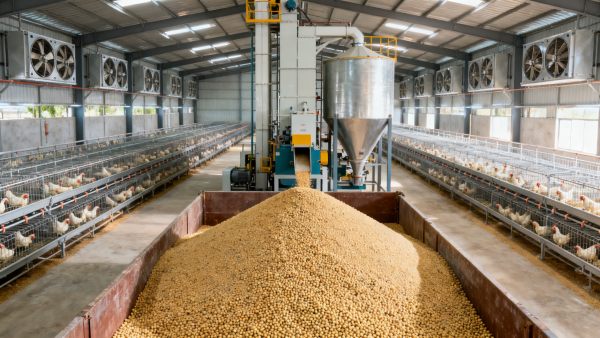
The timing of this development was not specified in the provided information, but the policy signal is clear: Indonesia has announced a subsidy for 250,000 tons of imported soybeans to help stabilize supply for domestic feed processing and livestock and poultry farming. For the industry, the point worth watching is not only the soybean move itself, but also how lower soybean meal costs may influence feed plant expansion decisions and, in turn, purchasing demand across Commercial Feed Pellet, Poultry Housing & Caging, and Climate Control & Ventilation systems in Southeast Asia.
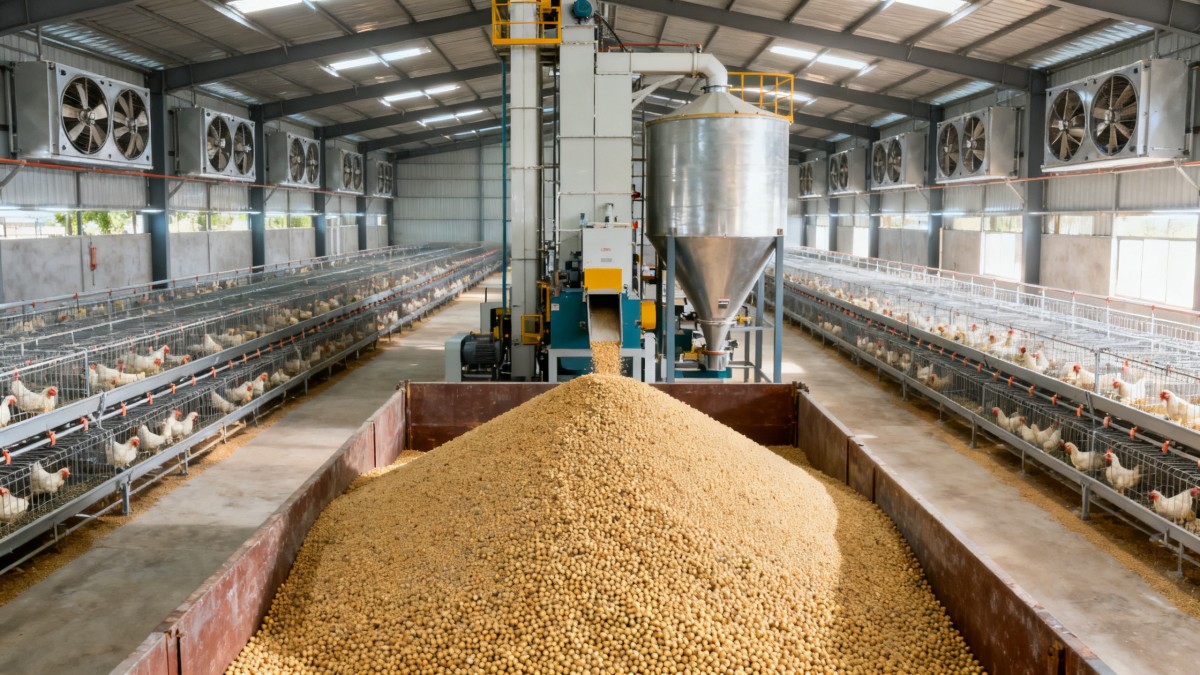
What Has Been Confirmed So Far
Based on the provided information, Indonesia’s government has announced a subsidy covering 250,000 tons of imported soybeans. The stated purpose is to stabilize supply for the country’s feed processing sector and for livestock and poultry production.
The same information indicates that this move may increase procurement concentration in Southeast Asia for China-sourced Commercial Feed Pellet, Poultry Housing & Caging, and Climate Control & Ventilation systems. It also states that lower-priced soybean meal is linked to stronger expansion willingness among local feed mills, alongside rising import demand for automated feeding systems, environmental control and ventilation units, and intelligent caging equipment.
Why the Impact Extends Beyond Soybeans
Feed manufacturers may become the first transmission point
From an industry perspective, feed processors are the most direct link between lower soybean-related input costs and downstream equipment demand. If soybean meal becomes more cost-supportive for production planning, the operational impact is likely to show up first in capacity utilization, expansion discussions, and equipment procurement timing.
What deserves closer attention is whether purchasing decisions shift from raw-material management into fixed-equipment investment. That transition matters for suppliers serving pellet processing lines and related plant upgrades.
Livestock and poultry operators may reassess production setups
For livestock and poultry producers, the relevance lies in supply stability and the possibility of more predictable feed availability. Analysis shows that when feed-side conditions improve, interest can rise in production efficiency tools such as automated feeding, caging systems, and climate control equipment.
The effect, however, should not be treated as automatic. Operators and their suppliers still need to watch whether cost relief at the feed level is strong enough to translate into actual facility procurement or replacement cycles.
Equipment exporters and channel partners face a more concentrated buying pattern
The provided information specifically points to stronger procurement concentration in Southeast Asia for China-made Commercial Feed Pellet, Poultry Housing & Caging, and Climate Control & Ventilation systems. For exporters, distributors, and project intermediaries, the commercial implication is not simply higher interest, but potentially more focused demand around a narrower group of equipment categories.
This means the business impact may appear in quotation activity, model selection, delivery coordination, and technical communication rather than in raw demand alone. Companies in these roles should pay close attention to whether inquiries increasingly bundle feed processing and farm-environment systems together.
What Companies Should Watch Now
Follow policy wording and implementation details separately
Analysis shows that the announcement itself is only one layer of the story. Companies should distinguish between the headline policy signal and the practical rules that determine how the subsidy affects procurement behavior, customer budgets, and project timing.
Track which product categories move first
What deserves closer attention is whether demand appears first in Commercial Feed Pellet equipment, in poultry housing and caging systems, or in Climate Control & Ventilation units. The order of movement can reveal whether buyers are prioritizing feed processing expansion, farm efficiency upgrades, or integrated investment plans.
Prepare for documentation and delivery discussions early
Where import demand rises, execution risks often shift to product specifications, supporting documents, lead times, and customer confirmation cycles. For suppliers and service partners, the practical issue is being ready for faster communication on technical parameters, compliance materials, and shipment scheduling.
Keep customer communication grounded in verified developments
Because the provided information does not include detailed official rules or a confirmed timeline, market communication should remain cautious. Companies should avoid presenting expected demand growth as a completed outcome and instead frame discussions around observable policy direction and customer-side interest.
How This Signal Is Best Understood
Observably, this is more than a raw-material update, because it connects feed input costs with potential equipment purchasing behavior across the livestock production chain. At the same time, it is more appropriate to understand this as an industry signal rather than a finalized market result.
Analysis shows that the strongest value of this development lies in what it may trigger: feed mill expansion interest, more concentrated sourcing patterns, and closer linkage between feed economics and farm equipment imports. Whether those links become sustained orders still requires continued observation.
What This Means for the Industry Now
At this stage, the soybean subsidy should be read as a development with cross-segment relevance: it touches feed inputs, processing capacity decisions, livestock production planning, and equipment sourcing trends at the same time. The industry significance lies in the connection between lower soybean meal costs and the possibility of expanded demand for processing, feeding, housing, and ventilation systems.
A neutral reading is the most appropriate one for now. The policy points to a short-term operational catalyst and possibly a broader demand signal, but the extent of actual purchasing conversion still needs to be verified through follow-up developments.
About the Information Basis
This article is generated from the user-provided news title, the note that the event timing was not specified, and the supplied event summary. The specific official source link was not provided in the input, so further verification is still needed.
For this type of development, the categories of sources typically worth checking next include official government announcements, company notices, industry association updates, authoritative media coverage, and relevant standards or technical documentation. Continued attention should focus on any follow-up policy wording, implementation rules, and whether procurement interest translates into confirmed orders across the named equipment categories.
Related Intelligence
- Commercial Feed PelletFire Quickly Extinguished in Grinder Bin at Baiada’s Cardiff Feed Mill in AustraliaBaiada’s Cardiff feed mill fire was reportedly contained quickly. Explore grinder bin safety, restart uncertainties and key supply continuity checks for feed buyers.
- Commercial Feed PelletHow to Build a Sanitary Feed Production Plan That Reduces Cross-ContaminationSanitary feed production planning: reduce cross-contamination with smarter sequencing, validated flushing, material segregation, and traceable sanitation controls.
- Commercial Feed PelletFeed Pellet Mill Sourcing: How to Vet Suppliers for Capacity, Quality, and SupportFeed pellet mill sourcing made smarter: vet suppliers for proven capacity, pellet quality, lifecycle cost, factory controls, commissioning, and reliable after-sales support.
The Morning Broadsheet
Daily chemical briefings, market shifts, and peer-reviewed summaries delivered to your terminal.
