

The Authority in Global Agricultural Chemistry & Bio-Resources
How to Evaluate High Efficiency Pellet Systems for Lower Energy and Operating Costs
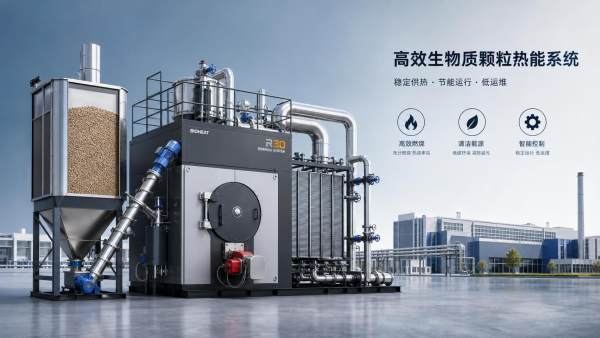
Why do high efficiency pellet systems deserve closer evaluation?
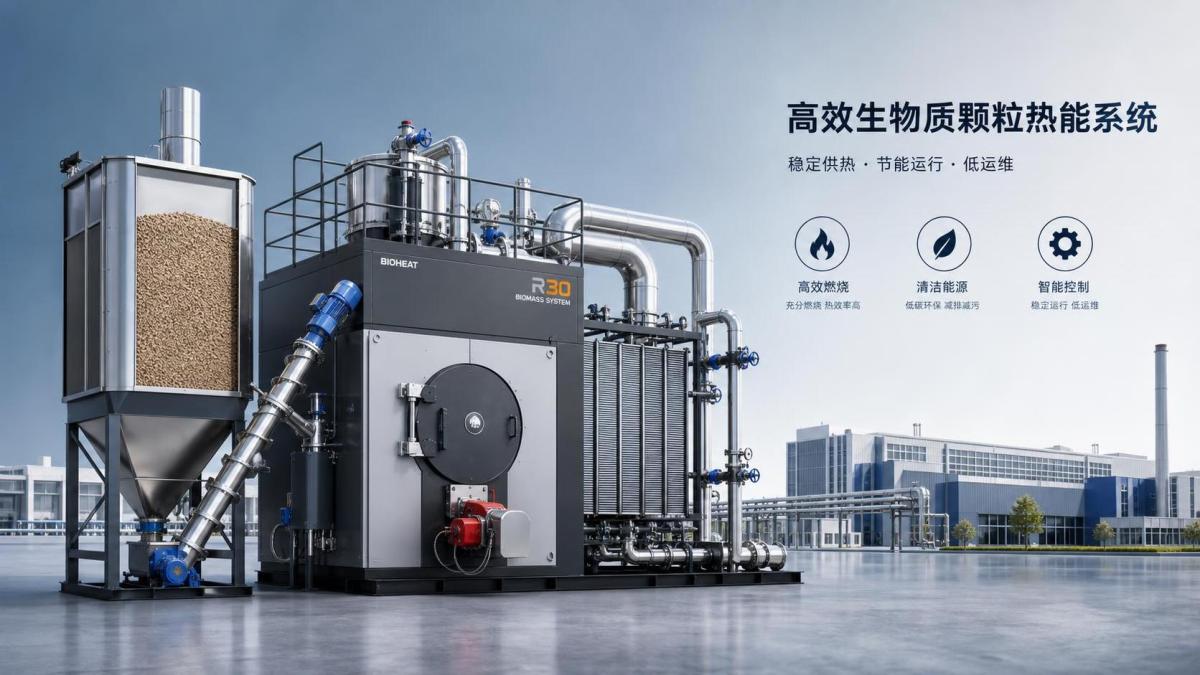
Energy prices rarely stay predictable. That is why high efficiency pellet systems attract attention well beyond heating applications.
In grain processing, bio-extracts, farm operations, and primary manufacturing, thermal equipment directly shapes operating cost.
The real question is not whether a system burns pellets. It is whether it converts fuel into stable, usable heat with limited waste.
That distinction matters when evaluating bids across regulated and cost-sensitive supply chains.
A lower purchase price can hide weaker combustion control, inconsistent output, and higher ash-related downtime.
A stronger system usually shows value through thermal efficiency, predictable feed rates, cleaner emissions, and easier servicing.
In practical terms, high efficiency pellet systems should help lower fuel consumption per unit of heat delivered.
They should also reduce labor hours, unplanned stoppages, and part replacement frequency.
This is especially relevant in sectors followed closely by AgriChem Chronicle, where technical validation and compliance credibility influence buying decisions.
So when buyers compare options, the useful lens is total operating performance, not brochure efficiency alone.
What separates a credible pellet system from a merely efficient-looking one?
Many systems advertise high output. Fewer explain how that output is sustained under real fuel and workload variation.
A credible evaluation starts with combustion design. Look for controlled air-to-fuel ratios, stable ignition, and responsive modulation.
These factors determine whether the unit can maintain efficiency when pellet quality shifts slightly between batches.
Heat exchanger design is another dividing line. Better surfaces recover more usable heat and reduce stack losses.
Feed mechanisms also deserve attention. Poor auger control can create uneven burn patterns and excessive residue.
More reliable high efficiency pellet systems usually include:
- Automated combustion adjustment based on load demand
- Sensors for temperature, draft, and burn stability
- Ash handling that limits shutdown frequency
- Clear maintenance access to burners and exchangers
- Documented efficiency data under defined test conditions
Need to be careful here. Claimed efficiency percentages are only useful when test methods and fuel assumptions are disclosed.
If a supplier cannot explain performance at partial load, that is a material gap.
In most industrial settings, equipment spends meaningful time below peak demand.
Which cost drivers have the biggest impact after installation?
Fuel is the obvious line item, but it is not the only one that changes the business case.
Operating cost often rises through a combination of hidden penalties: excess cleaning, unstable throughput, poor controls, and service delays.
A useful way to compare high efficiency pellet systems is to map where money is actually spent over three to seven years.
This comparison table works best when matched with site-specific production cycles.
For example, seasonal agricultural loads differ from continuous process heating in fine chemical operations.
That is why a generic payback estimate is rarely enough.
How should pellet quality, compliance, and documentation influence the buying decision?
A pellet system cannot outperform poor fuel for long. Fuel consistency is part of system efficiency, not a separate issue.
Moisture, ash content, bulk density, and fines affect combustion stability and residue formation.
In actual use, many underperforming installations come from a mismatch between equipment tolerance and available pellet supply.
Ask whether the proposed high efficiency pellet systems are optimized for premium pellets only, or for broader commercial grades.
Documentation matters just as much. In regulated industries, technical claims should be traceable and audit-friendly.
The stronger suppliers usually provide test reports, emissions data, operating manuals, and commissioning records in a structured format.
This level of discipline aligns with the kind of evidence-based sourcing standards often highlighted by AgriChem Chronicle.
Where environmental or site permits apply, it is prudent to confirm compatibility with local emissions rules before final approval.
If the site serves food, feed, or chemical production, cleaner handling and ash management should receive extra weight.
- Confirm pellet specification ranges in writing
- Request emissions and safety documentation
- Verify startup, shutdown, and alarm procedures
- Check whether local service teams are trained on the control system
Where do buyers most often misjudge high efficiency pellet systems?
One common mistake is treating nameplate efficiency as the full answer.
A system can test well in controlled conditions and still perform poorly in a dusty, variable, labor-constrained facility.
Another misstep is underestimating maintenance design. Access panels, ash removal, and sensor placement influence daily usability.
The easier the unit is to maintain, the more likely it will retain its expected performance.
There is also a tendency to separate equipment choice from supply chain resilience.
That can be risky in industries managing volatile biomass inputs or cross-border component sourcing.
A more grounded evaluation includes vendor stability, spare parts planning, and response time for technical support.
It helps to ask short, practical questions:
- What happens if pellet moisture rises above normal range?
- How many hours of labor are needed weekly for cleaning?
- Which components fail most often after two years?
- How is performance monitored after commissioning?
These questions often reveal more than polished marketing claims.
What is a practical next step before shortlisting suppliers?
Start by defining the heat duty, load variation, pellet specification, and acceptable downtime.
Without that baseline, even reputable high efficiency pellet systems are difficult to compare fairly.
Then build a simple evaluation sheet covering efficiency evidence, fuel tolerance, maintenance burden, controls, compliance, and total cost.
Shortlists become more reliable when each supplier responds to the same operating assumptions.
Where possible, review reference installations with similar duty cycles rather than only similar output ratings.
That is usually the fastest way to judge whether projected savings will survive real operating conditions.
The strongest decisions usually come from combining technical data, service readiness, and realistic fuel economics.
In other words, evaluate the system as part of an operating environment, not as a standalone machine.
That approach gives a clearer path to lower energy use, steadier output, and better long-term operating costs.
Before moving forward, organize internal performance requirements, compare supplier evidence side by side, and confirm the assumptions behind every savings claim.
Related Intelligence
- Commercial Feed PelletFire Quickly Extinguished in Grinder Bin at Baiada’s Cardiff Feed Mill in AustraliaBaiada’s Cardiff feed mill fire was reportedly contained quickly. Explore grinder bin safety, restart uncertainties and key supply continuity checks for feed buyers.
- Commercial Feed PelletHow to Build a Sanitary Feed Production Plan That Reduces Cross-ContaminationSanitary feed production planning: reduce cross-contamination with smarter sequencing, validated flushing, material segregation, and traceable sanitation controls.
- Commercial Feed PelletFeed Pellet Mill Sourcing: How to Vet Suppliers for Capacity, Quality, and SupportFeed pellet mill sourcing made smarter: vet suppliers for proven capacity, pellet quality, lifecycle cost, factory controls, commissioning, and reliable after-sales support.
The Morning Broadsheet
Daily chemical briefings, market shifts, and peer-reviewed summaries delivered to your terminal.
