

The Authority in Global Agricultural Chemistry & Bio-Resources
When is Feed & Grain processing equipment worth upgrading?
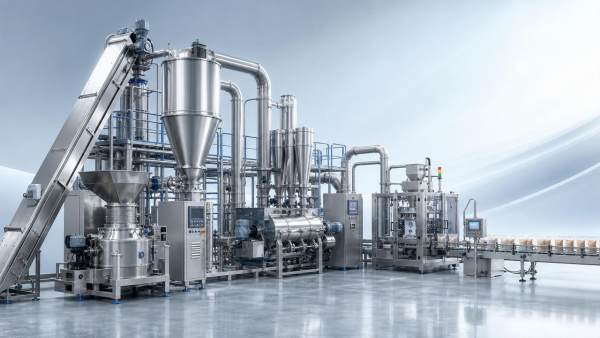
Knowing when Feed & Grain processing equipment is worth upgrading can reshape output, compliance, energy use, and margin control.
In primary processing, equipment decisions influence product consistency, labor efficiency, and supply continuity across multiple downstream industries.
The real question is not whether machinery is old.
It is whether current Feed & Grain processing equipment still supports modern throughput targets, traceability demands, and cost discipline.
For facilities handling grains, pellets, premixes, or bulk feed ingredients, upgrades become valuable when measurable operational gaps start appearing repeatedly.
What Feed & Grain processing equipment upgrades usually involve
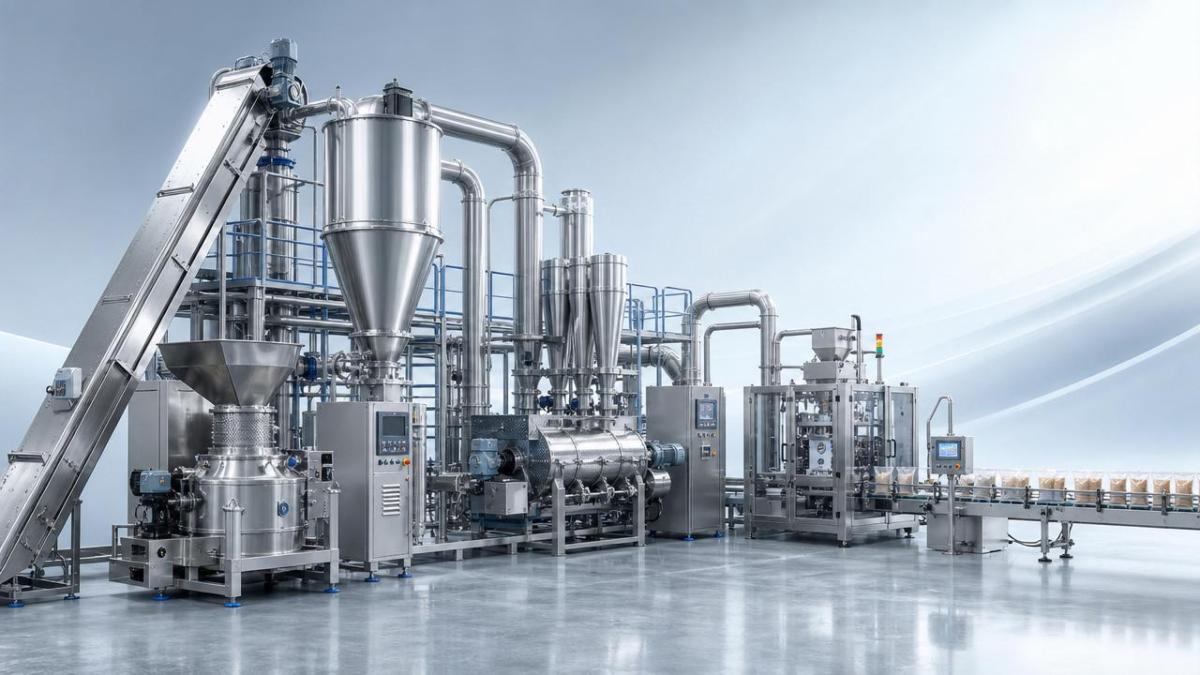
Feed & Grain processing equipment covers intake, cleaning, conveying, grinding, mixing, pelleting, drying, cooling, screening, dosing, and packaging systems.
An upgrade may mean replacing a single bottleneck machine.
It may also include controls, sensors, dust handling, automation software, and line integration that improve overall plant performance.
In many sites, the strongest return comes from partial modernization rather than full replacement.
Examples include variable frequency drives, automated batching, inline moisture monitoring, and more efficient hammer mills or pellet presses.
The value of upgrading Feed & Grain processing equipment depends on how those changes affect output quality, downtime, waste, and regulatory exposure.
Current industry signals shaping upgrade decisions
Across the broader industrial landscape, primary processing operations face tighter cost pressure and stronger documentation requirements.
That environment raises the importance of efficient Feed & Grain processing equipment with better data visibility and process control.
These signals do not automatically justify capital expenditure.
They do, however, indicate when existing Feed & Grain processing equipment should be audited against modern operating benchmarks.
Practical indicators that upgrading is worth consideration
The strongest case for upgrading appears when multiple performance issues persist despite routine maintenance.
Single failures can be repaired.
Recurring inefficiency usually signals a structural limitation in the Feed & Grain processing equipment itself.
- Frequent unplanned downtime affecting production schedules
- Rising maintenance spend with no lasting performance improvement
- Energy use per ton trending upward over several quarters
- Inconsistent particle size, pellet durability, or moisture levels
- Long changeover times between formulations or grain types
- Dust losses, spillage, or poor housekeeping around transfer points
- Weak integration with ERP, batching, or traceability systems
- Difficulty meeting updated environmental or food safety expectations
When three or more indicators occur together, the conversation should move from repair budgeting to lifecycle economics.
That shift often reveals that upgraded Feed & Grain processing equipment can reduce total operating cost more than expected.
Business value beyond replacement cost
An upgrade decision should be tested against business outcomes, not only machine price.
Modern Feed & Grain processing equipment can create value in several connected ways.
Throughput and bottleneck relief
A faster grinder or pelleting system can increase line capacity, but only if upstream and downstream assets can support the change.
The best upgrades remove the actual bottleneck rather than the most visible machine.
Quality stability
Improved dosing accuracy, temperature control, and screen performance help maintain repeatable output specifications.
That matters where customer acceptance depends on uniformity and reduced deviation.
Energy and utility efficiency
Many older Feed & Grain processing equipment lines consume excess power because of worn components, inefficient drives, or poor airflow design.
Upgrades can lower power draw per ton and reduce heat losses or compressed air waste.
Compliance and traceability
Automated logs, alarms, and recipe controls support cleaner audit trails.
That is increasingly important across regulated agricultural and primary processing supply chains.
Risk reduction
Spare parts shortages, legacy controls, and obsolete software create hidden operational risk.
Replacing vulnerable Feed & Grain processing equipment can strengthen continuity during volatile sourcing conditions.
Typical upgrade scenarios across feed and grain operations
Not every plant has the same trigger points.
The right Feed & Grain processing equipment strategy depends on process type, product mix, and growth plans.
This process-specific view prevents overinvestment.
It also helps prioritize Feed & Grain processing equipment that improves the most constrained value driver first.
How to assess upgrade timing with discipline
Good timing depends on evidence.
Before committing to new Feed & Grain processing equipment, it is useful to review both technical performance and financial implications.
- Map the full process and identify the true bottleneck.
- Compare current output, downtime, waste, and energy against recent plant averages.
- Estimate the cost of maintaining legacy equipment for another three to five years.
- Review spare part availability and control system obsolescence.
- Model payback using production gains, labor savings, and quality improvements.
- Include installation downtime, operator training, and commissioning risks.
This framework keeps upgrade discussions grounded in total value.
It also clarifies whether Feed & Grain processing equipment modernization should be phased or executed in one project window.
Key cautions before selecting new systems
A technically advanced solution is not always the best fit.
The wrong Feed & Grain processing equipment can add complexity without solving the underlying constraint.
- Avoid sizing equipment only for peak demand if normal utilization stays far lower.
- Check compatibility with existing conveyors, bins, utilities, and control architecture.
- Confirm local service support, spare parts lead times, and operator training availability.
- Assess cleaning access, sanitation design, and dust management requirements early.
- Require documented performance data rather than broad capacity claims.
These checkpoints help protect return on investment.
They also ensure upgraded Feed & Grain processing equipment supports stable, scalable operation after installation.
A practical next step for upgrade planning
Feed & Grain processing equipment is worth upgrading when the cost of staying unchanged becomes larger than the cost of improvement.
That tipping point often appears through recurring downtime, rising utilities, quality drift, or compliance friction.
A useful next step is to conduct a structured equipment audit across throughput, energy, maintenance, safety, and traceability metrics.
With that baseline, upgrade priorities become clearer, and capital allocation can be linked to measurable operational outcomes.
In a market shaped by efficiency pressure and tighter standards, timely investment in Feed & Grain processing equipment can strengthen resilience as much as productivity.
Related Intelligence
- Milling MachineryCan Agricultural Scientists Validate Grain Processing Machinery?Can agricultural scientists validate process machinery performance? Discover how grain equipment testing verifies throughput, quality, and efficiency before you invest.
- Milling MachineryGrain Processing Explained: From Cleaning and Milling to Finished Product QualityGrain Processing explained: discover how cleaning, conditioning, milling, and quality control turn raw grain into safe, consistent flour, feed, and food ingredients.
- Milling MachineryGerman Grain Processing Plants: Evaluating Automation and Energy-Efficiency UpgradesGrain processing Germany: evaluate automation and energy-efficiency upgrades to improve throughput, quality, safety, and lifecycle value.
The Morning Broadsheet
Daily chemical briefings, market shifts, and peer-reviewed summaries delivered to your terminal.
