

The Authority in Global Agricultural Chemistry & Bio-Resources
Bulk Panko Packaging: Moisture Control for Export Buyers
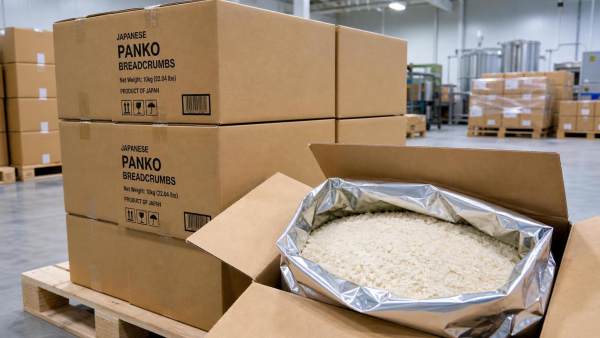
Bulk panko buying is not only a flavor or texture decision. For export buyers, industrial kitchens, frozen-food producers, and distributors, packaging can decide whether the crumb arrives dry, free-flowing, odor-neutral, and ready for production. A strong sample can disappoint if the bag does not protect the product through warehouse handling, sea freight, humidity, pallet movement, and repeated opening during use.
The Spanish query pan rallado para la industria alimentaria points to an industrial-use question rather than a household cooking question. Buyers are usually asking whether a breadcrumb or panko product can serve a production line, foodservice distributor, frozen-food brand, or private-label project. The answer depends on product fit, but it also depends on how the supplier manages pack size, inner liner, carton strength, label detail, shelf-life communication, and moisture-control discipline.
Why Packaging Belongs in the Buying Decision
Breadcrumbs and panko-style crumbs are dry ingredients with a large exposed surface area. That is useful for coating texture, but it also means they need protection from humid air, package damage, foreign odor, and rough handling. If the crumb absorbs moisture, it may clump, lose flowability, or create a heavier crust after cooking. If the packaging is crushed, particle shape can be damaged before the product reaches the buyer's line.
For export orders, the product may pass through several stages: factory storage, inland transport, container loading, port handling, ocean freight, customs inspection, destination warehouse, distributor transfer, and final production use. Each stage creates opportunities for carton compression, water exposure, odor transfer, or mislabeling. A purchasing decision should therefore treat packaging as part of the product specification, not as a secondary shipping detail.
Define the Industrial Application First
Before asking for a quote, buyers should define where the bulk panko will be used. Fried chicken processors may need a visible, light-textured crumb with stable pickup in breading lines. Seafood packers may prefer a cleaner color and delicate bite. Central kitchens may focus on pack size, easy opening, and predictable portioning. Foodservice distributors may need carton labels that make stock rotation and warehouse handling easier.
A clear application profile helps the supplier recommend a sensible packaging format. The best option for small restaurant tubs may not fit a frozen-food plant. A very large bag may reduce packaging cost but increase opened-bag exposure if the buyer uses the product slowly. A smaller pack may cost more per unit but reduce waste, moisture risk, and handling errors. Purchasing teams should compare packaging choices by total use conditions, not only by unit price.
Moisture-Control Questions for Suppliers
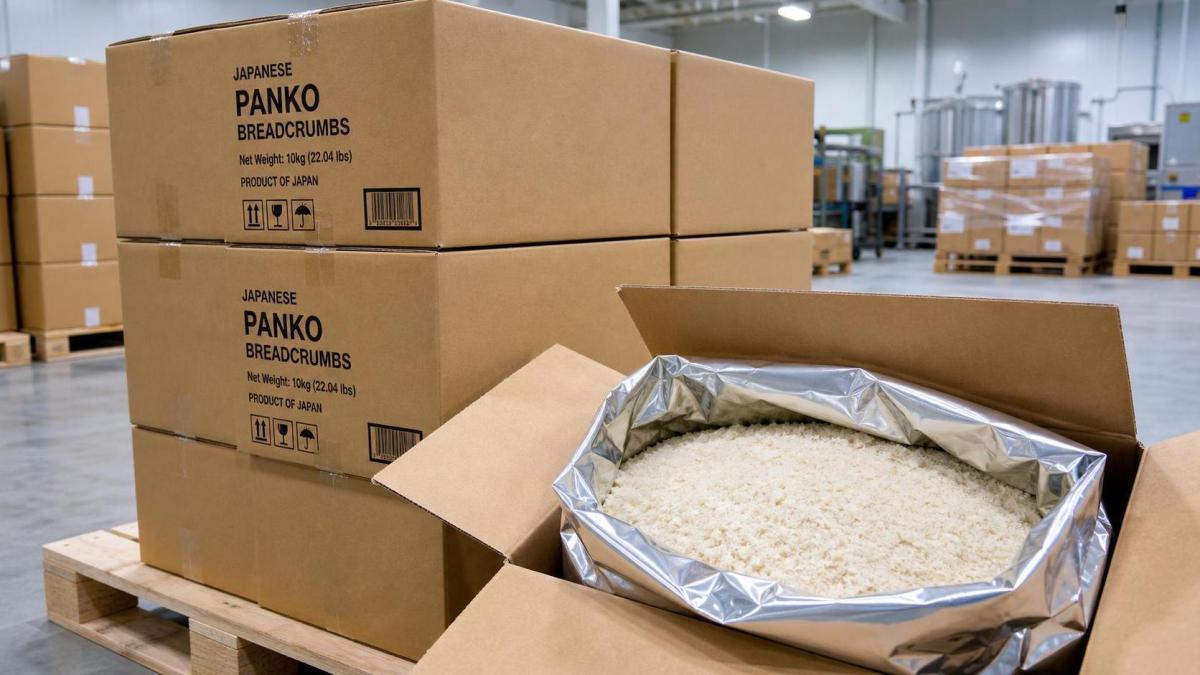
Moisture protection begins before the product is packed. Buyers can ask how the supplier controls dryness before packing, what inner packaging is used, whether the bag is sealed in a way that resists normal transport handling, and how the carton protects the inner bag. The supplier should also provide storage guidance that the buyer can pass to warehouses, kitchens, or production teams.
When evaluating Japanese Needle-Shaped Bread Panko for bulk purchasing, ask about packaging structure, available pack sizes, label options, and storage instructions. A buyer sourcing pan rallado para la industria alimentaria needs a product that can survive real industrial handling, not only a product that looks good in a small sample bag.
Packaging Specification Checklist
Documentation for Export Buyers
Documentation should be discussed before order confirmation. Buyers may need ingredient information, allergen details, storage instructions, shelf-life statement, product specification, packing list details, label confirmation, and destination-market documents required by their channel. The exact list depends on the buyer's country, customer type, and distribution route. A supplier should not invent certifications or promise documents that do not apply to the product.
For procurement teams, the practical question is whether documents match the actual goods. Product name, packaging size, lot coding, label text, and carton count should be consistent across the quotation, sample approval, invoice, packing list, and shipment. Small mismatches can delay receiving, customs review, or internal quality approval. A good purchasing process checks these details before goods leave the supplier's facility.
Supplier Evaluation Before Bulk Orders
A supplier should be evaluated on sample quality and order execution. Sample approval confirms that the crumb profile can work for the buyer's product. Bulk-order evaluation confirms that the supplier can repeat that profile, pack it properly, label it correctly, and communicate clearly during production and shipment. Both parts matter.
Ask how the supplier keeps reference samples, how it checks particle appearance, how it manages packaging materials, and how it handles buyer-specific label requirements. For repeat orders, retained samples can help compare texture, color, odor, and flow behavior. If a later order looks different, retained samples give both sides a practical reference for discussion.
Receiving and Warehouse Controls
Moisture control does not end when the supplier ships the product. The buyer's receiving and warehouse teams should inspect cartons for water marks, broken seals, crushed corners, odor exposure, and incorrect labels. If a container arrives with condensation or damaged cartons, the issue should be documented before the product enters normal stock.
Warehouses should store bulk panko in dry, clean areas away from chemicals, strong-smelling ingredients, wet rooms, and direct floor contact. Stock should rotate by lot and date. Opened bags should be handled according to internal procedures and supplier guidance. These controls are ordinary, but they turn packaging promises into real product protection.
Purchasing Decision Workflow
- Define the industrial application: fried chicken, seafood, snacks, central kitchen, distributor supply, or private label.
- Request samples that represent normal production, not only showcase samples.
- Test the crumb in the buyer's actual coating, cooking, holding, or freezing workflow.
- Confirm pack size, inner liner, carton strength, pallet configuration, and label requirements.
- Review storage guidance and opened-pack handling rules with the supplier.
- Check ingredient, allergen, shelf-life, and export documentation before order confirmation.
- Approve a written specification that includes product, packaging, label, and shipment details.
- Inspect receiving condition and keep retained samples for repeat-order comparison.
Cost Should Be Compared With Handling Risk
Bulk packaging often attracts attention because larger packs may appear more economical. However, the lowest packaging cost is not always the lowest total cost. If large packs remain open for too long, the buyer may lose product through clumping, dust, odor absorption, or inconsistent coating performance. If cartons are weak, damage claims and receiving delays may offset any savings.
Buyers should compare total handling risk: how fast the pack is used, how the warehouse stores it, how staff transfer it to the line, and how much product is lost when quality changes. The best purchasing decision is the one that protects the crumb's function through the entire route from supplier to finished food.
FAQ
What should export buyers check first when buying bulk panko?
Start with the application and packaging format. The product should match the finished food, while the pack should protect dryness, shape, labeling, and traceability during transport and warehouse handling.
Why is moisture control so important for panko?
Moisture can reduce flowability, encourage clumping, and affect crisp texture after cooking. Dry storage and protective packaging help preserve performance.
Does a larger pack always reduce cost?
Not always. Larger packs may reduce packaging cost, but they can increase opened-pack exposure if the buyer uses the product slowly. Compare cost with handling and waste risk.
What documents are useful for industrial breadcrumb purchasing?
Buyers often review ingredient information, allergen details, product specification, storage guidance, shelf-life statement, label details, and shipping documents required by the sales channel.
How should buyers approach pan rallado para la industria alimentaria?
Treat it as an industrial ingredient decision. Check application fit, packaging protection, storage rules, documentation, and supplier repeatability before confirming bulk orders.
Editorial Review Note
This article is intended as buyer-facing guidance for industrial food, grain-processing, coating, and export sourcing teams. It avoids fabricated prices, unsupported logistics claims, and invented certification statements. Final publication should be checked against the destination portal's house style before upload.
Related Intelligence
- Milling MachineryCan Agricultural Scientists Validate Grain Processing Machinery?Can agricultural scientists validate process machinery performance? Discover how grain equipment testing verifies throughput, quality, and efficiency before you invest.
- Milling MachineryGrain Processing Explained: From Cleaning and Milling to Finished Product QualityGrain Processing explained: discover how cleaning, conditioning, milling, and quality control turn raw grain into safe, consistent flour, feed, and food ingredients.
- Milling MachineryGerman Grain Processing Plants: Evaluating Automation and Energy-Efficiency UpgradesGrain processing Germany: evaluate automation and energy-efficiency upgrades to improve throughput, quality, safety, and lifecycle value.
The Morning Broadsheet
Daily chemical briefings, market shifts, and peer-reviewed summaries delivered to your terminal.
