

The Authority in Global Agricultural Chemistry & Bio-Resources
EU Rule Takes Effect for Botanical Extract Declarations
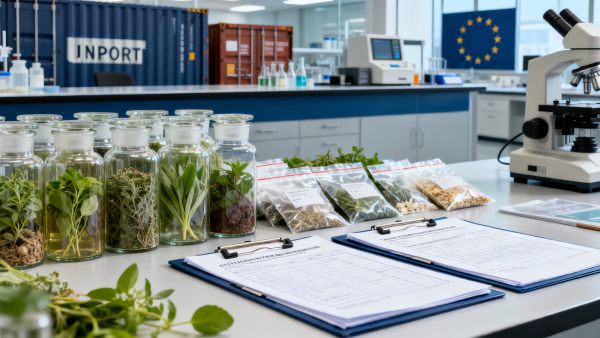
On July 15, 2026, the European Chemicals Agency (ECHA) put a new compliance transition requirement into effect for Botanical Extracts entering the EU. From that date, products shipped to the European market must complete a substance declaration in the REACH-IT system, and the rule is immediately relevant to raw material importers, dietary supplement manufacturers, and Chinese exporters managing customs timing and document preparation. For the industry, the development matters because it shifts compliance from a supporting paperwork task to a direct condition for port acceptance.
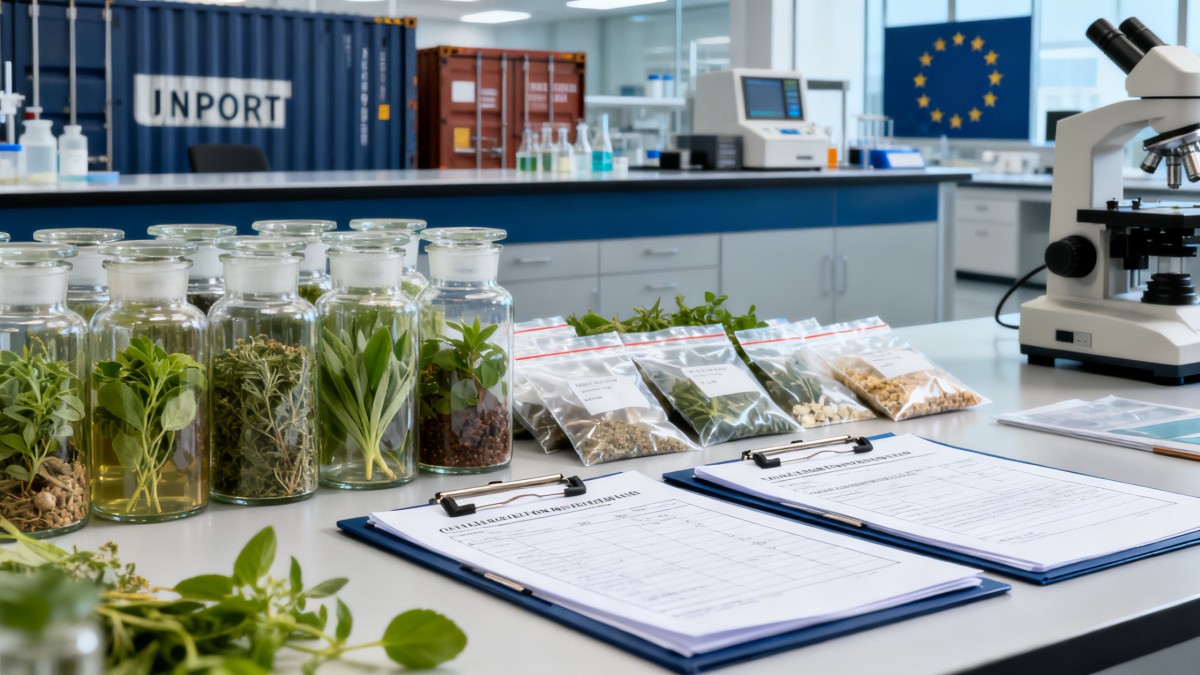
What the new filing requirement confirms
According to the information provided, ECHA has formally issued a supply chain compliance transition directive for plant extracts. As of July 15, 2026, all Botanical Extracts exported to the EU must submit a complete substance declaration through REACH-IT. The required declaration includes the CAS number, purity profile, solvent residue information, and proof of traceability for the botanical source. Products that are not declared will be refused at port entry.
Where the pressure is likely to appear first
Import-side document control becomes a frontline issue
From an industry perspective, importers of botanical raw materials are likely to feel the impact first because the new requirement is tied directly to whether goods can be accepted at the port. The immediate pressure point is no longer only product movement, but the completeness and readiness of declaration materials before arrival.
Supplement manufacturing schedules may face upstream delays
Dietary supplement manufacturers may be affected when extract inputs depend on timely customs clearance. Analysis shows that even when manufacturing demand remains unchanged, incomplete declarations at the ingredient stage could affect material availability, delivery planning, and coordination with suppliers.
Chinese exporters need closer control of submission readiness
For Chinese exporters shipping Botanical Extracts to the EU, the main issue is likely to be the preparation and consistency of compliance documents. What deserves closer attention is whether the required substance information and botanical traceability proof can be assembled in a form suitable for REACH-IT submission before shipment reaches the EU border.
Practical points companies should watch now
Check whether product files match the declared data fields
Analysis shows that companies involved in EU-bound shipments should pay close attention to whether existing product files already cover the required elements: CAS number, purity profile, solvent residue details, and botanical source traceability proof. The rule, as described, makes these items central to admissibility.
Separate filing readiness from general compliance assumptions
What deserves closer attention is the distinction between broad compliance confidence and actual REACH-IT filing readiness. A product may already circulate in cross-border trade, but the information provided here indicates that declaration completion itself has become a specific operational checkpoint.
Review shipment timing and customs communication
Observably, companies should focus on shipment schedules and customs-related communication because undeclared products face refusal at port. That makes timing, internal review, and partner coordination more important in the period around dispatch and arrival.
Monitor any further official clarification
It is also reasonable to watch for any follow-up official wording or procedural clarification from the relevant authority. The current information confirms the declaration requirement and consequence for non-declared goods, but businesses still need to monitor whether additional operational guidance appears around filing practice and documentation handling.
Why this looks like more than a short-term paperwork change
Observably, this development is not just a minor administrative adjustment. The information provided points to a stricter link between substance-level disclosure and market entry for Botanical Extracts. At the same time, it is more appropriate to understand this as a compliance implementation signal with immediate operational consequences, rather than as a complete picture of all future regulatory impacts. Continued attention is warranted because the practical burden will depend on how consistently supply chain participants can prepare and align the required declarations.
How the market should read this update
From an industry perspective, the main significance of this update is clear: for EU-bound Botanical Extracts, substance declaration has become a gatekeeping requirement tied directly to customs acceptance. The most balanced reading is that this is already an effective near-term operational change, while its broader long-term effects on sourcing, lead times, and supplier coordination still need to be observed through implementation.
Basis of this article and what still needs verification
This article is based on the user-provided news title, event date, and event summary. For this type of industry update, source categories typically worth checking include official regulatory notices, company announcements, industry association updates, authoritative media reporting, and standard-setting documents. A specific official source link was not provided in the input, so further verification remains necessary. Continued attention should focus on any later official clarification, filing practice details, and implementation-related updates affecting customs processing and document preparation.
Related Intelligence
- Botanical ExtractsChoosing Botanical Extracts for Pharmaceuticals: Potency, Purity, and ComplianceBotanical extracts for pharmaceuticals: learn how to assess potency, purity, traceability, and GMP compliance for confident, regulatory-ready supplier selection.
- Botanical ExtractsBotanical Extracts Market Outlook: Supply, Pricing, and Buyer RisksBotanical extracts market insights on supply, pricing, quality control, and buyer risks—compare suppliers confidently and protect your sourcing strategy.
- Botanical ExtractsEurope Botanical Extracts Market: Key Growth Drivers, Risks, and OpportunitiesEurope botanical extracts market insights: explore growth drivers, regulatory risks, supply-chain challenges, and scalable opportunities for compliant, high-value ingredients.
The Morning Broadsheet
Daily chemical briefings, market shifts, and peer-reviewed summaries delivered to your terminal.
