

The Authority in Global Agricultural Chemistry & Bio-Resources
Is a Paddy Husker Machine Worth Upgrading in 2026?
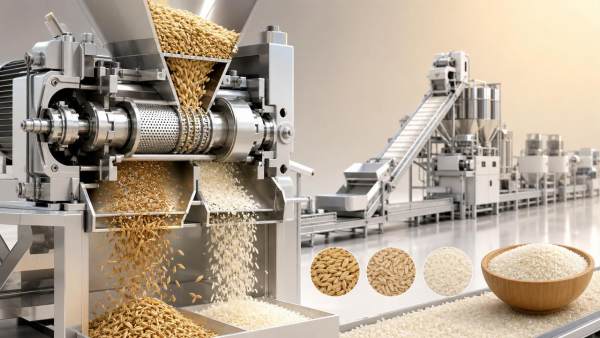
As rice processors face rising energy costs, tighter quality standards, and growing pressure to improve yield, the decision to upgrade a paddy husker machine in 2026 deserves careful commercial evaluation.
For enterprise buyers, the question is not simply whether newer equipment is faster, but whether it can reduce grain breakage, stabilize output, support compliance, and deliver measurable ROI across the processing line.
This article examines the operational and procurement factors that determine whether an upgrade is truly worth it.
Is a Paddy Husker Machine Upgrade Necessary in 2026?
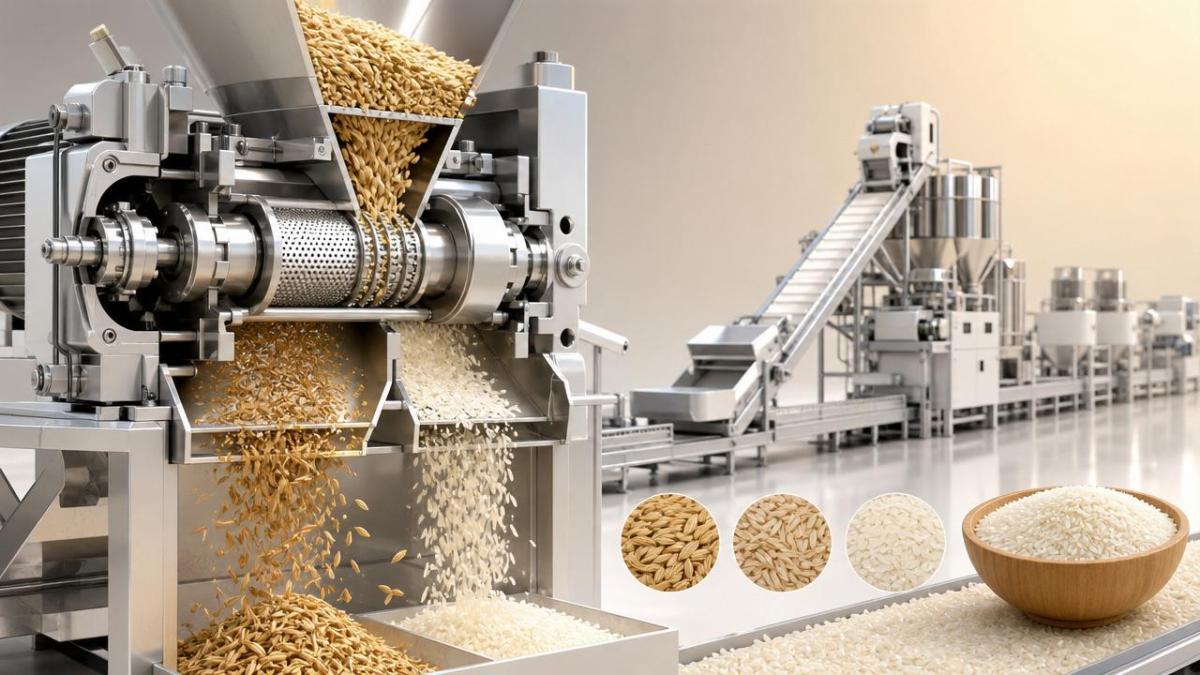
A paddy husker machine removes the husk from paddy rice before whitening, grading, and polishing.
Its performance directly affects head rice yield, broken grain ratio, downstream load, and finished product consistency.
In 2026, the upgrade question is sharper because operating conditions are changing quickly.
Electricity prices remain volatile, skilled labor is harder to retain, and premium rice markets demand cleaner separation.
Older husking systems may still run, but hidden losses often accumulate in breakage, downtime, and reprocessing.
A new paddy husker machine can offer better pressure control, improved rubber roll utilization, and more stable feed distribution.
However, replacement is not automatically justified.
The decision should compare technical gains against installation cost, maintenance needs, staff training, and payback period.
When does the case become urgent?
- Broken rice exceeds internal targets during normal operation.
- Rubber rolls wear unevenly or too quickly.
- Frequent adjustments are needed between varieties.
- The machine causes bottlenecks in the rice mill.
- Energy use per ton keeps increasing.
If two or more signs are present, a paddy husker machine audit should be scheduled before the next major harvest cycle.
What Performance Gains Should a New Paddy Husker Machine Deliver?
The strongest upgrade argument is usually yield protection.
Even a small improvement in head rice recovery can outweigh the machine cost over repeated production runs.
A modern paddy husker machine should separate husk efficiently while limiting pressure damage to the kernel.
Better feeding systems also reduce surging, which improves consistency across mixed paddy conditions.
In practical terms, performance should be measured through repeatable indicators, not promotional claims.
The best paddy husker machine for 2026 should also integrate smoothly with pre-cleaning, destoning, whitening, and sorting equipment.
A fast husker that overloads downstream sections may simply move the bottleneck elsewhere.
How Do Different Applications Affect the Upgrade Decision?
Not every rice processing site needs the same paddy husker machine configuration.
Variety, moisture content, daily throughput, and finished rice grade all influence the correct specification.
High-volume commercial milling
Large lines often benefit from automated feed control and durable roll systems.
For these sites, a paddy husker machine upgrade may reduce labor dependency and stabilize long shifts.
Specialty rice processing
Fragrant, organic, or premium rice often has higher sensitivity to kernel damage.
A gentler paddy husker machine can help maintain visual quality and improve marketable output.
Regional or seasonal operations
Seasonal sites may not need full automation if yearly hours are limited.
In these cases, refurbishing the existing paddy husker machine may deliver better capital efficiency.
Mixed-variety facilities
Facilities handling different paddy varieties need rapid adjustment and stable repeatability.
A paddy husker machine with accessible controls and reliable calibration can reduce changeover losses.
Should You Replace, Retrofit, or Keep the Existing Machine?
The right path depends on asset condition and production goals.
A full paddy husker machine replacement is strongest when mechanical wear affects core alignment and separation accuracy.
Retrofitting may work when the frame is sound, but controls, feeding parts, or safety features are outdated.
Keeping the current unit is reasonable when performance data remains stable and market requirements have not changed.
Before deciding, test the current paddy husker machine under normal paddy moisture and typical production load.
Short demonstration runs often hide problems that appear during sustained operation.
What Costs and ROI Factors Matter Most?
The purchase price of a paddy husker machine is only one part of the business case.
The full cost picture includes shipping, foundation work, electrical matching, commissioning, spare parts, and training.
ROI should be calculated with conservative assumptions.
Overstating capacity gains can create a payback estimate that fails in actual production.
Key ROI inputs
- Expected head rice yield improvement.
- Reduction in broken rice discount losses.
- Lower electricity consumption per ton.
- Reduced downtime and maintenance hours.
- Longer rubber roll service life.
- Higher consistency for premium orders.
A paddy husker machine upgrade is usually easier to justify when it improves both quality and throughput.
If the only benefit is higher speed, the downstream line must be evaluated carefully.
Typical implementation considerations
Installation should avoid peak processing periods whenever possible.
A staged commissioning plan reduces disruption and allows operators to compare old and new performance data.
Spare roll inventory should be prepared before startup.
Training should cover adjustment, cleaning, inspection, lockout procedures, and response to abnormal vibration.
What Risks and Mistakes Should Be Avoided?
A paddy husker machine can underperform when selected through capacity figures alone.
Real milling conditions involve uneven moisture, mixed grain sizes, husk variation, and changing operator habits.
Compatibility is another common risk.
The machine must match upstream cleaning efficiency and downstream separation capacity.
Common mistakes
- Choosing the lowest price without lifecycle costing.
- Ignoring paddy moisture variation during trials.
- Underestimating electrical and layout changes.
- Failing to verify spare part availability.
- Comparing machines without identical test conditions.
Compliance also deserves attention in 2026.
Food safety audits increasingly review equipment cleanliness, dust management, and maintenance documentation.
A well-designed paddy husker machine should support safer access, easier cleaning, and more traceable maintenance routines.
FAQ: How to Judge a Paddy Husker Machine Upgrade
The most reliable answer comes from a controlled trial using real paddy from daily production.
A paddy husker machine should be tested across the varieties and moisture ranges expected during the season.
Conclusion: Is the Upgrade Worth It?
A paddy husker machine upgrade in 2026 is worth considering when current losses are measurable and persistent.
The best investment case combines higher head rice recovery, lower breakage, reduced energy use, and improved operating stability.
Replacement is not the only route.
Retrofitting, maintenance correction, or process balancing may solve some problems at lower cost.
The next step is to benchmark the existing paddy husker machine against defined production targets.
Collect operating data, test candidate equipment, and calculate ROI using conservative assumptions.
A disciplined comparison will show whether upgrading protects margin, improves quality, and strengthens long-term rice processing resilience.
Related Intelligence
- Milling MachineryCan Agricultural Scientists Validate Grain Processing Machinery?Can agricultural scientists validate process machinery performance? Discover how grain equipment testing verifies throughput, quality, and efficiency before you invest.
- Milling MachineryGrain Processing Explained: From Cleaning and Milling to Finished Product QualityGrain Processing explained: discover how cleaning, conditioning, milling, and quality control turn raw grain into safe, consistent flour, feed, and food ingredients.
- Milling MachineryGerman Grain Processing Plants: Evaluating Automation and Energy-Efficiency UpgradesGrain processing Germany: evaluate automation and energy-efficiency upgrades to improve throughput, quality, safety, and lifecycle value.
The Morning Broadsheet
Daily chemical briefings, market shifts, and peer-reviewed summaries delivered to your terminal.
