

The Authority in Global Agricultural Chemistry & Bio-Resources
What Drives Wholesale Potassium Nitrate Price Gaps?

For procurement teams, the gap between one wholesale potassium nitrate quote and another can signal much more than a simple supplier markup. Purity grade, origin, logistics exposure, regulatory compliance, packaging, and contract flexibility all shape landed cost and supply reliability. In a market serving agriculture, food processing, pyrotechnics, and specialty chemical applications, understanding these price drivers is essential for reducing risk, improving negotiation leverage, and securing consistent material quality.
Why do wholesale potassium nitrate prices vary so widely?
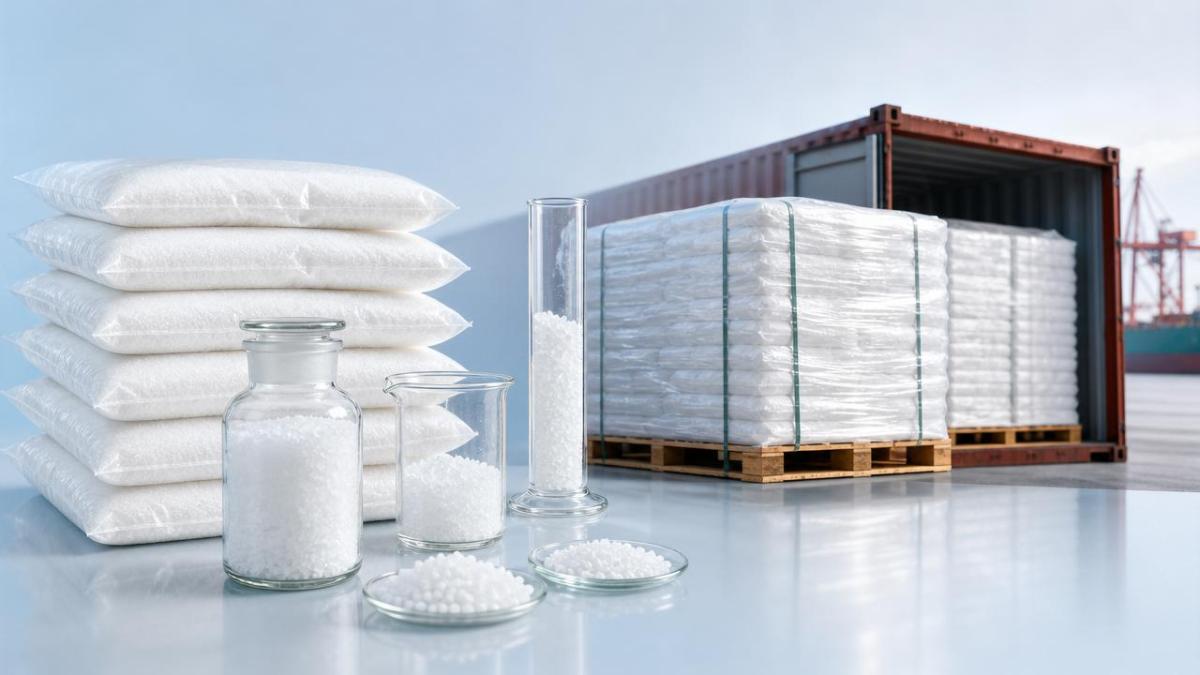
Wholesale potassium nitrate prices vary because the material is not traded as one uniform commodity.
Different sectors require different purity levels, documentation packages, particle sizes, and delivery commitments.
Agricultural users may focus on soluble nutrients, chloride content, and seasonal availability.
Food and specialty chemical applications may demand tighter impurity limits, batch traceability, and stronger compliance records.
A low wholesale potassium nitrate quote can reflect lower specifications, limited testing, or weaker delivery guarantees.
A higher quote may include stronger quality control, export documentation, inventory reservation, or reliable shipment windows.
The useful comparison is not headline price alone.
The better benchmark is landed cost per usable kilogram, adjusted for purity, losses, lead time, and compliance risk.
Key drivers behind the quote spread
- Grade and purity requirements.
- Production route and raw material costs.
- Origin, freight route, and port conditions.
- Packaging format and moisture protection.
- Documentation, testing, and regulatory support.
- Payment terms, contract length, and allocation rights.
These variables explain why wholesale potassium nitrate can show meaningful price gaps between suppliers on the same day.
How does grade affect wholesale potassium nitrate cost?
Grade is often the largest technical reason for price differences.
Agricultural grade wholesale potassium nitrate usually prioritizes nutrient value, solubility, and field performance.
Industrial grades may require tighter control over heavy metals, insoluble matter, sodium, chloride, or anti-caking behavior.
Food-related applications can require stricter compliance with relevant food additive or processing standards.
Specialty chemical uses may also need certificates of analysis for every batch.
Higher purity requires more refining, filtration, crystallization control, and quality testing.
Those steps increase production cost, but they can reduce downstream rejection, process instability, or audit exposure.
What should be compared in specifications?
A meaningful wholesale potassium nitrate comparison should start with a specification sheet, not a price list.
- Minimum potassium nitrate content.
- Moisture level and caking tendency.
- Insoluble residue limits.
- Chloride, sodium, and sulfate limits.
- Particle size distribution.
- Declared test methods and reporting frequency.
Two offers may look similar until impurity limits and test methods are reviewed together.
If the end use is sensitive, small specification gaps can become expensive production issues.
Does origin change wholesale potassium nitrate pricing?
Origin can strongly affect wholesale potassium nitrate pricing through energy costs, feedstock access, and trade policy.
Regions with efficient nitrate and potash supply chains may offer attractive base prices.
However, the lowest ex-works price may not create the lowest delivered cost.
Ocean freight, container availability, inland trucking, port congestion, and insurance can alter the final economics.
Currency movement also matters when contracts are quoted in dollars but costs are incurred elsewhere.
A supplier closer to consumption may charge more per metric ton, yet deliver lower total risk.
Why landed cost is the better metric
Landed cost captures purchase price plus freight, duties, handling, financing, testing, warehousing, and expected delays.
For wholesale potassium nitrate, landed cost also reflects storage performance and packaging integrity during transit.
Moisture-sensitive material shipped in weak packaging can arrive caked, torn, or difficult to dose accurately.
That creates hidden labor costs, equipment downtime, and possible formulation adjustments.
Which contract terms create hidden price gaps?
Contract terms can make one wholesale potassium nitrate offer more valuable than another, even at a higher unit price.
Spot purchases may suit short-term needs, but they expose buyers to freight spikes and allocation limits.
Longer contracts may secure volume, but price adjustment formulas must be transparent.
Payment timing also affects cost.
Extended terms, letters of credit, escrow arrangements, and advance deposits all carry different financing implications.
The cheapest quote may require full prepayment without robust quality recourse.
That structure transfers more risk to the purchaser and should be priced accordingly.
Contract questions to clarify before award
- Is the wholesale potassium nitrate price fixed or indexed?
- What volume is guaranteed each month?
- Who pays demurrage, inspection, and storage charges?
- What happens if a batch fails specification?
- Are substitute origins or plants allowed?
- How are force majeure events handled?
Clear answers reduce disputes and help normalize competing wholesale potassium nitrate bids.
How do compliance and documentation influence price?
Compliance is a real cost component, not just an administrative extra.
Wholesale potassium nitrate can move through regulated channels depending on use, destination, and local controls.
Documents may include certificates of analysis, safety data sheets, origin certificates, and transport declarations.
Some applications require supplier questionnaires, audit files, impurity statements, or traceability records.
Suppliers investing in laboratory capability and regulatory staff often price these services into their offer.
That premium can be justified when rejected cargo, customs delays, or failed customer audits would be costly.
What compliance gaps raise risk?
- Unclear manufacturing site identity.
- Certificates not matching batch numbers.
- Missing transport classification details.
- Vague impurity limits or outdated test reports.
- No documented complaint or recall process.
When these gaps appear, the discount on wholesale potassium nitrate may represent deferred operational risk.
What role do packaging and logistics play in cost?
Packaging can determine whether wholesale potassium nitrate remains free-flowing and usable after transport.
Common formats include 25 kg bags, jumbo bags, palletized loads, and lined containers.
Moisture barriers, sealed liners, pallet quality, and container inspection influence final delivered performance.
Higher packaging costs can prevent caking, contamination, bag failure, and handling losses.
For applications using automated dosing, consistent particle flow can be as important as chemical purity.
Logistics design also matters.
Direct shipments can reduce handling but require accurate demand planning.
Distributor-held inventory may cost more, yet it can shorten lead time and buffer disruptions.
Practical comparison table for wholesale potassium nitrate quotes
This table helps separate visible wholesale potassium nitrate price from hidden cost exposure.
How should a fair wholesale potassium nitrate quote be evaluated?
A fair quote should match the intended use, risk tolerance, and operating schedule.
Start by defining the technical minimums that cannot be compromised.
Then compare suppliers on landed cost, documentation strength, delivery reliability, and corrective action process.
If wholesale potassium nitrate is used in critical processing, sample testing should precede large-volume commitments.
Trial lots reveal caking behavior, dissolution speed, flowability, and compatibility with existing systems.
They also verify whether the certificate reflects actual received material.
A simple evaluation sequence
- Define application-specific specifications.
- Request batch documents and recent test data.
- Normalize all quotes to landed cost.
- Check packaging against storage conditions.
- Test a representative sample or trial shipment.
- Negotiate volume, claims, and delivery protections.
This approach makes wholesale potassium nitrate sourcing more evidence-based and less dependent on headline discounts.
Common mistakes to avoid
- Comparing prices without matching specifications.
- Ignoring freight volatility and port delays.
- Accepting incomplete batch documentation.
- Choosing weak packaging for humid routes.
- Overlooking supplier response after quality claims.
The most durable savings usually come from controlled specifications, transparent terms, and consistent supply performance.
Wholesale potassium nitrate price gaps are rarely random.
They reflect chemistry, logistics, regulation, financing, packaging, and supplier accountability.
Before accepting the lowest offer, compare the full commercial and technical picture.
Request matched specifications, landed-cost calculations, sample validation, and written claims procedures.
A disciplined review can turn wholesale potassium nitrate sourcing into a lower-risk, better-controlled procurement decision.
Related Intelligence
- AgrochemicalsWhat Are the Main Risks of Non-Transparent Agricultural Supply Chains?what are the main risks of non transparent agri supply chains? Explore traceability, compliance, contamination, disruption, and cost risks—plus practical controls.
- AgrochemicalsGrain Production: Key Practices for Improving Yield While Protecting Soil HealthGrain production strategies to improve yield, protect soil health, manage nutrients, reduce compaction, and build resilient fields for lasting results.
- AgrochemicalsHow Do New FDA Rules Affect Agri-Chemical Sourcing Strategies?How do new FDA rules impact agri chemical sourcing strategies? Explore practical supplier screening, traceability, contaminant control, and risk-based compliance steps.
The Morning Broadsheet
Daily chemical briefings, market shifts, and peer-reviewed summaries delivered to your terminal.
