

The Authority in Global Agricultural Chemistry & Bio-Resources
Why Feed & Grain Nutritional Analysis Can Miss Risks
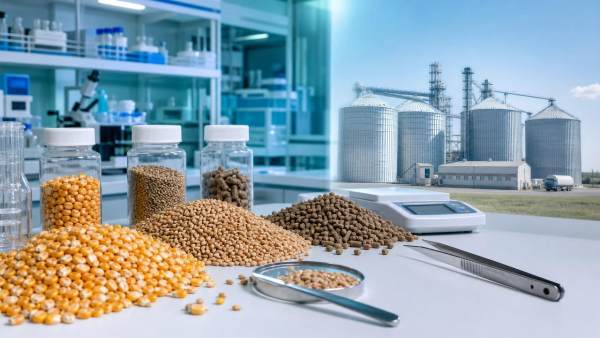
Feed & Grain nutritional analysis is often treated as a definitive checkpoint for quality, safety, and procurement approval—but standard nutrient profiles can overlook risks hidden in sampling bias, contaminant variability, ingredient adulteration, and process-related degradation. For technical evaluators responsible for validating feed inputs or grain lots, the real challenge is not just measuring protein, moisture, fiber, or energy values, but understanding where conventional assays stop and operational risk begins. This article examines why analytical results can appear compliant while still leaving critical exposure across animal performance, regulatory acceptance, and supply chain integrity.
Where Feed & Grain Nutritional Analysis Stops Short
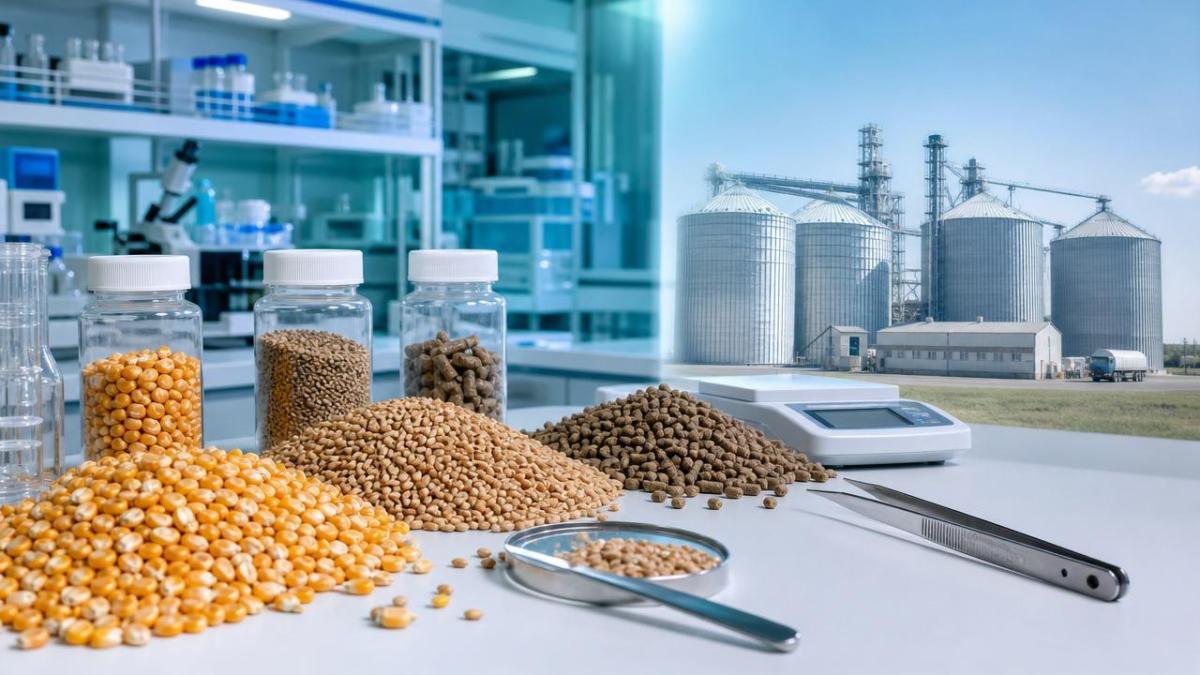
Conventional Feed & Grain nutritional analysis is useful, but it is not a complete risk assessment. It usually confirms declared composition rather than proving operational suitability.
A compliant crude protein number may hide amino acid imbalance. A normal moisture value may still permit localized mold growth inside a poorly blended lot.
The difference between nutrient verification and risk verification
Nutrient verification answers whether a sample matches a specification. Risk verification asks whether the full shipment performs safely under storage, processing, and feeding conditions.
- Nutritional conformity may not detect mycotoxin hotspots, pesticide residues, heavy metals, or microbial load variations across a bulk vessel.
- Label-level composition cannot confirm digestibility, heat damage, enzyme inhibitor activity, or antagonistic effects between ingredients.
- A single laboratory certificate rarely captures degradation during transport, port delays, or silo exposure after testing.
Technical evaluators therefore need to interpret Feed & Grain nutritional analysis as one evidence layer, not the final procurement decision.
Why Compliant Results Can Still Mask Commercial Exposure
In integrated agriculture, aquaculture, and primary processing, feed and grain lots move through long supply chains. Each transfer can change the risk profile.
For institutional buyers, the concern is not only a failed specification. It is delayed production, rejected imports, animal performance loss, or warranty disputes.
The table below shows common gaps between Feed & Grain nutritional analysis outputs and the risk signals procurement teams often need before approval.
This distinction matters because procurement rejection is rarely caused by one number alone. It usually follows a mismatch between certificate evidence and real use conditions.
Sampling Bias: The First Weak Link in Analytical Confidence
Feed & Grain nutritional analysis begins before the laboratory receives a sample. If sampling is weak, even accurate instruments generate misleading confidence.
Bulk commodities are heterogeneous. Fines, broken kernels, dense impurities, and moisture pockets separate during transport, vibration, and unloading.
High-risk sampling scenarios
- Single-point sampling from truck tops or bag openings, especially when visual quality differs between layers.
- Composite samples prepared without documented increments, lot mapping, or retained reference material.
- Sampling after partial unloading, when the most contaminated portion may already be segregated or consumed.
- Supplier-submitted samples without chain-of-custody controls or independent verification at receipt.
Technical evaluators should ask whether the sample represents the lot, the delivery unit, and the intended production window. These are separate questions.
Contaminant Variability Is Not Reflected in Standard Nutrient Profiles
Mycotoxins, pesticide residues, pathogens, and heavy metals do not distribute evenly. They may cluster in fractions that standard nutrient analysis barely describes.
A grain lot can meet protein, moisture, and fiber specifications while exceeding internal risk tolerance for aflatoxin, DON, fumonisins, or arsenic.
For procurement decisions, Feed & Grain nutritional analysis should be paired with contaminant screening based on origin, season, crop stress, and end-use sensitivity.
A risk-based panel prevents overtesting every lot while identifying shipments where basic composition is not enough for release.
Adulteration and Substitution: Why Numbers Can Look Too Normal
Adulteration is difficult because it is often designed to pass routine Feed & Grain nutritional analysis. The certificate looks ordinary by intention.
Substitution may involve lower-grade meals, undeclared fillers, non-protein nitrogen, recycled materials, or botanical misidentification in plant-derived ingredients.
Practical warning signals for technical evaluators
- The nutrient certificate is acceptable, but price is unusually low compared with current commodity spreads and freight conditions.
- Color, odor, particle size, or bulk density differs from historical deliveries from the same origin.
- The supplier resists retained-sample comparison, source documentation, or independent third-party testing.
- Performance data from livestock or aquaculture systems declines despite unchanged formulation assumptions.
When these signals appear, evaluators should add targeted identity tests, microscopy, spectroscopy, DNA-based screening, or amino acid ratio assessment.
Processing Damage: The Hidden Gap Between Composition and Availability
Feed ingredients do not only need nutrients. Those nutrients must remain available after drying, extrusion, pelleting, solvent extraction, or thermal treatment.
Heat-damaged protein can still register as crude protein. Oxidized lipids can still appear in fat analysis while reducing palatability and stability.
Examples of process-related analytical blind spots
- Overheated soybean meal may require urease activity, KOH protein solubility, or reactive lysine checks.
- Fishmeal or animal protein meals may need freshness indicators such as peroxide value or biogenic amine screening.
- Starch sources used in aquafeed may need gelatinization review, not only total starch measurement.
This is where formulation teams and laboratory teams must communicate. Feed & Grain nutritional analysis should support biological performance, not only inventory acceptance.
How to Build a Risk-Based Evaluation Matrix
Technical evaluators need a practical framework that aligns testing intensity with commercial exposure. Not every shipment requires the same analytical depth.
The matrix should consider origin history, supplier maturity, species sensitivity, regulatory destination, and the cost of failure during production.
Use this evaluation approach to decide when baseline Feed & Grain nutritional analysis is sufficient and when expanded screening is justified.
The value of a matrix is consistency. It reduces subjective release decisions and gives procurement, quality, and operations a shared language.
Standards, Documentation, and Compliance Questions to Ask
Feed and grain evaluation often intersects with HACCP, GMP-related controls, Codex guidance, FDA expectations, EPA residue considerations, and local import rules.
The specific requirement depends on jurisdiction and end use. Still, documentation discipline is universal across regulated primary industries.
Minimum documentation checks
- Confirm that the certificate of analysis identifies lot number, sampling date, method reference, and laboratory responsibility.
- Verify that methods are suitable for the matrix, not simply copied from a generic commodity testing template.
- Compare supplier results with internal or third-party results using trend limits rather than single pass-fail judgment.
- Require corrective action history for repeated deviations, especially moisture, toxins, residues, or unexplained nutrient drift.
A strong Feed & Grain nutritional analysis program links lab evidence to supplier governance. Without traceability, technical data cannot protect the buyer.
Implementation Workflow for Technical Evaluation Teams
A reliable workflow prevents urgent delivery pressure from overriding analytical discipline. It also helps buyers manage budget limits without ignoring critical risk.
A practical five-step process
- Classify the ingredient by use case, species sensitivity, origin history, contract value, and regulatory exposure.
- Define the baseline Feed & Grain nutritional analysis panel and the trigger conditions for added tests.
- Control sampling through documented increments, sealed retains, and clear custody transfer at delivery.
- Review results against specification, historical trend, supplier profile, and operational consequences of failure.
- Record release, downgrade, rejection, or conditional approval with evidence available for audit review.
This process is especially important when delivery windows are tight. Clear pre-approved triggers prevent negotiation at the dock.
FAQ for Feed & Grain Nutritional Analysis Decisions
How often should expanded contaminant testing be added?
Expanded testing should follow risk, not habit. New origins, severe weather seasons, storage incidents, or unexplained performance changes justify broader screening.
Is near-infrared analysis enough for procurement release?
NIR can support rapid nutrient estimation when calibrations are strong. It should not replace confirmatory methods for contaminants, adulteration, or disputed lots.
What is the biggest mistake in interpreting Feed & Grain nutritional analysis?
The biggest mistake is treating an average result as proof of whole-lot safety. Heterogeneity, storage history, and chain-of-custody must be reviewed.
How should buyers handle supplier certificates that conflict with internal tests?
Compare sampling method, test method, timing, and retained samples first. If differences remain material, use independent confirmation before acceptance.
Why Choose AgriChem Chronicle for Technical Evaluation Intelligence
AgriChem Chronicle supports evaluators who need more than surface-level commodity commentary. Our editorial focus connects feed, grain, biochemicals, machinery, and regulated supply chains.
ACC content is developed around practical procurement questions: which parameters matter, which risks are under-tested, and which documentation gaps create commercial exposure.
Organizations can consult ACC for Feed & Grain nutritional analysis topic planning, technical whitepaper positioning, supplier evaluation narratives, certification requirement mapping, and buyer-facing risk communication.
For manufacturers, laboratories, ingredient suppliers, and equipment OEMs, ACC offers a specialized publishing environment for validated capabilities, research findings, and compliance-oriented market education.
Contact AgriChem Chronicle to discuss parameter confirmation, technical content development, procurement decision support, custom editorial programs, sample documentation strategy, certification topics, and quotation communication.
Related Intelligence
- Commercial Feed PelletHow to Build a Sanitary Feed Production Plan That Reduces Cross-ContaminationSanitary feed production planning: reduce cross-contamination with smarter sequencing, validated flushing, material segregation, and traceable sanitation controls.
- Commercial Feed PelletFeed Pellet Mill Sourcing: How to Vet Suppliers for Capacity, Quality, and SupportFeed pellet mill sourcing made smarter: vet suppliers for proven capacity, pellet quality, lifecycle cost, factory controls, commissioning, and reliable after-sales support.
- Commercial Feed PelletFeed Production System Price Trends: Cost Drivers and Budgeting for New LinesFeed production systems price trend insights: compare cost drivers, automation, utilities, compliance, and total ownership costs to budget smarter for new feed lines.
The Morning Broadsheet
Daily chemical briefings, market shifts, and peer-reviewed summaries delivered to your terminal.
