

The Authority in Global Agricultural Chemistry & Bio-Resources
ECHA Revises Agrochemical Review Schedule for Q3 2026
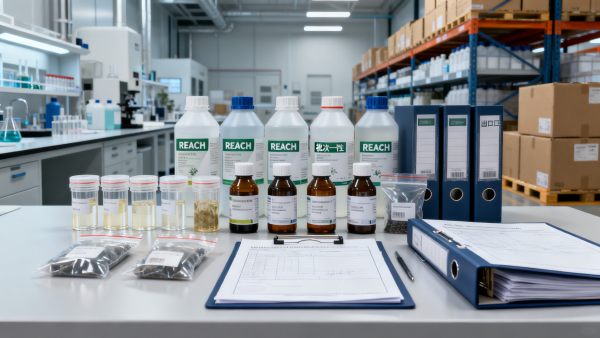
On July 13, 2026, the European Chemicals Agency (ECHA) issued an update that puts registered agrochemicals under closer compliance review in the EU. The notice covers a new round of REACH reassessment for 37 active substances and introduces an enhanced Batch Consistency Dossier requirement for importers from October 1, 2026. For exporters, importers, registration representatives, and supply chain teams tied to agrochemical trade with Europe, this development is worth close attention because it directly affects documentation readiness, customs timing, and continuity of market access.
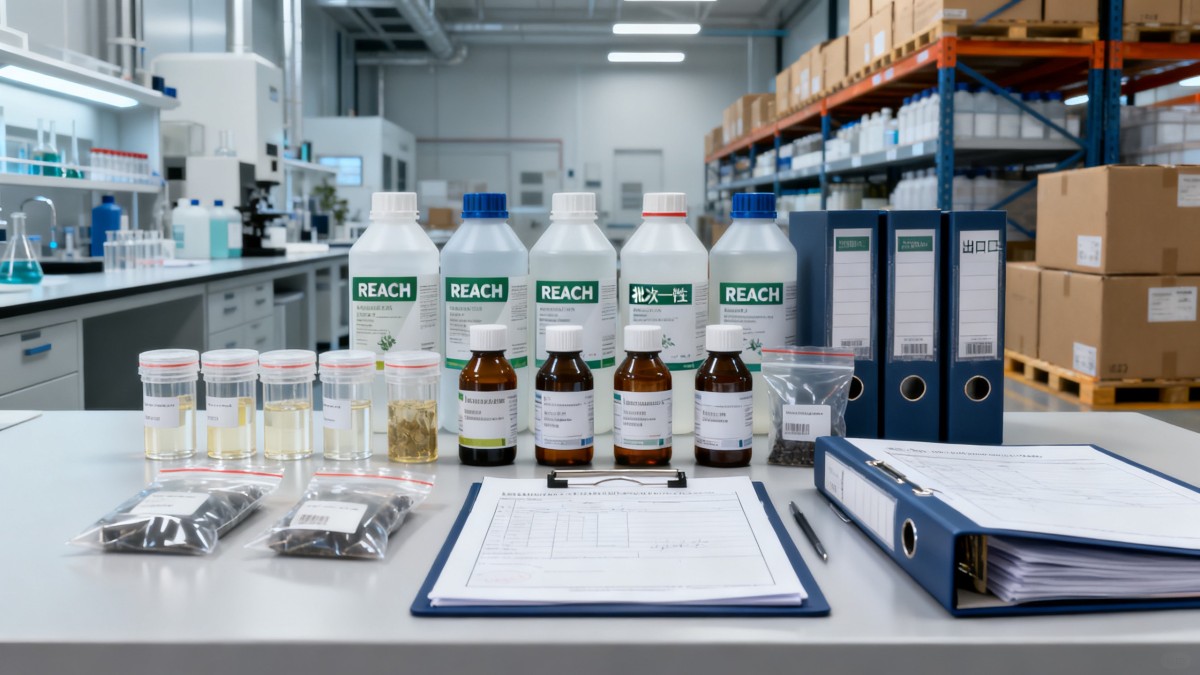
What the ECHA Notice Confirms
According to the information provided, ECHA announced on July 13, 2026 that it will begin a new round of REACH compliance reassessment covering 37 active substances in registered agrochemicals. The same notice states that importers will be required to submit an enhanced Batch Consistency Dossier starting on October 1, 2026. The update also indicates that this change directly affects the registration agency strategy and order delivery rhythm of Chinese agrochemical exporters, and that suppliers that do not complete data preparation in advance may face customs clearance delays or suspension of market access.
Where the Immediate Pressure May Appear
Export transactions may face tighter document coordination
From an industry perspective, direct trading companies involved in agrochemical exports to the EU may be affected first because the new requirement is tied to importer submissions and compliance reassessment. The practical pressure is likely to appear in pre-shipment document alignment, communication with EU-side partners, and confirmation of whether the relevant active substances fall within the reassessment scope.
Registration and representative arrangements become more sensitive
Analysis shows that the notice matters for businesses relying on registration representatives or similar compliance coordination structures. Because the update is described as directly affecting registration agency strategy, companies may need to recheck who is responsible for dossier preparation, data handover, and submission timing. Any ambiguity in roles could slow response speed once importer-side filing begins.
Order fulfillment and cross-border logistics may feel the impact
What deserves closer attention is the link between compliance preparation and delivery schedules. The provided information specifically notes the risk of customs clearance delays or temporary loss of market access for suppliers that are not ready in time. For supply chain service providers, distributors, and procurement teams, this means delivery commitments may increasingly depend on compliance documentation readiness rather than production alone.
What Companies Should Watch Now
Track official wording around the reassessment scope
Companies should closely follow how the 37 active substances are referenced in subsequent official communication and whether there are further clarifications on submission expectations. This is a practical distinction between the policy signal already released and the exact operational requirements that businesses will need to execute against.
Review dossier readiness before the October 1 deadline
Analysis shows that the most immediate work is not abstract regulatory monitoring but document preparation. Businesses linked to affected agrochemicals should review whether existing batch data, consistency records, and supporting compliance materials can be assembled into the enhanced dossier format required for importer submission.
Recheck customer and importer communication workflows
Because the new obligation is placed on importers, exporters cannot treat this as a purely external compliance matter. Current attention should go to communication with EU customers, importers, and any appointed registration representatives so that responsibilities for data collection, review, and submission are clearly assigned before shipment planning becomes constrained by compliance timing.
Build delivery contingencies into commercial planning
Observably, the notice has implications for order pacing as much as for regulatory files. Companies with shipments scheduled around or after October 1, 2026 should pay attention to lead time, documentation cutoffs, and client communication, especially where delayed customs processing could affect delivery commitments or acceptance of goods.
How This Update Should Be Read at This Stage
Analysis shows that this is more than a routine timetable adjustment, but it should not yet be overstated as a fully defined market outcome. The confirmed facts point to a stronger compliance checkpoint around active substance review and batch consistency data. It is more appropriate to understand this as a near-term operational signal with possible longer-tail implications for how agrochemical exporters manage EU compliance support, rather than as a final verdict on broad market change. Continued observation remains necessary because the eventual business impact will depend on how the requirement is interpreted and enforced in practice.
A Near-Term Compliance Signal With Broader Implications
At this stage, the industry significance lies in timing and execution. ECHA has set out a clear review direction, a defined start point for enhanced importer submissions, and a direct warning sign for suppliers that are not ready with data. A neutral reading is that the update is best treated as an actionable compliance development with immediate consequences for preparation and delivery planning, while its full commercial effect still requires continued monitoring.
Basis of This Article and Ongoing Verification
This article is based on the user-provided news title, event date, and event summary. For developments of this kind, commonly relevant source types may include official notices, company disclosures, industry association updates, authoritative media coverage, and standard-setting or regulatory documents. The specific official source link was not provided in the input, so further verification remains necessary. Follow-up attention should focus on any additional ECHA clarification, scope details related to the 37 active substances, and practical guidance affecting importer submissions and shipment execution.
Related Intelligence
- AgrochemicalsWhat Are the Main Risks of Non-Transparent Agricultural Supply Chains?what are the main risks of non transparent agri supply chains? Explore traceability, compliance, contamination, disruption, and cost risks—plus practical controls.
- AgrochemicalsGrain Production: Key Practices for Improving Yield While Protecting Soil HealthGrain production strategies to improve yield, protect soil health, manage nutrients, reduce compaction, and build resilient fields for lasting results.
- AgrochemicalsHow Do New FDA Rules Affect Agri-Chemical Sourcing Strategies?How do new FDA rules impact agri chemical sourcing strategies? Explore practical supplier screening, traceability, contaminant control, and risk-based compliance steps.
The Morning Broadsheet
Daily chemical briefings, market shifts, and peer-reviewed summaries delivered to your terminal.
