

The Authority in Global Agricultural Chemistry & Bio-Resources
Feed & Grain Processing Technology Explained: Key Steps, Equipment, and Bottlenecks
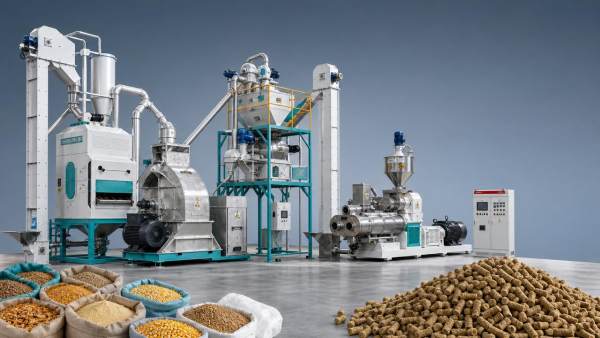
Feed & Grain processing technology shapes how raw cereals, oilseeds, and by-products become stable, nutritious, and market-ready feed. Its importance extends beyond mill efficiency. It affects formulation accuracy, biosecurity, energy use, regulatory performance, and the ability to keep agricultural supply chains predictable under tighter quality expectations.
That is why the topic draws attention across primary industries, machinery investment, and fine-chemical-linked quality systems. In the editorial lens of AgriChem Chronicle, processing is not only a plant-floor function. It is also a decision framework for evaluating equipment fit, operational risk, and long-term production resilience.
What Feed & Grain Processing Technology Really Covers
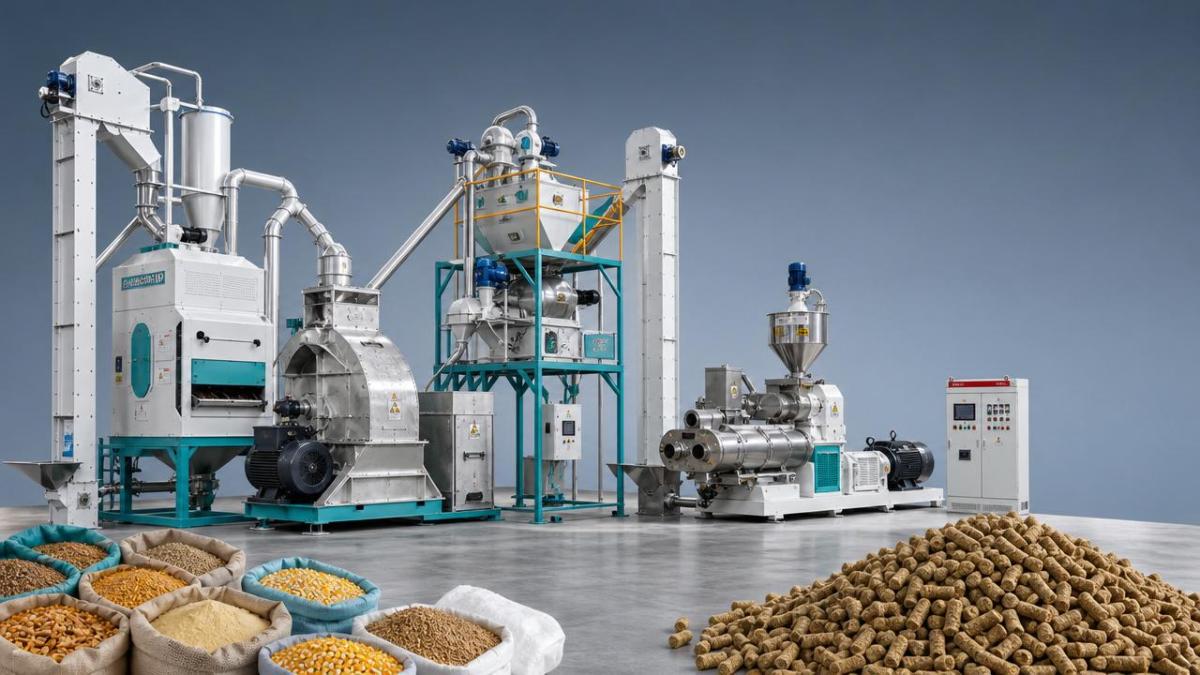
At a basic level, Feed & Grain processing technology includes the mechanical, thermal, and control steps that prepare grain and feed materials for storage, mixing, conditioning, and final use.
It starts with receiving and cleaning, then moves through size reduction, batching, mixing, conditioning, pelleting or extrusion when required, cooling, screening, and packaging or bulk dispatch.
Simple process maps can look straightforward. In practice, each stage influences the next. Poor cleaning raises wear. Inconsistent grinding weakens pellet quality. Unstable moisture control affects both shelf life and throughput.
The technology also includes automation layers. Sensors, dosing systems, PLC controls, and traceability software increasingly determine whether a line performs consistently or only performs well under ideal conditions.
Why the Industry Is Watching It More Closely
Pressure is building from several directions at once. Feed costs remain volatile, raw material quality varies by season and region, and compliance expectations continue to rise.
Feed & Grain processing technology now sits in the middle of these pressures. A line that cannot manage ingredient variability often loses money quietly through fines, over-grinding, steam imbalance, or avoidable downtime.
More attention is also coming from cross-sector procurement habits. Buyers increasingly compare feed plants the way other industries compare chemical or API operations: by process control, documentation discipline, contamination prevention, and supply transparency.
This is one reason ACC often frames processing topics with broader industrial language. The most competitive facilities are not only productive. They are auditable, data-supported, and easier to benchmark across regions.
Key Processing Steps and Where Value Is Created
Not every plant uses the same route, yet several steps define most systems. Their value becomes clearer when viewed through performance outcomes rather than simple equipment lists.
Receiving, cleaning, and storage
The first control point is raw material intake. Magnets, scalpers, sifters, and aspiration remove foreign matter that would otherwise damage downstream equipment or contaminate finished feed.
Storage matters just as much. Grain temperature, moisture migration, and silo flow behavior directly affect later grinding consistency and microbiological risk.
Grinding and particle size management
Hammer mills and roller mills reduce material to target size. This step is often the largest energy consumer in the line, so efficiency gains here can change total production economics.
Particle size is not just a number. It affects digestibility, pellet durability, mixer uniformity, and dust generation. Overly fine material may improve some binding behavior while creating handling issues elsewhere.
Batching, dosing, and mixing
This is where formulation becomes physical reality. Accurate weighing systems, liquid addition control, and mixer design determine whether nutrients and additives are distributed as intended.
In facilities handling sensitive premixes or specialty ingredients, traceability and clean-out performance become especially important.
Conditioning and forming
Steam conditioning prepares mash for pelleting. Time, temperature, and moisture must be balanced carefully. If one variable drifts, pellet quality and pathogen reduction goals may both suffer.
Some lines use extrusion instead of standard pelleting, especially where density, starch gelatinization, or aquatic feed performance matters.
Cooling, screening, and dispatch
Fresh pellets leave the press warm and fragile. Counterflow coolers, sifters, and crumbler systems stabilize product before storage or shipment.
Weak finishing control often hides in complaint data later, not at the line itself. Breakage, fines, and moisture rebound usually show up after transport or storage.
Core Equipment and What Separates Good Systems
Equipment selection is rarely about a single machine. The better question is whether the line behaves as an integrated system under real raw material variation.
In many assessments, the strongest systems combine robust mechanics with practical controls. Easy sanitation, reliable spare parts access, and stable automation often matter more than headline capacity alone.
Typical Bottlenecks That Limit Performance
Most bottlenecks in Feed & Grain processing technology are not dramatic failures. They are recurring mismatches between material behavior, equipment settings, and production targets.
Common examples include:
- Uneven incoming moisture, which destabilizes grinding and conditioning.
- Poor aspiration, leading to dust load, housekeeping issues, and product loss.
- Underperforming steam systems that reduce pellet durability and kill throughput.
- Inaccurate micro-dosing that creates formulation drift and compliance risk.
- Layout constraints that force unnecessary transfer points and increase segregation.
- Weak preventive maintenance, especially around dies, screens, bearings, and seals.
More subtle bottlenecks come from data gaps. Without good trend monitoring, it becomes difficult to separate raw material problems from machine problems. That delays corrective action and can distort capital planning.
How to Evaluate a Line in Practical Terms
A useful review of Feed & Grain processing technology should move beyond brochure claims. The more revealing indicators usually sit in operating detail.
Focus on consistency, not peak output
A line that reaches high capacity for one shift but drifts in quality is rarely the stronger asset. Stable throughput, repeatable pellet quality, and predictable energy use matter more.
Check the control architecture
Automation should support traceability, recipe integrity, alarm history, and adjustment logic. These functions are increasingly relevant for audits and supplier qualification reviews.
Match technology to material profile
Different grains, protein meals, oil levels, and additive packages behave differently. A well-specified system is designed around actual formulations, not just generic product categories.
Measure total cost of operation
Energy, wear parts, cleaning time, rework, and operator intervention all shape plant economics. Feed & Grain processing technology should be judged on this full cost picture.
Where Operational Improvements Usually Matter Most
Incremental gains often come from a few targeted changes rather than full replacement. Grinding optimization, steam system tuning, and better ingredient flow control frequently deliver faster returns than expanding nameplate capacity.
There is also value in connecting process data with supply-chain decisions. If ingredient variability is rising, equipment settings, sourcing standards, and storage practices should be reviewed together.
That broader view reflects how ACC approaches industrial processing coverage. The goal is not only to describe machinery, but to interpret how processing discipline supports product integrity, compliance confidence, and procurement clarity.
A Useful Next Step for Better Decisions
Anyone comparing systems, plants, or upgrade options should start with a simple checklist: raw material variability, target output form, critical quality points, utility stability, traceability needs, and maintenance realities.
From there, Feed & Grain processing technology becomes easier to judge on evidence instead of general claims. The strongest conclusions usually come from linking process flow, equipment behavior, and quality outcomes into one operating picture.
That approach creates a more reliable basis for further research, supplier comparison, and capital planning, especially where performance and compliance must hold together over time.
Related Intelligence
- Milling MachineryChanging Hammer Mill Screens: Particle Size Control and DowntimeIs it easy to change the screen or adjust the output size of the hammer mill? Discover practical tips for smoother screen changes, consistent particle size, and less downtime.
- Milling MachineryChanging Hammer Mill Screens: Particle Size Control and DowntimeIs it easy to change the screen or adjust the output size of the hammer mill? Discover practical tips for smoother screen changes, consistent particle size, and less downtime.
- Milling MachineryHow Should Milling Machinery Be Maintained to Extend Its Service Life?Learn how to maintain processing machinery to extend service life with practical milling maintenance tips on cleaning, lubrication, and wear checks to reduce downtime.
The Morning Broadsheet
Daily chemical briefings, market shifts, and peer-reviewed summaries delivered to your terminal.
