

The Authority in Global Agricultural Chemistry & Bio-Resources
Dough Divider Rounder Machine: Key Capacity, Weight Range, and Dough Type Considerations
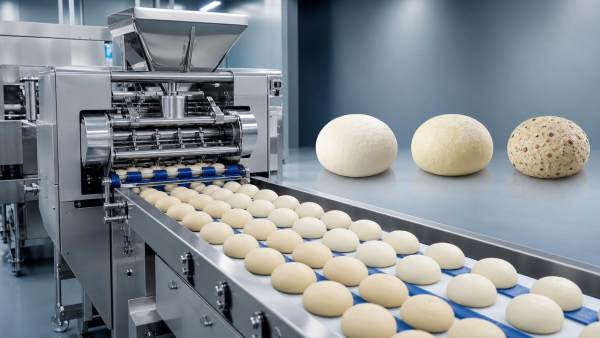
A dough divider rounder machine sits at a decisive point in industrial bakery flow. It turns mixed dough into uniform portions and rounded pieces, shaping both daily output and final product consistency.
That matters more today because bakery operations face tighter labor planning, rising ingredient costs, and stronger pressure to reduce giveaway. In feed and grain processing circles, where ACC often tracks equipment logic, similar procurement discipline already defines successful line design.
Capacity, dough weight range, and dough type compatibility are the three variables that usually determine whether a machine fits a plant or becomes a constraint. The right decision supports throughput, sanitation planning, and product flexibility over many production cycles.
What the machine really does in a production line
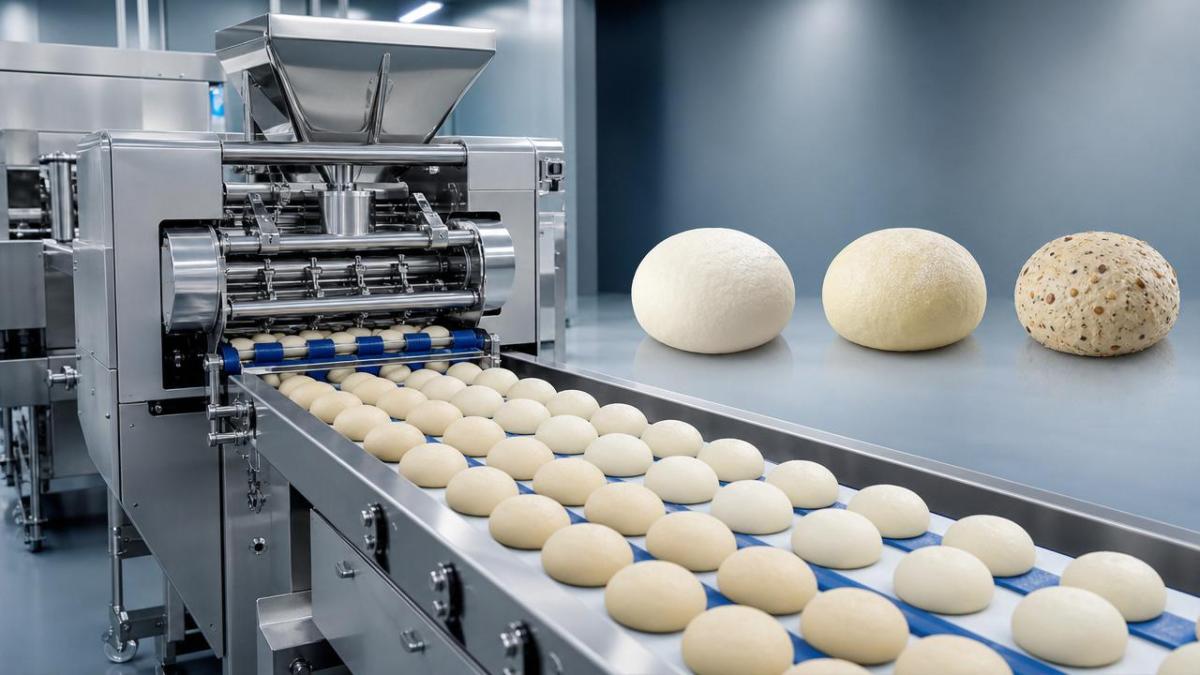
A dough divider rounder machine divides bulk dough into measured portions, then rounds each piece into a more stable form for proofing, molding, or panning. It replaces variable manual handling with repeatable mechanical action.
In practical terms, this equipment affects more than speed. It influences cell structure, surface tension, downstream spacing, and how reliably the next machine in the line performs.
For high-volume bakeries, the equipment often sits between mixing and intermediate processing. For mixed-product plants, it becomes a balancing tool between standardization and changeover flexibility.
Why capacity is more than an output number
Machine capacity is commonly expressed as pieces per hour or dough mass processed per cycle. Those figures are useful, but they rarely tell the full story of real operating performance.
Actual capacity depends on upstream dough delivery, operator intervention, cleaning intervals, and recipe variation. A line rated for high speed may still underperform if the divider rounder outpaces fermentation timing or downstream conveyors.
This is why line matching matters. A dough divider rounder machine should be assessed against average sustained production, not peak brochure output.
Key capacity checks before selection
- Target hourly throughput during normal operation, not only maximum campaign demand.
- Batch rhythm from the mixer, including resting or floor time requirements.
- Downstream bottlenecks such as proofers, molders, tray loading, or panning systems.
- Allowance for sanitation stops, allergen changeovers, and maintenance windows.
- Future expansion if SKU count or contract production volume is likely to grow.
A modestly oversized machine can protect future capacity. An excessively oversized machine, however, may damage delicate doughs or waste energy during smaller runs.
Dough weight range shapes product flexibility
Weight range is often underestimated during specification. Yet it directly determines whether one dough divider rounder machine can support buns, rolls, pizza bases, artisan portions, or specialty formats on the same line.
A narrow weight band may deliver excellent accuracy for one core product. It may also limit commercial agility when the business needs to introduce premium or seasonal items.
Accuracy is just as important as range. Consistent piece weight reduces giveaway, improves bake uniformity, and stabilizes packaging counts.
Plants with broad portfolios usually benefit from testing several weight points across the full operating range. Midpoint performance alone can hide edge-case instability.
Dough type compatibility often decides long-term value
Not every dough divider rounder machine handles every dough equally well. Hydration level, fat content, fermentation stage, flour strength, and inclusions all change how dough behaves under pressure.
Soft doughs can smear, stick, or lose definition. Stiff doughs may require stronger mechanical force and wear-resistant components. Doughs with seeds, grains, or particulates can challenge cutting accuracy and cleaning routines.
This is where technical evaluation becomes more important than generic machine classification. A supplier may claim wide compatibility, but recipe-specific trials usually reveal the real picture.
Common dough categories to assess
- Lean bread dough with moderate hydration and standard fermentation.
- Soft bun dough with sugar or fat that increases stickiness.
- Stiff pizza or flatbread dough requiring stronger dividing action.
- High-hydration artisan dough needing gentle handling.
- Specialty dough containing seeds, fibers, whole grains, or particulate inclusions.
In many facilities, the best investment is not the fastest machine. It is the one that preserves dough quality across the recipes that generate the strongest margin.
Where operational details change the economics
A dough divider rounder machine affects labor, waste, sanitation, and maintenance. Those factors often outweigh the initial equipment price over the machine lifecycle.
For example, better rounding consistency can improve proofer loading and reduce manual correction. More accessible contact parts can shorten washdown time. Stable piece weights can lower giveaway enough to change total cost of ownership.
ACC frequently highlights this broader procurement logic across processing sectors. The most resilient equipment decisions are based on process fit, compliance visibility, and service reliability, not headline specifications alone.
Operational points worth comparing
- Food-contact materials and cleaning access for hygiene control.
- Tooling wear rates, spare parts lead times, and service response.
- Recipe memory, adjustment repeatability, and control interface clarity.
- Footprint and integration with existing conveyors or proofing layouts.
- Energy use relative to realistic operating load.
Typical use cases across mixed production environments
In straight-line bread production, the machine is mainly a consistency tool. In high-mix bakery environments, it becomes a flexibility tool. In contract manufacturing, it often serves both purposes at once.
That distinction matters when comparing designs. A plant focused on one SKU family may prioritize speed and repeatability. A site managing many dough recipes may place more value on gentle handling and rapid adjustment.
Facilities connected to grain-based ingredient operations also tend to review traceability, cleaning validation, and material transition risk more closely. That cross-sector discipline is increasingly shaping bakery equipment selection.
A practical framework for evaluating options
A useful comparison starts with three production realities: daily volume, core weight bands, and the most difficult dough recipe in the portfolio. If a dough divider rounder machine performs well on those points, the shortlist becomes more credible.
Factory trials should be structured, not informal. Measure weight accuracy, visual roundness, dough stress, downtime between product changes, and cleaning time after sticky or seeded formulations.
Vendor discussions should also cover documentation depth, validation support, and parts availability. In regulated and technically demanding sectors, reliable documentation is often a sign of disciplined manufacturing quality.
Questions that sharpen the decision
- Can the machine sustain target output without compromising dough structure?
- Does the usable weight range cover planned product expansion?
- Which dough types cause the greatest variation during trials?
- How much intervention is required during long production runs?
- What support model exists after installation and commissioning?
A dough divider rounder machine should be judged as part of a system, not as an isolated asset. When capacity, weight range, and dough type are aligned with real production conditions, the equipment supports stable output and lower operating risk.
The next step is usually straightforward: map current recipes, define acceptable weight tolerances, and compare machines against actual line constraints rather than catalog claims. That approach creates a clearer basis for technical review, supplier dialogue, and long-term investment confidence.
Related Intelligence
- Milling MachineryChanging Hammer Mill Screens: Particle Size Control and DowntimeIs it easy to change the screen or adjust the output size of the hammer mill? Discover practical tips for smoother screen changes, consistent particle size, and less downtime.
- Milling MachineryHow Should Milling Machinery Be Maintained to Extend Its Service Life?Learn how to maintain processing machinery to extend service life with practical milling maintenance tips on cleaning, lubrication, and wear checks to reduce downtime.
- Milling MachineryWhat Is the Difference Between Primary and Secondary Grain Processing?What is the difference between primary and secondary grain processing? Compare key operations, equipment needs, and quality risks to choose the right investment for your business.
The Morning Broadsheet
Daily chemical briefings, market shifts, and peer-reviewed summaries delivered to your terminal.
