

The Authority in Global Agricultural Chemistry & Bio-Resources
Titanium Dioxide Rutile Grade vs Anatase: Which One Fits Coatings and Plastics?
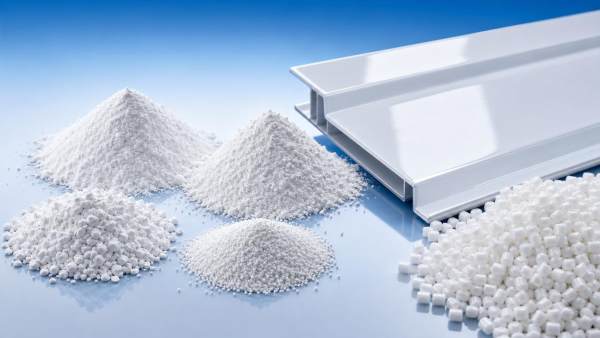
In coatings and plastics, the choice between anatase and titanium dioxide rutile grade shapes more than whiteness. It influences outdoor life, gloss retention, processing stability, and long-term cost exposure.
That decision matters even more as raw material supply becomes tighter, compliance expectations rise, and buyers need clearer links between technical data and commercial value.
Across fine chemicals and primary processing, AgriChem Chronicle has tracked a similar pattern: small differences in material grade often create large differences in field performance, warranty risk, and sourcing confidence.
Why rutile and anatase are not interchangeable
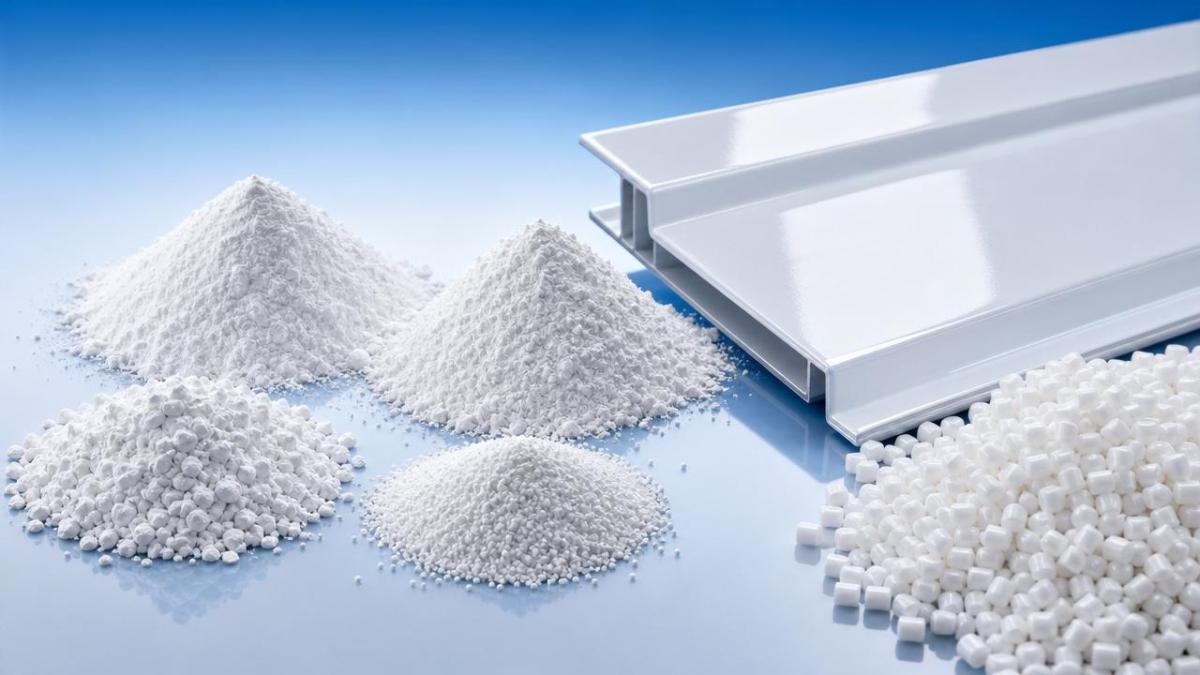
Both forms are titanium dioxide, but their crystal structures are different. That structural difference changes refractive index, weather resistance, surface activity, and how each grade behaves in finished formulations.
Anatase is often valued for high brightness and cost efficiency in controlled indoor uses. Titanium dioxide rutile grade is generally preferred when durability, opacity, and UV stability carry greater business importance.
Simple comparisons based only on price per ton usually miss the bigger issue. The real question is cost per unit of acceptable performance over the intended service life.
The performance gap that matters in coatings
In coatings, titanium dioxide is expected to deliver hiding power, brightness, tint strength, and surface appearance. Yet the grade also affects film durability under sunlight, heat, moisture, and pollution.
Titanium dioxide rutile grade usually offers a higher refractive index than anatase. In practical terms, that helps create stronger opacity and better coverage at similar loading levels.
Rutile also shows lower photocatalytic activity after suitable surface treatment. This is important because excessive photocatalytic behavior can accelerate binder degradation, chalking, fading, and gloss loss.
For exterior architectural paints, industrial coatings, marine systems, and weather-exposed equipment finishes, those differences are not marginal. They directly affect repaint cycles and maintenance budgets.
Anatase can still fit some coating systems, especially where weathering demands are lower. Interior paints, selected paper coatings, and less demanding decorative uses may not require premium rutile performance.
What coating buyers usually compare
The table is only a starting point. Surface treatment, particle size control, and formulation compatibility can widen or narrow these differences in real production.
How plastics change the selection logic
Plastics place titanium dioxide under a different set of stresses. Heat history, shear, polymer compatibility, dispersion quality, and UV exposure all influence the final result.
In many plastic applications, titanium dioxide rutile grade is the safer choice. It typically delivers stronger UV screening and helps protect polymer chains from degradation during outdoor use.
That is especially relevant for PVC profiles, agricultural films, masterbatch, packaging exposed to sunlight, and molded products expected to hold color and impact strength over time.
Anatase can work in indoor plastic products where weatherability is less critical. It may also be considered when cost pressure is high and end-use life is relatively short.
Even then, the evaluation should include downstream effects. A lower-cost pigment can become expensive if it increases scrap, yellowing, or customer complaints.
Typical plastic-use considerations
- Outdoor exposure usually favors titanium dioxide rutile grade.
- High-temperature processing requires attention to coating treatment and dispersion.
- Food-contact or regulated applications need tighter supplier documentation.
- Thin-gauge films can be more sensitive to opacity efficiency and particle distribution.
Why current market conditions make the choice more strategic
The rutile versus anatase decision used to be handled as a routine formulation detail. That is no longer enough in markets shaped by energy volatility, environmental review, and tighter quality accountability.
Rising scrutiny around traceability has made supplier selection almost as important as grade selection. Consistency between lots can determine whether a plant keeps stable color, viscosity, and output.
AgriChem Chronicle often highlights this broader procurement reality in fine chemicals and raw material chains. Performance data, compliance records, and manufacturing discipline need to be reviewed together, not separately.
For titanium dioxide rutile grade, that means checking more than the headline specification. Surface treatment chemistry, oil absorption, undertone, weathering test history, and dispersibility all deserve attention.
Where each grade tends to fit best
A practical way to compare grades is to align them with service conditions rather than general descriptions.
This is where commercial judgment becomes useful. The best option is not always the highest-performing pigment, but the grade that matches exposure, warranty, and processing realities with minimal risk.
The hidden variables behind supplier quotations
Two rutile offers can look similar on paper while performing very differently in production. The same is true for anatase products sourced from different process routes or quality systems.
A useful evaluation usually includes the following questions:
- Is the titanium dioxide rutile grade chloride-process or sulfate-process, and does that matter for the application?
- What inorganic or organic surface treatments are present?
- How stable is the supplier’s particle size distribution across lots?
- Are weathering, dispersion, and regulatory documents current and verifiable?
- What technical support exists if the formulation needs adjustment after scale-up?
Those questions are especially relevant in sectors where compliance and traceability cannot be treated as side issues. ACC’s editorial approach reflects that broader market reality across chemicals and industrial inputs.
A practical framework for deciding
When the application faces sunlight, moisture, long service intervals, or reputation-sensitive quality demands, titanium dioxide rutile grade usually deserves priority consideration.
When the end use is indoor, price-sensitive, and less exposed to aging stress, anatase may still offer a reasonable balance.
The decision becomes clearer when five points are tested together: opacity target, weathering requirement, processing behavior, compliance documentation, and total lifecycle cost.
That approach avoids a common mistake. It prevents teams from selecting pigment chemistry in isolation from the final product’s commercial obligations.
A sound next step is to compare one anatase option and two titanium dioxide rutile grade options against the same end-use criteria, then review both lab data and supplier reliability side by side.
In coatings and plastics, the smarter choice is rarely the cheapest line item. It is the grade that keeps performance predictable, claims low, and future sourcing decisions easier to defend.
Related Intelligence
- APIs & IntermediatesWood Preservative Prices in the USA: Bulk Costs by Chemical TypeSearching for “wood preservatives price USA”? Compare bulk chemical types, uncover hidden delivery costs, and learn how to choose compliant treatments at the best value.
- APIs & IntermediatesLiaoning Fine Chemicals Institute for New Industrialization Opens in ShenyangLiaoning Fine Chemicals Institute for New Industrialization opens in Shenyang. Explore its plans to link research, pilot-scale development and enterprise services to drive chemical innovation.
- APIs & IntermediatesBuyer-Oriented Category Guides: How to Compare Options Beyond PriceUse buyer oriented category guides to compare quality, lifecycle costs, compliance, and supplier reliability beyond price. Discover how to reduce purchasing risk and choose lasting value.
The Morning Broadsheet
Daily chemical briefings, market shifts, and peer-reviewed summaries delivered to your terminal.
