

The Authority in Global Agricultural Chemistry & Bio-Resources
EPA Compliance Framework Explained: What to Prepare for Facility Audits
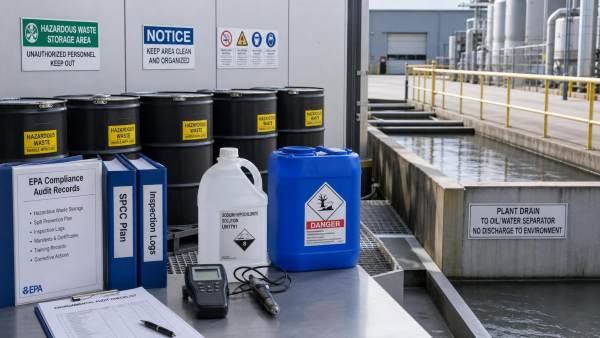
Facility audits rarely fail because of one dramatic violation. More often, they expose a weak system: incomplete logs, unclear responsibilities, inconsistent waste handling, or records that do not match daily practice.
That is why the EPA compliance framework matters across fine chemicals, feed processing, aquaculture systems, forestry equipment maintenance, and bio-extract operations. It turns environmental duties into operational controls that can be verified.
For regulated facilities, audit readiness is less about preparing for an inspection week and more about maintaining evidence every day. In sectors tracked closely by AgriChem Chronicle, that distinction affects risk, continuity, and commercial credibility.
What the EPA compliance framework really covers
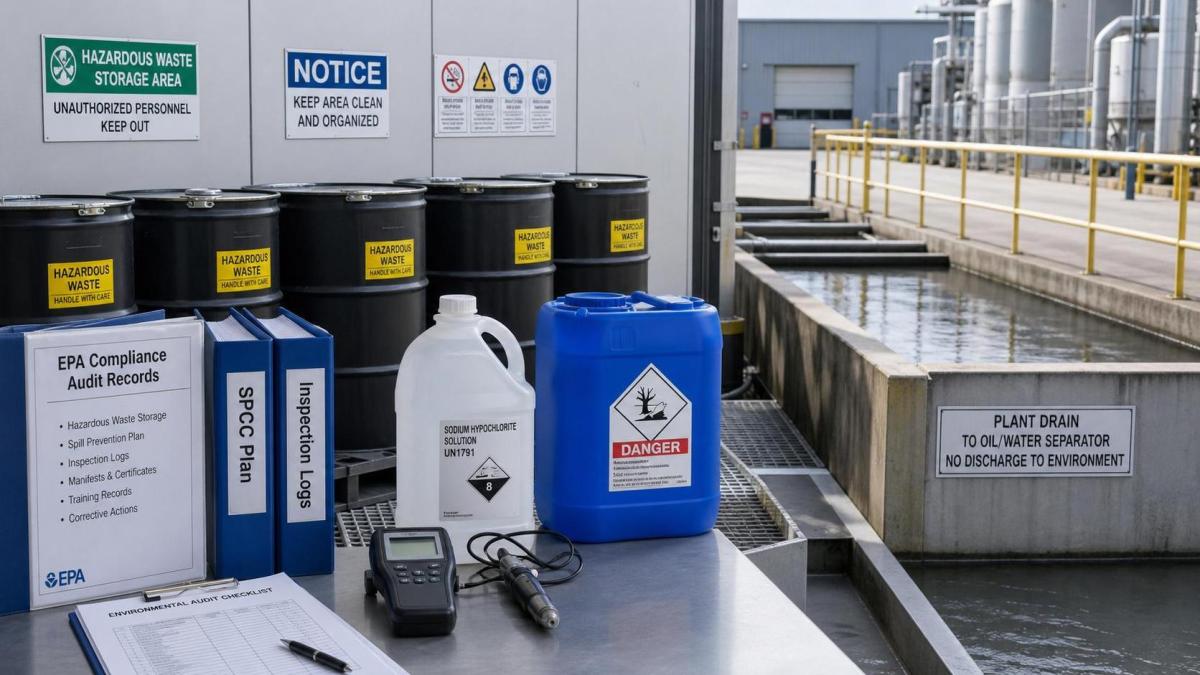
At a practical level, the EPA compliance framework is not a single checklist. It is the working structure used to manage environmental obligations tied to air, water, waste, chemicals, emissions, and reporting.
The exact scope depends on the facility. A blending plant, grain processor, API intermediate producer, or fishery support site will not face identical requirements.
Still, most audit activity circles the same questions. What is regulated on site? Who owns each control? Where is the evidence? Does actual practice match written procedure?
A strong EPA compliance framework connects permits, standard operating procedures, training, monitoring, corrective action, and document retention. If those pieces sit in isolation, audits usually reveal gaps between intent and execution.
Core elements usually reviewed
- Permit inventory and current regulatory applicability.
- Hazardous material storage, labeling, and secondary containment.
- Waste generation, classification, accumulation, and disposal records.
- Air or wastewater monitoring data and exception handling.
- Spill response readiness and incident documentation.
- Employee training records tied to specific regulated activities.
- Corrective action tracking after internal findings or external notices.
Why audits are getting tougher to manage
Regulatory pressure has increased alongside supply chain scrutiny. Buyers, insurers, lenders, and certification bodies now look beyond production quality and ask whether environmental control systems are credible and current.
This is especially relevant in ACC-covered sectors. Chemical inputs, extraction processes, feed ingredients, maintenance fluids, and cleaning systems all create environmental exposure points that can trigger broader review.
The tougher part is not always the rule itself. It is the overlap between EPA expectations, site-specific permits, customer due diligence, and internal EHS commitments.
An EPA compliance framework helps facilities manage that overlap in a disciplined way. It provides one operating logic for evidence, ownership, escalation, and follow-through.
Where pressure commonly shows up
What to prepare before a facility audit
Preparation starts with traceability. Auditors want to see a clear line from legal requirement to site control to retained evidence.
That means documents should not simply exist. They should be current, accessible, internally consistent, and supported by observed practice on the floor.
1. Build a current compliance map
List every applicable permit, reporting duty, monitoring frequency, threshold, storage rule, and response requirement. Assign ownership by function, not by department name alone.
Facilities with multiple process lines should break this down by activity. Solvent use, boiler emissions, washdown discharge, sludge storage, and maintenance waste should each have visible controls.
2. Reconcile records against reality
Many audit findings appear when records describe a cleaner system than the one operating on site. Labels fade. Containers move. Sampling schedules slip. Temporary storage becomes permanent.
Walk the facility with the records in hand. Check dates, lot references, accumulation points, calibration stickers, and emergency materials. Any mismatch deserves correction before audit day.
3. Review incident and corrective action history
An EPA compliance framework is judged partly by what happens after something goes wrong. Spills, deviations, overages, and near misses should show investigation, containment, root cause review, and closure evidence.
Repeated small issues often raise more concern than one isolated event. They suggest the site has normalized weak control.
4. Confirm training against regulated tasks
Training records matter most when they connect directly to exposure points. Anyone handling hazardous waste, emissions equipment, sampling, chemical transfer, or emergency response should be traceable in the system.
Short refresher training can be useful before an audit, but it should reinforce existing controls rather than patch missing competence.
Common compliance gaps across industrial settings
The same patterns repeat across different sectors. A feed plant may struggle with wastewater logs. A chemical site may struggle with waste characterization. An equipment service yard may miss fluid containment records.
The operational context changes, but the compliance logic does not. The EPA compliance framework tends to fail where responsibility is assumed rather than documented.
- Environmental duties embedded in one experienced employee instead of a managed system.
- Procedures copied from corporate templates without reflecting local permits.
- Monitoring data collected but not trended for drift or abnormal patterns.
- Waste storage areas organized for convenience rather than compliance.
- Contractor activities overlooked in training, access, or disposal control.
- CAPA records closed administratively while field conditions remain unchanged.
More mature sites treat these gaps as system design problems. They do not wait for an inspection to reveal them.
Using the framework as an operating tool
The best facilities use the EPA compliance framework beyond audit defense. They use it to support process discipline, change control, and supplier-facing confidence.
That matters in markets where technical buyers review not only product quality, but also the reliability of the site that produces, stores, or services critical materials.
In ACC’s editorial landscape, environmental readiness increasingly sits beside GMP alignment, raw material traceability, and operational transparency. The framework therefore becomes part of broader business resilience.
Useful ways to apply it day to day
- Link environmental controls to management of change reviews.
- Trend audit findings by recurrence, not only by severity.
- Use visual controls for storage, segregation, and inspection intervals.
- Align document retention with reporting and permit timelines.
- Test emergency response records against realistic spill scenarios.
How to judge whether your system is audit ready
A reliable test is simple. Pick one regulated activity and try to prove compliance from start to finish within minutes.
For example, choose a hazardous waste stream. Can the site show how it is identified, labeled, stored, inspected, shipped, and tied to training and manifests without confusion?
If not, the issue is probably larger than one record. It points to a weak EPA compliance framework, usually involving ownership, document control, or inconsistent field execution.
A second test is whether exceptions move quickly. Delayed escalation often turns manageable deviations into formal findings.
Where to focus next
A facility audit should be treated as a measurement point, not the main event. The stronger approach is to review the EPA compliance framework as a live control system that supports daily operations.
Start by mapping obligations, verifying field conditions, and testing evidence trails for the highest-risk activities. Then review recurring gaps, contractor controls, and the quality of corrective action closure.
That work creates more than audit readiness. It gives a clearer basis for operational decisions, internal accountability, and external trust in regulated production environments.
Related Intelligence
- APIs & IntermediatesProcurement Planning: Which Resource Reports Help Prevent Material Shortages?Discover how procurement planning resource reports reveal usable stock, shortage dates, and supplier risks so you can prevent material shortages and keep production on track.
- APIs & IntermediatesBuyer-Focused Vendor Screening: How Procurement Teams Verify Supplier Fit and RiskBuyer-focused vendor screening helps procurement teams verify supplier fit, compliance, quality, and supply-chain resilience—reduce risk and make smarter sourcing decisions.
- APIs & IntermediatesHow API Sourcing Intelligence Reduces Supplier Risk and Protects Supply ContinuityChemical sourcing intelligence for APIs helps reduce supplier risk, validate capacity and GMP controls, and protect supply continuity. Explore practical sourcing insights.
The Morning Broadsheet
Daily chemical briefings, market shifts, and peer-reviewed summaries delivered to your terminal.
