

The Authority in Global Agricultural Chemistry & Bio-Resources
Vietnam Imposes 18.7% Duty on Feed Pellet Machines from China
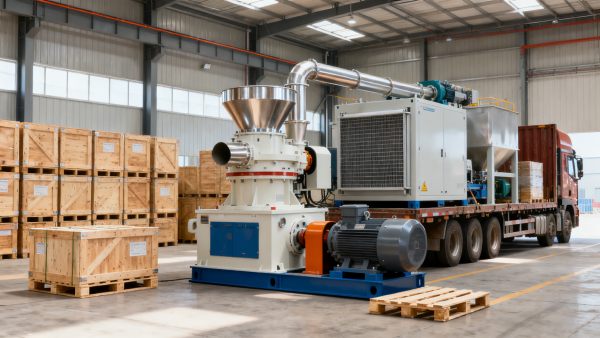
On July 6, 2026, Vietnam’s Ministry of Industry and Trade (MOIT) issued a final ruling imposing a 18.7% anti-dumping duty for five years on commercial feed pellet machinery from China under HS 8479.89.90. The move matters beyond a single tariff line: it directly affects exporters of automated ring-die pellet systems and matching cooling equipment, while also raising practical concerns for buyers, distributors, and service providers involved in cross-border feed equipment projects.
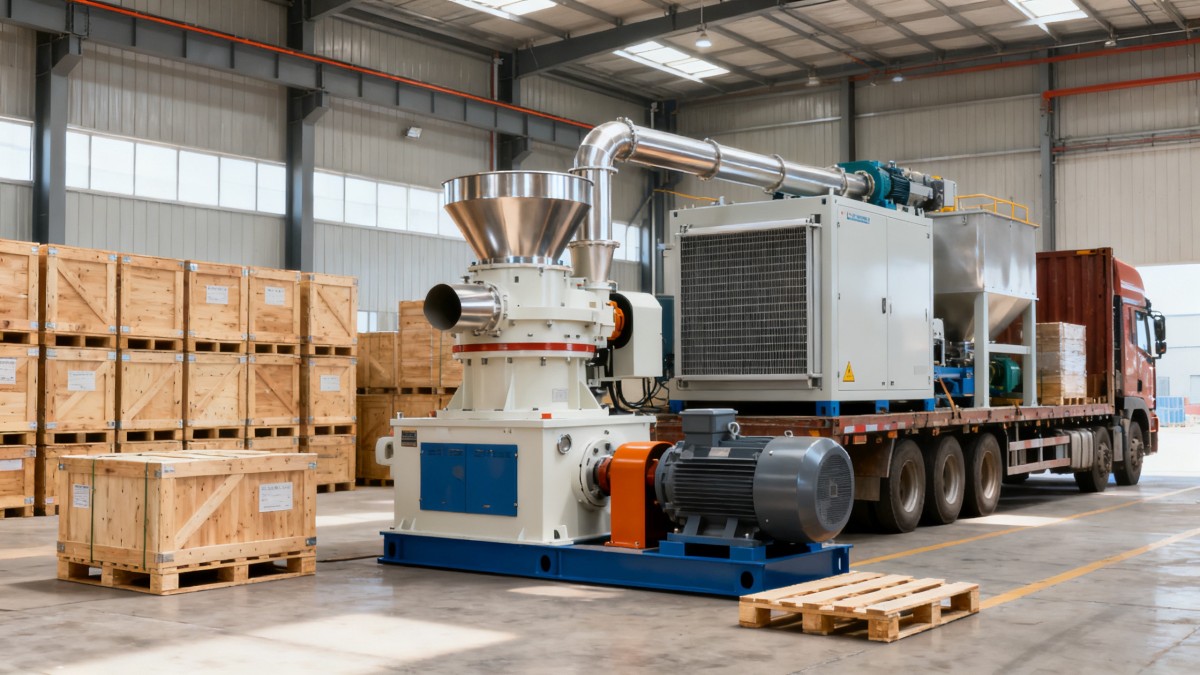
What the ruling confirms
According to the information provided, the MOIT’s final decision applies to Chinese commercial feed pellet machines classified under HS 8479.89.90. The anti-dumping duty rate is 18.7%, and the measure will remain in force for five years.
The basis cited in the case is that the Chinese companies involved did not provide complete third-party testing reports covering energy consumption and dust emissions. As a result, they were unable to qualify for the "market economy status" exception referenced in the case.
The covered product scope includes fully automated ring-die pelletizing units and related cooling systems.
Where pressure may emerge across the business chain
Export transactions face a direct cost issue
From an industry perspective, Chinese suppliers shipping covered equipment to Vietnam may feel the most immediate pressure in quoting, contract negotiation, and order conversion. The reason is straightforward: the ruling creates a confirmed duty burden on the specified product category, which can affect transaction pricing and buyer decision-making.
What deserves closer attention is whether ongoing or upcoming projects involving the covered HS code, full-automatic ring-die pellet lines, or matching cooling systems need revised commercial terms, documentation checks, or delivery planning.
Buyers and project owners may need tighter procurement review
For procurement-side participants, the impact is likely to show up in supplier screening, equipment budgeting, and purchase timing. Where a project depends on imported pelletizing equipment from China, the ruling may change the practical cost framework around the purchase, even if the technical need for the machinery remains unchanged.
Analysis shows that buyers should pay particular attention to product scope confirmation, customs classification consistency, and whether supporting technical and compliance documents align with what the ruling has highlighted.
Distributors and service partners may see pressure in execution
For channel partners, local distributors, and equipment service providers, the main issue may not be policy interpretation alone but project execution. Equipment covered by the ruling often sits within larger delivery arrangements, so any added tariff burden can influence quotation updates, customer communication, and after-sales planning tied to the imported system.
Observably, this means intermediaries in the transaction chain should watch for changes in order rhythm, client approval cycles, and expectations around documentation support.
What companies should monitor now
Track whether official wording changes practical scope
The immediate operational priority is to follow the precise official expression of the covered products and conditions already identified in the ruling. In practice, companies should focus on whether a specific machine package falls within the stated HS code coverage and whether bundled cooling systems are clearly captured in the same business scenario.
Review compliance documents tied to energy and dust metrics
The information provided points directly to incomplete third-party reports on energy consumption and dust emissions as a key reason the relevant exception was not available. That makes technical documentation quality a central issue rather than a secondary filing task. For exporters and suppliers, the practical concern is whether current document sets are complete, consistent, and usable in cross-border review or customer communication.
Separate policy signal from shipment execution
Analysis shows that a final ruling and day-to-day business execution are related but not identical. Companies should avoid treating the headline alone as a full operational answer. The more practical task is to map the ruling against actual orders, covered product models, current quotations, and contract performance obligations.
Prepare customer communication and delivery contingencies
Where Vietnam-facing business is active, suppliers, traders, and service teams should be ready for customer questions around price impact, applicable scope, and documentation support. What deserves closer attention is not only whether a duty exists, but how that duty interacts with order timing, delivery commitments, and internal approval processes on both sides of the transaction.
Why this looks like more than a short-term headline
Observably, this is already a confirmed regulatory outcome rather than a rumor or an early-stage policy discussion, because the information provided refers to a final ruling issued on July 6, 2026. At the same time, analysis should remain disciplined: the available facts do not by themselves establish the full market effect, order loss scale, or longer-term trade adjustment path.
It is more appropriate to understand this as a clear operating signal for affected feed machinery trade involving Vietnam, with broader implications still requiring observation. The fact pattern also suggests that technical compliance materials, especially third-party evidence on energy use and dust emissions, can become decisive in trade remedy contexts for industrial equipment.
How the market is likely to read this for now
At this stage, the news should be read as a confirmed trade constraint on a defined category of commercial feed pellet equipment from China, not as a complete redefinition of the wider feed machinery market. The industry significance lies in the combination of a five-year measure, a specific 18.7% duty rate, and a documented compliance-related basis behind the ruling.
From an industry perspective, the most balanced conclusion is that this is both an immediate issue for covered transactions and a longer-duration signal on documentation readiness. It does not justify exaggerated conclusions, but it does warrant close follow-up from exporters, buyers, and service-side participants connected to Vietnam-bound feed equipment business.
Basis of this article and what still needs verification
This article is based on the user-provided news title, event date, and event summary concerning Vietnam’s anti-dumping duty on commercial feed pellet machinery from China. For this type of development, commonly relevant source categories may include official government notices, company disclosures, industry association updates, authoritative media reports, and standards-related documentation.
No specific official source link was provided in the input, so the exact publication text and any later interpretive updates still require ongoing verification. Follow-up attention should remain on any further official clarification regarding product scope, implementation details, and document-related compliance requirements connected to the ruling.
Related Intelligence
- Commercial Feed PelletHow to Build a Sanitary Feed Production Plan That Reduces Cross-ContaminationSanitary feed production planning: reduce cross-contamination with smarter sequencing, validated flushing, material segregation, and traceable sanitation controls.
- Commercial Feed PelletFeed Pellet Mill Sourcing: How to Vet Suppliers for Capacity, Quality, and SupportFeed pellet mill sourcing made smarter: vet suppliers for proven capacity, pellet quality, lifecycle cost, factory controls, commissioning, and reliable after-sales support.
- Commercial Feed PelletFeed Production System Price Trends: Cost Drivers and Budgeting for New LinesFeed production systems price trend insights: compare cost drivers, automation, utilities, compliance, and total ownership costs to budget smarter for new feed lines.
The Morning Broadsheet
Daily chemical briefings, market shifts, and peer-reviewed summaries delivered to your terminal.
