

The Authority in Global Agricultural Chemistry & Bio-Resources
Cattle Feed Processing Plant Cost Breakdown: Equipment, Utilities, and Capacity Factors
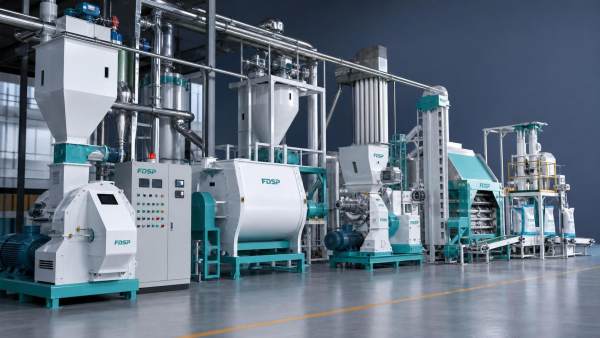
What does a realistic cattle feed processing plant budget actually include?
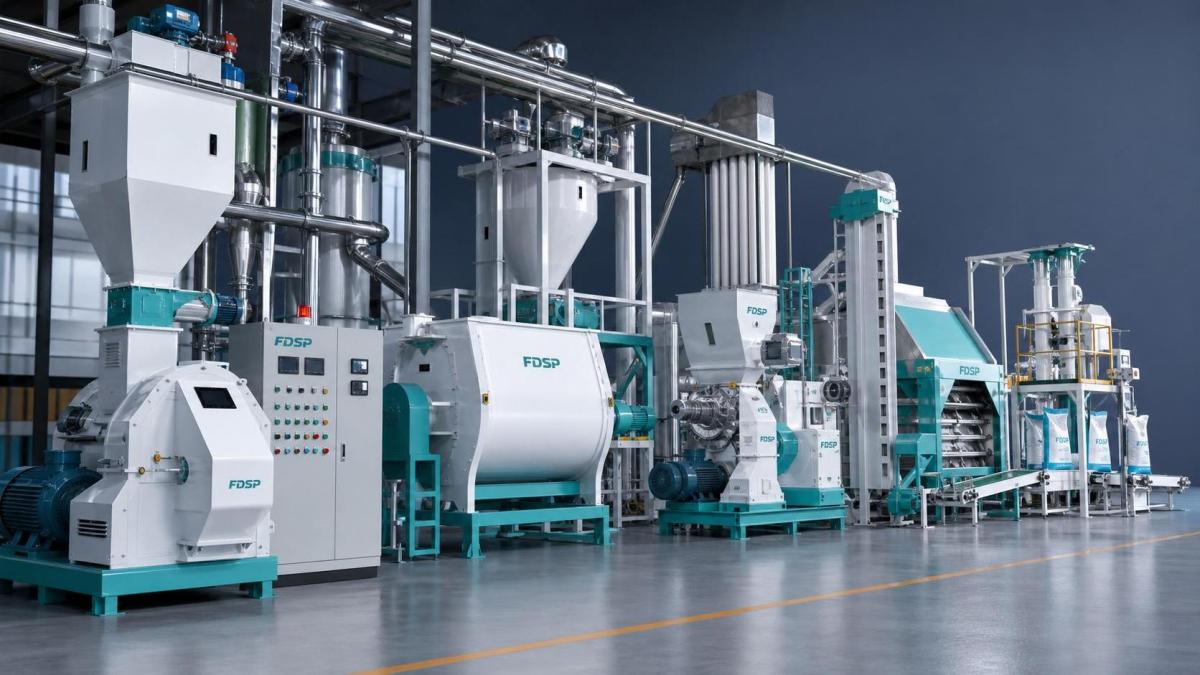
A cattle feed processing plant is rarely judged by equipment price alone.
The stronger budget question is broader: what must be funded before stable production, acceptable energy use, and predictable output are possible?
That matters because capital approval often fails when the estimate stops at the grinder, mixer, pellet mill, and packing line.
In practice, a cattle feed processing plant cost structure usually combines four layers.
- Core process equipment, including intake, grinding, batching, mixing, pelleting, cooling, screening, and bagging.
- Plant infrastructure, such as steel structure, foundations, dust control, conveyors, bins, and control panels.
- Utilities and support systems, especially power supply, steam or boiler services, compressed air, and water treatment.
- Commissioning and operating readiness, including installation, training, spares, compliance checks, and test runs.
For feed and grain processing projects, cost discipline usually improves when each layer is priced separately.
That editorial approach is common in technical journals like AgriChem Chronicle, where machinery, regulation, and supply chain transparency are treated as linked issues.
A simple takeaway is this: the plant is not one machine purchase.
It is a production system whose cost depends on throughput, formula range, utility intensity, and the expected level of operational control.
Which equipment categories drive most of the cattle feed processing plant cost?
Equipment costs usually concentrate in a few high-impact sections, and each one changes the total investment differently.
Grinding is often one of the first cost anchors.
If the formulation requires fine particle size for digestibility or pellet quality, hammer mills with higher power ratings become necessary.
Then comes batching and mixing.
A plant handling multiple ingredients, premixes, and additives needs better load cells, dosing accuracy, and automation than a single-formula line.
Pelleting often has the largest single equipment effect on a cattle feed processing plant budget.
The pellet mill itself is only part of it.
Conditioners, steam systems, coolers, crumbler units, and screens can add substantial cost, especially when target output is high.
Packaging and bulk dispatch also change the business case.
A bulk-only plant may reduce bagging investment, while a retail-ready operation needs weighing, sealing, coding, and pallet handling.
The table below helps separate the line items that are often confused during early budgeting.
A more reliable estimate asks not only what machines are needed, but what production promises those machines must support.
How much do utilities and supporting systems change total project cost?
Utilities are often the quiet budget escalator in a cattle feed processing plant.
When they are under-scoped, the project appears attractive on paper and expensive during installation.
Electrical infrastructure is the first issue to test.
A line with large grinders, pellet mills, and cooling fans may require transformer upgrades, distribution panels, cabling, and protection systems beyond the machine quotation.
Steam is another major variable.
If the cattle feed processing plant uses pelleting, boiler capacity, fuel choice, condensate recovery, and piping quality directly affect both capex and operating cost.
Water use may appear modest, yet treatment and quality control still matter where steam generation or sanitation standards apply.
Compressed air, dust collection, and ventilation are frequently underestimated as well.
These systems do not define the product, but they often define plant stability, safety, and downtime exposure.
In actual project reviews, it is useful to ask three short questions.
- Can the site support the connected electrical load without external upgrades?
- Is steam essential for pellet quality, or can the process remain mash-based?
- Have dust, air, and environmental controls been priced as part of the plant, not as later add-ons?
Those answers often reshape the full cattle feed processing plant cost more than small differences in machine quotations.
Does larger capacity always lower unit cost, or can it raise risk?
Higher capacity usually improves unit economics, but only when utilization is realistic.
This is where many cattle feed processing plant proposals become too optimistic.
A 10 tons per hour line may look efficient on a per-ton basis.
Still, if ingredient supply, market demand, or dispatch capacity supports only six tons per hour, the extra investment may weaken returns.
Capacity affects nearly every budget category.
- Larger throughput demands bigger motors, bins, conveyors, and pellet mills.
- Utility systems scale up, especially transformers, boilers, air systems, and dust extraction.
- Building volume and civil works often increase faster than expected.
- Spare parts and maintenance cost rise with machine size and duty cycle.
More common and more defensible is the right-sized approach.
That means aligning the cattle feed processing plant with expected utilization, seasonal inventory strategy, and future expansion logic.
A line designed for modular expansion can sometimes produce a better investment profile than an oversized plant built for uncertain volume.
When reviewing proposals, focus on effective tons per hour under real formulations, not nameplate output under ideal conditions.
Where do hidden costs and common budgeting mistakes usually appear?
The most expensive mistakes are rarely hidden inside one machine.
They usually sit between equipment scope, site conditions, and start-up assumptions.
One frequent issue is treating installation as a minor line item.
Erection, alignment, electrical work, piping, insulation, and commissioning support can materially change the total project number.
Another mistake is overlooking wear and maintenance economics.
Hammer tips, screens, dies, rollers, and bearings influence annual operating cost, especially in abrasive raw material conditions.
There is also the issue of compliance and traceability.
A cattle feed processing plant serving export-oriented or tightly audited markets may need stronger documentation, contamination control, and batch tracking systems.
That requirement is consistent with the broader industrial standards mindset seen across regulated primary industries.
The most useful warning list is usually short.
- Nameplate capacity quoted without formula-specific performance.
- Utility demand excluded from the supplier’s initial offer.
- Civil works estimated before site survey and soil review.
- Automation included, but operator training and software support omitted.
- Spare parts package priced too lightly for the first operating year.
When these points are checked early, the cattle feed processing plant budget becomes easier to defend internally and easier to compare across suppliers.
What is the most practical way to compare two cattle feed processing plant proposals?
Side-by-side comparison works best when the proposals are normalized around operating reality.
A lower quote can still be the more expensive option if it shifts cost into utilities, downtime, product loss, or later upgrades.
A practical comparison sheet should test at least five points.
- Defined throughput under the actual cattle feed formula mix.
- Specific power and steam consumption per ton.
- Included scope for dust control, controls, packing, and commissioning.
- Expected wear part life, spare cost, and service access.
- Expansion flexibility without major civil or utility redesign.
This is where an industry-journal lens helps.
Projects in feed and grain processing should be evaluated with the same discipline applied in other technically sensitive sectors: verified data, transparent scope, and lifecycle thinking.
Before approval, build a comparison model that separates capex, utility demand, maintenance exposure, and achievable output.
That approach turns a cattle feed processing plant discussion from price checking into investment judgment.
In the next step, define the target capacity, formula complexity, pellet requirement, and site utility limits in one document.
Once those variables are fixed, supplier proposals become easier to compare, hidden costs become easier to spot, and the likely return profile becomes much clearer.
Related Intelligence
- Commercial Feed PelletHow to Build a Sanitary Feed Production Plan That Reduces Cross-ContaminationSanitary feed production planning: reduce cross-contamination with smarter sequencing, validated flushing, material segregation, and traceable sanitation controls.
- Commercial Feed PelletFeed Pellet Mill Sourcing: How to Vet Suppliers for Capacity, Quality, and SupportFeed pellet mill sourcing made smarter: vet suppliers for proven capacity, pellet quality, lifecycle cost, factory controls, commissioning, and reliable after-sales support.
- Commercial Feed PelletFeed Production System Price Trends: Cost Drivers and Budgeting for New LinesFeed production systems price trend insights: compare cost drivers, automation, utilities, compliance, and total ownership costs to budget smarter for new feed lines.
The Morning Broadsheet
Daily chemical briefings, market shifts, and peer-reviewed summaries delivered to your terminal.
