

The Authority in Global Agricultural Chemistry & Bio-Resources
Vietnam Sets IoT Rule for Feed Pellet Imports
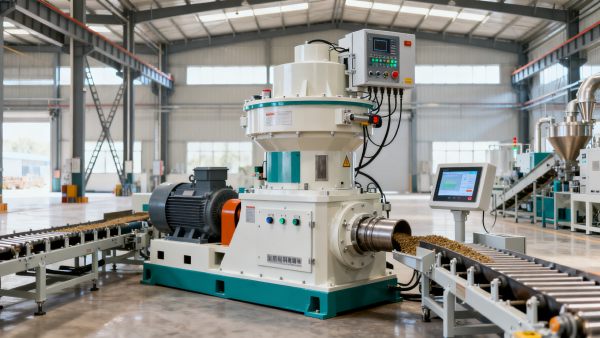
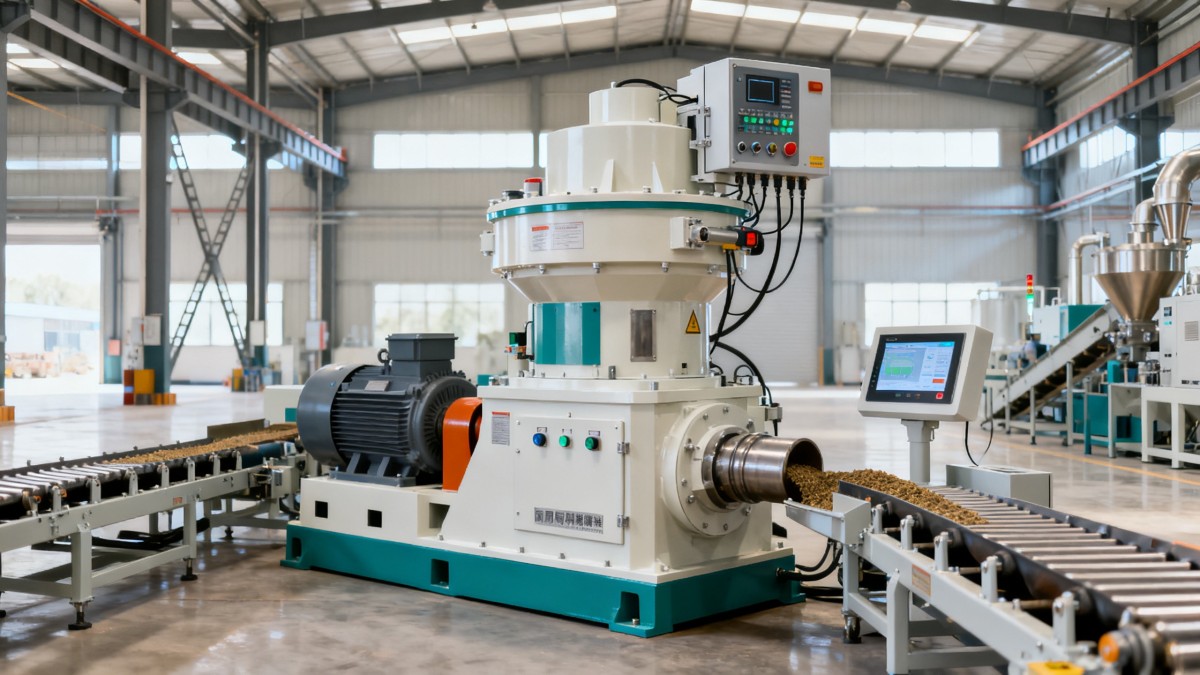
On July 7, 2026, Vietnam’s Ministry of Industry and Trade (MOIT) issued Circular No. 18/2026/TT-BCT, setting a new compliance threshold for imported commercial feed pellet machines. From an industry perspective, the immediate issue is not only the new hardware requirement itself, but the short transition window before August 7, 2026, when import licenses will no longer be issued to machines that do not include a Vietnam IoT-Feed compliant remote monitoring module. For equipment exporters, OEM manufacturers, importers, and delivery teams serving the Vietnam market, this is a practical operational change with direct implications for specification alignment, documentation, and shipment timing.
A Clear Import Condition Takes Effect in 30 Days
According to the information provided, MOIT released Circular No. 18/2026/TT-BCT on July 7, 2026. The rule will take effect on August 7, 2026, and applies to all imported commercial feed pellet machines.
The stated requirement is that imported equipment must integrate a remote operation monitoring module that complies with the Vietnam IoT-Feed standard. The required functions include real-time upload of energy consumption, temperature, and pressure roller speed.
The summary also makes clear that machines without this module will not be granted an import license. It further states that existing CE or ISO certification does not provide an exemption under this requirement.
Where the Pressure Will Be Felt First
Export-oriented OEM production faces a specification shift
Analysis shows that Chinese OEM manufacturers supplying commercial feed pellet equipment to Vietnam may be affected first at the product configuration stage. The issue is not simply regulatory awareness; it is whether current export models already support the required monitoring functions and whether those functions can be aligned with the Vietnam IoT-Feed standard within the remaining transition period.
What deserves closer attention is the likely impact on lead times and localization work. If modules must be added, integrated, or revalidated before shipment, the delivery schedule may be affected even when the base machine itself is otherwise ready for export.
Importers in Vietnam face licensing and shipment coordination risk
For import-side trading companies and buyers, the direct exposure lies in import licensing. Based on the confirmed information, a machine that does not meet the module requirement will not receive an import license after the rule takes effect. Observably, this makes pre-shipment verification more important, especially for orders already in production or close to dispatch.
The practical concern is whether equipment specifications, supporting technical materials, and shipment timing remain consistent with the new rule. Importers will need to pay close attention to any mismatch between contractual configurations and licensable configurations.
Supply chain and service partners may see additional coordination work
From an industry perspective, supply chain service providers, local integration partners, and after-sales teams may also be affected through additional coordination requirements. If compliance depends on module integration and data transmission capability, then communication between manufacturer, exporter, importer, and local service support may become more time-sensitive.
The key point here is not a confirmed downstream outcome, but a likely increase in coordination complexity around delivery readiness, compliance confirmation, and installation-level compatibility.
What Companies Should Track Now
Check whether current export models already match the required functions
Companies shipping commercial feed pellet machines to Vietnam should first verify whether existing models already include remote monitoring functions covering energy consumption, temperature, and pressure roller speed real-time upload, and whether those functions can be presented as compliant with Vietnam IoT-Feed. This is a technical and documentation question, not just a sales question.
Separate international certification from Vietnam-specific market access
The summary explicitly states that CE or ISO certification does not create an exemption. Analysis shows that companies should avoid treating existing international certification as a substitute for this import requirement. The operational implication is that internal compliance review for Vietnam should be handled as a separate market-access task.
Review orders already near shipment or delivery
What deserves closer attention is the transition window. Because the rule was issued on July 7, 2026 and takes effect on August 7, 2026, companies with ongoing orders should review machines that are already scheduled, assembled, or awaiting shipment. The immediate question is whether those units can still meet the licensing condition in time.
Prepare for customer and partner communication around lead times
The provided summary indicates likely pressure on delivery cycles and localization costs for Chinese OEM suppliers. Observably, this makes external communication important. Exporters and importers should be ready to discuss configuration changes, compliance materials, timing risks, and possible adjustments to delivery commitments based on the new rule.
Why This Looks Like More Than a One-Off Technical Detail
Analysis shows that this update is more appropriate to understand as a near-term compliance change with broader policy signaling, rather than as a routine documentation revision. The requirement focuses on real-time operational data functions, which suggests that technical market access for imported commercial feed pellet machines is being defined more specifically at the equipment-monitoring level.
At the same time, it would be premature to treat this alone as a fully settled long-term market pattern beyond the confirmed rule. The immediate result is clear: after August 7, 2026, non-compliant imported machines will not receive import licenses. Beyond that, the industry still needs to watch how the requirement is interpreted in practice and how companies adapt their export configurations.
How This News Is Best Understood for Now
At this stage, the most grounded reading is that Vietnam has introduced a concrete import-access condition for commercial feed pellet equipment, with a short implementation timeline and no exemption based on CE or ISO certification. For the industry, the significance lies less in headline policy language and more in the operational consequences for licensing, configuration control, and delivery planning.
It is more appropriate to understand this as an actionable short-term regulatory change that may also signal a stricter localization path for equipment entering the Vietnam market. The confirmed facts already justify close attention, while some of the longer-term commercial effects still require continued observation.
Basis of This Article and What Still Needs Verification
This article is based on the user-provided news title, event date, and event summary. The core facts referenced here come from the described MOIT measure, the stated effective date, and the stated requirement for Vietnam IoT-Feed compliant remote monitoring modules on imported commercial feed pellet machines.
For this type of industry update, commonly relevant source categories may include official government notices, company compliance notices, industry association updates, authoritative media reporting, and standard-setting documents. The specific official source link was not provided in the input, so continued verification is still necessary.
Follow-up attention should remain on any further official wording, implementation clarification, licensing practice, and any additional explanation related to the Vietnam IoT-Feed compliance requirement.
Related Intelligence
- Commercial Feed PelletHow to Build a Sanitary Feed Production Plan That Reduces Cross-ContaminationSanitary feed production planning: reduce cross-contamination with smarter sequencing, validated flushing, material segregation, and traceable sanitation controls.
- Commercial Feed PelletFeed Pellet Mill Sourcing: How to Vet Suppliers for Capacity, Quality, and SupportFeed pellet mill sourcing made smarter: vet suppliers for proven capacity, pellet quality, lifecycle cost, factory controls, commissioning, and reliable after-sales support.
- Commercial Feed PelletFeed Production System Price Trends: Cost Drivers and Budgeting for New LinesFeed production systems price trend insights: compare cost drivers, automation, utilities, compliance, and total ownership costs to budget smarter for new feed lines.
The Morning Broadsheet
Daily chemical briefings, market shifts, and peer-reviewed summaries delivered to your terminal.
