

The Authority in Global Agricultural Chemistry & Bio-Resources
India Waives Local Label Transition for Feed Pellets
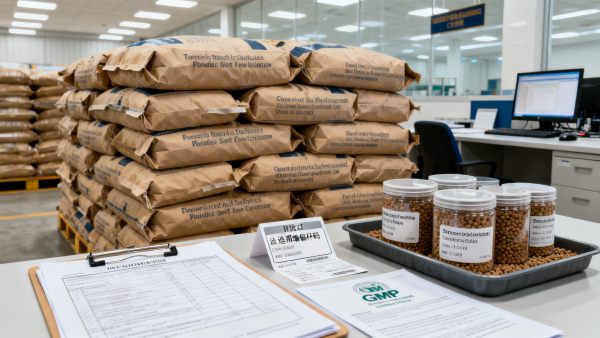
On June 28, 2026, India’s Ministry of Agriculture & Farmers Welfare (MoA&FW) signaled a two-track adjustment for imported commercial feed pellets: importers may continue using existing English labels without the previously expected six-month local-language transition, but from July 15 all batches must be filed electronically through the new Feed Import Digital Portal (FIDP). For feed importers, suppliers, compliance teams, and downstream buyers, the immediate point of attention is that labeling pressure has eased while batch-level digital documentation is becoming mandatory on a fixed timetable.
What the June 28 notice explicitly changes
According to the information provided, MoA&FW issued a notice on June 28, 2026 concerning imported commercial feed pellets. The notice removes the earlier six-month transition period tied to local-language labeling for importers and allows continued use of original English labels with immediate effect.
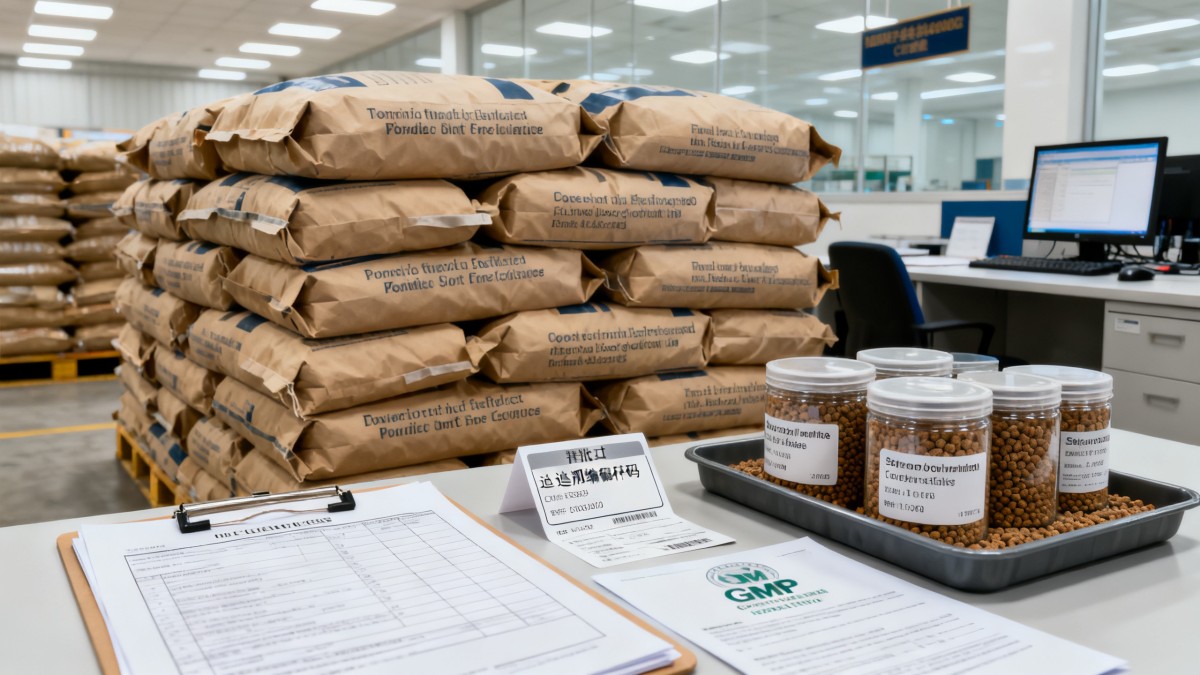
The same notice also requires all importers, starting July 15, to complete electronic filing for every batch of feed pellets through the newly launched Feed Import Digital Portal (FIDP). The required filing items include ingredient traceability codes, nutritional parameters, and GMP certification numbers.
Where the practical impact is likely to appear first
Import operations move from label adjustment to filing readiness
From an industry perspective, direct trading companies importing commercial feed pellets are the first group affected because the operational burden is shifting. The removal of the local-language transition issue may reduce immediate packaging or relabeling friction, but the mandatory FIDP filing creates a new compliance step at the batch level. What deserves closer attention is whether internal documentation and submission workflows are ready before July 15.
Overseas suppliers may face stricter data requests
Analysis shows that upstream suppliers and manufacturers connected to India-bound shipments may be affected through documentation requirements rather than product changes. Because the filing must include ingredient traceability codes, nutritional parameters, and GMP certification numbers, suppliers may need to provide more complete and consistent batch documentation to import partners.
Supply chain service providers will need cleaner handoffs
For logistics, customs support, and compliance service providers, the likely impact is concentrated in document coordination and timing. Even though the notice described here does not add other confirmed procedural steps, batch-by-batch electronic filing can increase the importance of accurate data transfer between supplier, importer, and service partner.
Downstream buyers may watch continuity more than labels
For buyers and users of imported commercial feed pellets, the more relevant issue may be supply continuity and documentation reliability rather than language presentation on packs. Observably, the notice reduces one potential disruption in labeling while introducing a firm deadline for digital record submission, which could influence delivery planning if filing preparation is incomplete.
What companies should focus on before July 15
Confirm the exact scope of batch filing materials
Companies involved in imports should first map the required data fields already identified in the notice: ingredient traceability codes, nutritional parameters, and GMP certification numbers. The practical issue is not only whether these data exist, but whether they can be matched clearly to each shipment batch in a format suitable for portal filing.
Separate label relief from compliance relief
Analysis shows that the waiver on the local-language transition should not be read as a broader easing of compliance obligations. In this notice, the more demanding element is the switch to full electronic batch filing. Firms that focus only on the labeling relief may underestimate the operational significance of the July 15 requirement.
Review supplier documentation discipline
Importers should examine whether overseas suppliers can provide stable, batch-linked records for traceability, nutrition, and GMP credentials. Where documentation is inconsistent, the risk is less about product positioning and more about whether filings can be completed on time and without mismatch.
Prepare communication lines across procurement and delivery teams
What deserves closer attention is coordination between procurement, regulatory, and delivery teams. Even with no confirmed change in product labels, the filing requirement may affect shipment readiness, document review timing, and buyer communication if a batch cannot be filed smoothly through FIDP.
Why this looks like a digital control signal, not just a label update
As an editorial observation, this development is more appropriate to understand as a short-term operational change with a longer-term regulatory signal embedded in it. The immediate fact is straightforward: English original labels remain acceptable for now, while digital filing becomes compulsory from July 15. The broader observation is that the center of control appears to be moving toward structured batch-level reporting rather than front-of-pack language adjustment alone.
That said, this should still be treated as a developing compliance topic rather than a completed policy outcome. The information provided confirms the obligation to file electronically and identifies the data points involved, but it does not by itself answer every practical implementation question. Continued monitoring remains necessary.
How the industry may best read the current development
At this stage, the clearest takeaway is not that import requirements have simply been relaxed or tightened across the board. Instead, the June 28 notice appears to reduce one immediate friction point for commercial feed pellet imports while setting a firm near-term requirement for digital batch registration. A neutral reading is that the industry should treat this as an operational compliance update with possible longer-term significance for traceability and documentation discipline.
Source basis and points that still need verification
This article is based on the user-provided news title, event date, and event summary. For developments of this type, commonly relevant source categories include official government notices, company disclosures, industry association updates, authoritative media reports, and standard-setting documents. A specific official source link was not provided in the input, so the exact text and any subsequent implementation guidance still need continued verification.
Further attention should remain on whether MoA&FW or the FIDP system later provides more detailed filing instructions, clarification of data submission standards, or additional operational guidance related to batch registration.
Related Intelligence
- Commercial Feed PelletFeed Production System Price Trends: Cost Drivers and Budgeting for New LinesFeed production systems price trend insights: compare cost drivers, automation, utilities, compliance, and total ownership costs to budget smarter for new feed lines.
- Commercial Feed PelletHow to Troubleshoot Common Feed Machinery BreakdownsHow to troubleshoot common feed machinery breakdowns with practical checks for blockages, pellet mills, mixers, motors, and preventive maintenance.
- Commercial Feed PelletHow Can Feed Pellet Quality Be Kept Consistent Across Batches?Learn how to ensure feed pellet quality consistency across batches with proven controls for ingredients, conditioning, milling, cooling, testing, and traceable process data.
The Morning Broadsheet
Daily chemical briefings, market shifts, and peer-reviewed summaries delivered to your terminal.
