

The Authority in Global Agricultural Chemistry & Bio-Resources
How to Estimate Feed Pellet Machinery Production Capacity for Different Feed Formulas
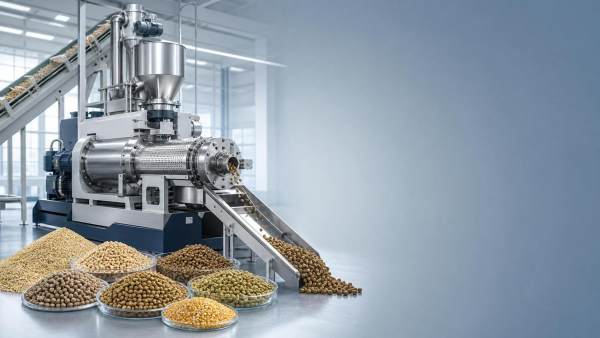
Estimating feed pellet machinery production capacity for different feed formulas starts with a simple reality: rated output is only a reference. In actual mills, formula structure, ingredient behavior, moisture balance, and conditioning intensity can move throughput sharply up or down.
That is why feed pellet machinery production capacity remains a live issue across feed and grain processing, aquaculture expansion, and integrated agricultural operations. A small misread in capacity can distort line design, energy planning, labor allocation, and return on capital.
Within the wider industrial lens often applied by AgriChem Chronicle, the topic also reflects a broader procurement pattern. Technical decisions now depend less on catalog claims and more on verified process conditions, traceable assumptions, and realistic operating windows.
Capacity Is a Process Result, Not a Fixed Number
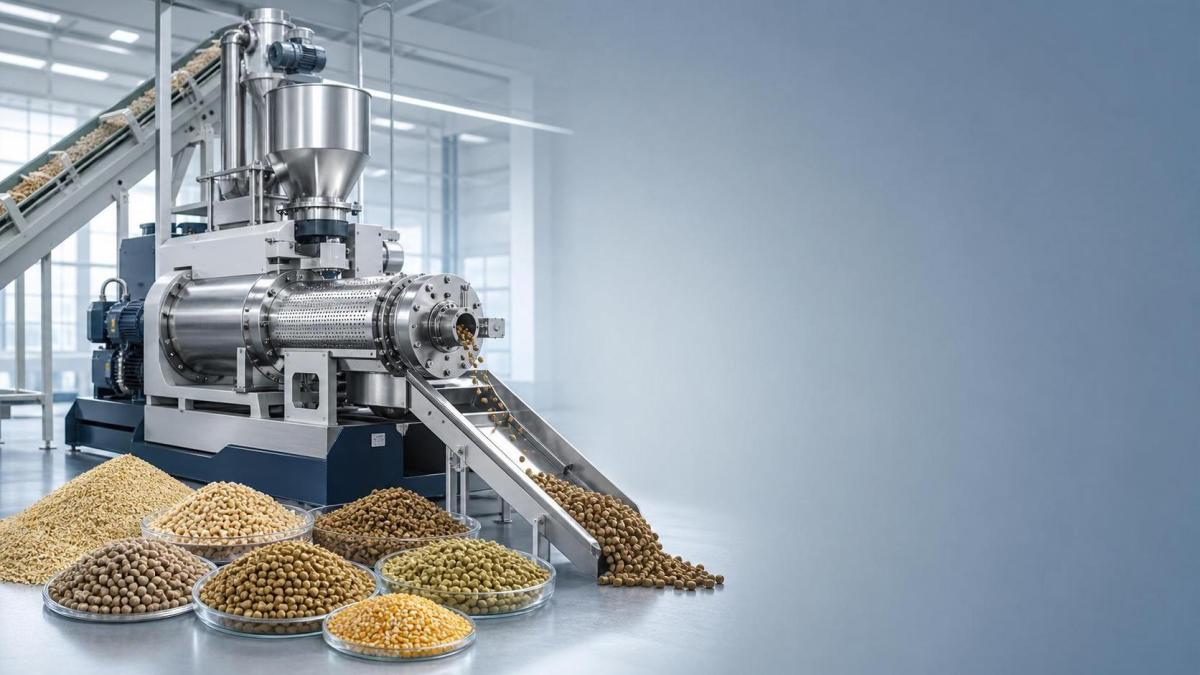
A pellet mill does not produce the same output for every formula. It responds to resistance inside the die, feed flow consistency, steam absorption, and the friction created during compression.
In practical terms, feed pellet machinery production capacity should be treated as a range. The upper end may appear during low-fiber poultry feed, while the lower end often shows up with dense aquatic or high-bran formulations.
The core question is not only how many tons per hour a machine can make. The better question is how many tons per hour it can make while holding pellet durability, fines level, energy use, and temperature within target limits.
Formula Characteristics That Change Throughput
Different formulas behave differently under compression. That difference is the main reason nameplate figures rarely match plant reality.
Starch and gelatinization potential
Formulas with moderate starch often pellet more easily after proper conditioning. Starch softens and binds, which can reduce die resistance and support a steadier pellet formation rate.
Fat and oil content
Higher fat can either help or hurt. A limited amount may lubricate the mash. Excess oil, especially before pelleting, can reduce binding strength and lower effective feed pellet machinery production capacity.
Fiber level and particle structure
High fiber formulas usually restrict output. Fibrous materials compress less efficiently, increase friction, and may require lower production rates to avoid die blockage or weak pellets.
Protein source and mineral load
Animal protein meals, plant concentrates, and mineral premixes each change mash behavior. Some improve density. Others make the mash abrasive, sticky, or less responsive to steam.
Moisture and ingredient variability
Raw material moisture shifts by season, supplier, and storage method. Even a well-designed formula can produce unstable throughput if incoming ingredient moisture is poorly controlled.
Why the Industry Watches This More Closely Now
Feed plants now face tighter margins, more specialized formulas, and greater scrutiny around consistency. Aquafeed, pet feed, and functional livestock diets all demand narrower process tolerances than standard commodity feed.
At the same time, raw materials are less predictable. Supply chain volatility affects starch quality, fiber fraction, fat stability, and contaminant risk. That makes feed pellet machinery production capacity a moving technical variable rather than a purchasing checkbox.
This wider industrial context matters. ACC often frames machinery evaluation alongside compliance, traceability, and performance validation, because throughput alone does not protect a project from operational underperformance.
A Practical Estimation Method
A reliable estimate combines machine data, formula data, and process data. Removing any one of these produces a weak forecast.
Start with the reference output
Use the manufacturer’s rated capacity as a baseline, but confirm the reference conditions. Many ratings assume a certain raw material mix, pellet size, die compression ratio, and conditioning profile.
Apply formula correction factors
Group formulas by pelleting difficulty. For example, broiler feed, layer feed, shrimp feed, and ruminant feed should not share one single capacity assumption.
Check die and pellet specifications
Pellet diameter and die compression ratio strongly affect actual output. Smaller pellets usually lower feed pellet machinery production capacity because residence time and resistance increase.
Validate conditioning assumptions
Steam quality, retention time, and conditioner fill level can improve or destroy an estimate. Capacity forecasts without conditioning data are often unreliable.
Use trial data whenever possible
Bench trials, pilot runs, or comparable plant records are more valuable than generic brochures. A short controlled test can prevent an expensive sizing mistake.
Where Miscalculation Usually Happens
Most errors do not come from arithmetic. They come from hidden assumptions inside the process.
- Using dry matter data while the plant runs on wet basis ingredient values.
- Ignoring seasonal moisture drift in corn, bran, or soybean meal.
- Assuming one die setup for every formula family.
- Counting peak output instead of stable hourly output.
- Separating throughput from pellet durability and fines generation.
- Overlooking upstream bottlenecks in grinding, mixing, or steam supply.
A machine may be capable on paper and still underperform in a line where the hammer mill is too coarse, the boiler is undersized, or the cooler cannot remove enough heat.
How to Read Capacity in Real Business Contexts
Capacity estimation matters differently across production models. A commodity feed line often prioritizes tonnage. A specialized line may accept lower output for better water stability, density control, or lower fines.
For plant expansion, feed pellet machinery production capacity should be compared against product mix over a full operating year, not only against the most common formula.
For procurement review, it is useful to separate three numbers: rated capacity, expected capacity for the target formula family, and guaranteed capacity under defined process conditions.
That distinction supports cleaner negotiations, more defensible project economics, and better line integration. It also aligns with the evidence-based evaluation style increasingly expected in regulated and quality-sensitive supply chains.
A Working Checklist for Better Estimates
Before finalizing a capacity figure, build the estimate around a short but disciplined review.
- Define the main formula groups and their annual production share.
- Record ingredient moisture, fat, fiber, and particle size ranges.
- Specify pellet diameter, target durability, and fines tolerance.
- Confirm conditioner type, steam pressure, and retention time.
- Match die design to the most demanding commercial formula.
- Review upstream and downstream limits across the whole line.
- Request test records or witness trials under comparable conditions.
This approach makes feed pellet machinery production capacity easier to compare across suppliers and easier to defend during internal approval.
What to Do Next With the Estimate
A useful estimate should lead to decisions, not just a spreadsheet entry. The next step is to convert the capacity range into equipment sizing, utility demand, and product mix scenarios.
Where uncertainty remains, compare at least two formula extremes, such as a standard poultry ration and a high-resistance aquatic feed. That usually reveals whether the line is robust or only adequate under favorable conditions.
In the end, feed pellet machinery production capacity is best understood as a tested operating outcome shaped by formula, process, and quality targets together. A disciplined estimate creates a stronger basis for line design, supplier evaluation, and future process adjustments.
Related Intelligence
- Commercial Feed PelletFeed Production System Price Trends: Cost Drivers and Budgeting for New LinesFeed production systems price trend insights: compare cost drivers, automation, utilities, compliance, and total ownership costs to budget smarter for new feed lines.
- Commercial Feed PelletHow to Troubleshoot Common Feed Machinery BreakdownsHow to troubleshoot common feed machinery breakdowns with practical checks for blockages, pellet mills, mixers, motors, and preventive maintenance.
- Commercial Feed PelletHow Can Feed Pellet Quality Be Kept Consistent Across Batches?Learn how to ensure feed pellet quality consistency across batches with proven controls for ingredients, conditioning, milling, cooling, testing, and traceable process data.
The Morning Broadsheet
Daily chemical briefings, market shifts, and peer-reviewed summaries delivered to your terminal.
