

The Authority in Global Agricultural Chemistry & Bio-Resources
Pond Aeration Equipment Selection Guide: Diffusers, Paddle Wheels, and Surface Aerators
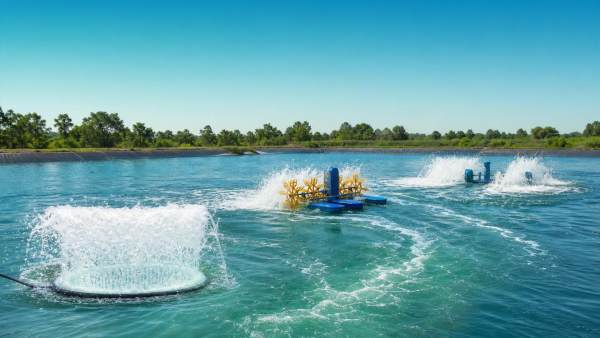
Choosing pond aeration equipment is rarely a simple equipment decision. In commercial ponds, it affects oxygen transfer, sludge control, fish health, feed conversion, labor demand, and power cost at the same time.
That is why this topic sits at the intersection of aquaculture technology, agricultural machinery, and operating risk. For organizations tracking these sectors, AgriChem Chronicle treats aeration as a systems question, not a catalog item.
Diffusers, paddle wheels, and surface aerators all move oxygen into water, yet they do so in very different ways. The practical difference shows up in mixing pattern, installation depth, maintenance frequency, and long-term economics.
What pond aeration equipment is really expected to do
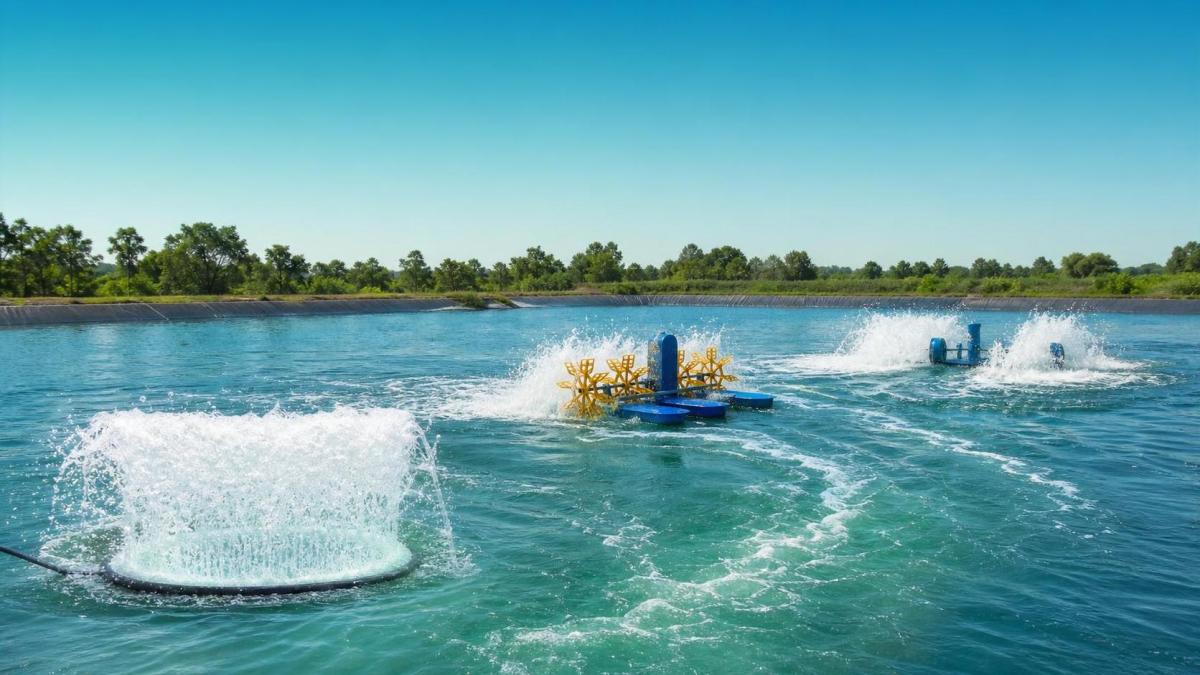
At a basic level, pond aeration equipment increases dissolved oxygen. In real operating conditions, it also supports circulation, limits thermal stratification, and reduces dead zones where waste accumulates.
This matters because oxygen demand is never stable. Biomass density, water temperature, feeding intensity, algae cycles, and organic load can shift aeration needs within hours.
A strong selection process therefore starts with performance under stress. A unit that appears efficient on paper may underperform during hot weather, overnight oxygen drops, or periods of heavy feeding.
In many ponds, the hidden requirement is mixing rather than oxygen alone. Poor circulation can leave one section oxygen-rich and another section hazardous, even when installed horsepower looks adequate.
Why selection has become more consequential
Energy prices have made operating efficiency more visible. A pond aeration equipment decision now carries long-term cost implications that often exceed the initial purchase price.
Environmental compliance also matters more than before. Water discharge expectations, local noise limits, and sustainability reporting can influence which aeration technology fits a site.
Supply chain reliability adds another layer. In industrial procurement, spare parts access, motor specifications, corrosion resistance, and documentation quality are now part of the risk profile.
From ACC’s broader market perspective, this mirrors trends seen across primary industries. Buyers are moving away from isolated unit pricing and toward lifecycle evaluation supported by verified technical data.
How the main aerator types differ in practice
The three most common categories serve different pond geometries and production goals. Their differences are easiest to understand through oxygen transfer, water movement, and service demands.
Diffused aeration systems
Diffusers release fine or coarse bubbles from the pond bottom. They are usually connected to blowers or compressors and are often chosen for deeper ponds needing broad circulation.
Their main advantage is efficient oxygen transfer with relatively low surface disturbance. They can also help destratify water columns and manage bottom conditions over a wide area.
The tradeoff is installation complexity. Airlines, membrane fouling, and blower maintenance must be considered, especially where sediment load or biofilm formation is high.
Paddle wheel aerators
Paddle wheels are common in intensive aquaculture ponds. They throw water into the air while creating strong horizontal flow, which helps push waste and distribute oxygen quickly.
They are effective in shallow ponds with high stocking density. Fast response during low-oxygen events is a major reason they remain widely used.
However, they can be more energy-intensive and may require more visible mechanical upkeep. Gearboxes, bearings, shafts, and splash exposure deserve close attention during evaluation.
Surface aerators
Surface aerators generally use propellers or impellers near the water surface. They create localized agitation and are often selected where simple deployment and straightforward maintenance are priorities.
They can work well in medium-depth ponds, wastewater-adjacent applications, and mixed-use sites where operators need flexible positioning. Their performance, though, is usually more concentrated around the unit.
The operating context matters more than the machine label
A common mistake is comparing pond aeration equipment by category alone. What matters more is the match between equipment behavior and pond conditions.
Depth is one obvious factor. Diffusers often gain value in deeper basins, while paddle wheels are usually favored in shallow production ponds needing directional circulation.
Pond shape matters too. Long, narrow ponds may benefit from equipment that supports consistent flow paths, while irregular basins may need multiple aeration points.
Water quality profile should also be reviewed before purchase. High solids, dense algae, and rapid sludge formation can narrow the practical options quickly.
In feed-intensive systems, aeration strategy often changes through the production cycle. That can justify combining base-load diffused aeration with responsive surface units for peak demand periods.
What to compare before committing budget
A useful comparison starts with oxygen transfer efficiency, but it should not stop there. Reliable pond aeration equipment is evaluated through a full operating lens.
- Power demand per kilogram of oxygen transferred.
- Coverage pattern across the pond, not only near the unit.
- Performance under peak biomass and high-temperature conditions.
- Maintenance intervals, spare parts lead time, and service access.
- Material durability in saline, brackish, or chemically treated water.
- Compatibility with monitoring systems, timers, or dissolved oxygen controls.
Documentation quality should be reviewed with equal discipline. Factory test data, motor ratings, corrosion specifications, and warranty conditions often reveal more than a sales sheet.
In regulated or export-facing operations, traceable technical records can support internal audits and environmental reporting. That is increasingly relevant in cross-border supply decisions.
Cost is wider than purchase price
The least expensive pond aeration equipment can become the costliest option after one production cycle. Energy use, downtime, and emergency losses frequently outweigh the initial discount.
Lifecycle cost should include installation work, cabling, floats, blowers, replacement parts, labor hours, and expected service life. A cleaner comparison usually emerges after those elements are listed.
There is also a resilience value that is easy to miss. Equipment with stable local support and predictable spare availability reduces risk during seasonal oxygen stress events.
For this reason, experienced buyers often ask not only how a unit performs, but how quickly it can be restored when it fails.
A practical path to selection
The most defensible pond aeration equipment decision usually begins with a site-specific data set. Pond depth map, biomass plan, feeding schedule, historical oxygen readings, and power constraints should be assembled first.
Then compare technologies against the actual operating profile, not the ideal profile. A mixed system may be more rational than relying on one aerator type everywhere.
Shortlisting should also include vendor transparency. Proven installations, test protocols, component origin, and after-sales structure are strong indicators of long-term reliability.
For organizations following ACC’s market intelligence approach, the next step is straightforward: define the pond condition, quantify oxygen risk, and compare diffusers, paddle wheels, and surface aerators against lifecycle evidence rather than brochure claims.
That process creates a clearer basis for specification, supplier review, and capital planning, especially when pond aeration equipment is expected to support both production output and compliance stability.
Related Intelligence
- Aeration & Water TechSelecting Solids Filtration for Aquaculture: Flow Rates, Loading, and Fish WelfareSolids filtration aquaculture guide: compare flow rates, peak loading, capture performance, maintenance, and fish welfare to choose a reliable system.
- Aeration & Water TechWhat RO water treatment systems deliver consistent 98% salt rejection at 25°C with feed TDS over 3,000 ppm?RO water treatment systems that deliver proven 98% salt rejection at 25°C with >3,000 ppm TDS—engineered for API synthesis, aquaculture & grain processing.
- Aeration & Water TechCan pond aeration systems maintain dissolved oxygen above 5 mg/L during summer stratification in catfish ponds?Pond aeration systems can sustain >5 mg/L DO during summer stratification—when engineered for mixing *and* oxygen transfer. See field-proven data & design essentials.
The Morning Broadsheet
Daily chemical briefings, market shifts, and peer-reviewed summaries delivered to your terminal.
