

The Authority in Global Agricultural Chemistry & Bio-Resources
India Tightens Feed Pellet Import Rules from Aug. 15
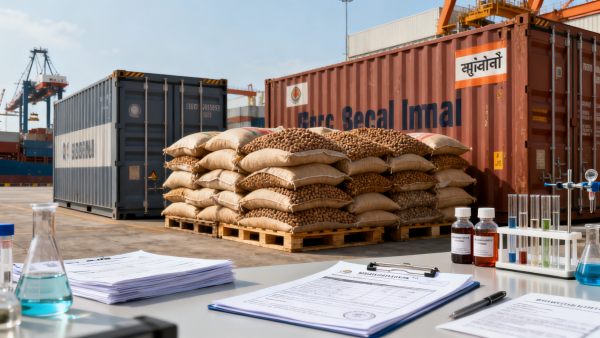
India’s imported commercial feed pellet market faces an immediate compliance shift from August 15, 2026, after the Food Safety and Standards Authority of India (FSSAI) moved to enforce updated microbiological limits under the FSS (Animal Feed) Regulations, Amendment 2026. For exporters, importers, testing providers, and customs-facing supply chain teams, the change matters because market access and clearance timing will now depend more directly on whether shipments meet the new microbial thresholds and carry the required third-party documentation.
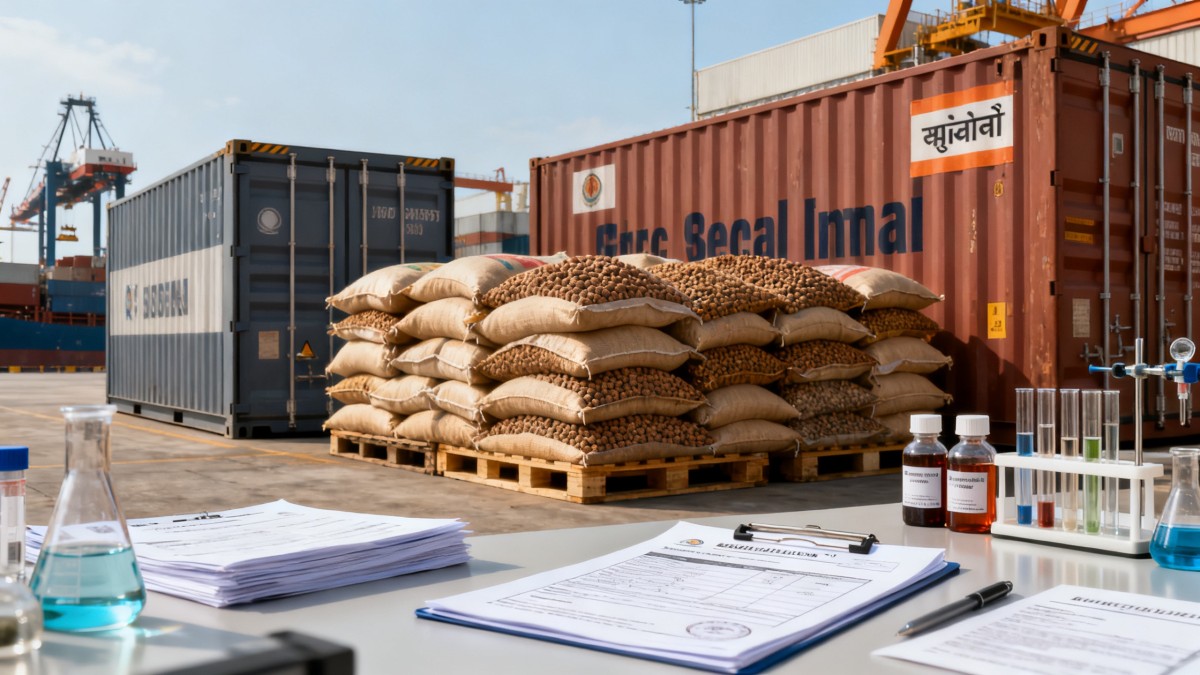
What the New Requirement Covers
According to the information provided, FSSAI issued a notice on July 31, 2026 requiring all imported Commercial Feed Pellet to comply with revised microbiological safety standards from August 15, 2026. The updated rules introduce mandatory limits including non-detection of Salmonella and a total aerobic count of no more than 10^4 CFU/g.
The same notice also requires imported shipments to be accompanied by a third-party test report issued by an NABL-recognized laboratory. The policy is described as directly affecting compliance entry into the Indian market and customs clearance efficiency for global feed pellet exporters.
Where the Pressure Will Be Felt First
Exporters shipping into India
From an industry perspective, exporters are the first group likely to feel the operational impact because the rule connects product compliance with shipment admissibility. The main pressure points are pre-shipment testing, document readiness, and the ability to demonstrate conformity before cargo reaches India.
Indian importers managing market entry
Importers may be affected because they sit at the point where regulatory compliance turns into a customs and clearance issue. What deserves closer attention is whether suppliers can provide the required laboratory documentation in the expected format and within the shipment timeline, since any mismatch between cargo and paperwork could affect entry processing.
Laboratory and compliance service providers
Testing and compliance support providers may also see a more central role in transaction execution. The immediate relevance is not broader market expansion as a confirmed fact, but the practical need for recognized third-party reports tied to the new microbiological benchmarks.
Logistics and customs-facing supply chain teams
Supply chain service providers are likely to be affected at the documentation and handover stage. Analysis shows that when a rule links laboratory evidence with clearance, timing risk can move upstream into booking, dispatch, and import coordination rather than remaining only at the port of entry.
What Companies Should Track Now
Alignment between product testing and shipment timing
Companies involved in feed pellet trade to India should closely review whether existing testing routines match the August 15 enforcement date and the specific microbial thresholds named in the update. The practical issue is not only passing a test, but ensuring the report is available in time to support shipment movement and clearance.
Acceptance of third-party reports
Another immediate point is the documentation requirement itself. Businesses should verify how they obtain and manage third-party reports from NABL-recognized laboratories, because the rule as described makes that document part of the compliance pathway rather than an optional support file.
Supplier coordination and contract execution
For importers and exporters, this is also a supplier management issue. Observably, firms may need to confirm in advance who is responsible for testing, how reports are transmitted, and whether delivery commitments account for the added compliance step.
Difference between rule text and operational practice
What deserves closer attention is the gap that can exist between a published requirement and day-to-day implementation at the transaction level. Companies should continue watching for any further official clarification on how the standard and supporting documents will be checked in practice during import processing.
How to Read This Change at This Stage
Analysis shows that this is more than a routine paperwork adjustment, because the new requirement combines hard microbiological limits with a laboratory reporting obligation. That said, it is more appropriate to understand this as a concrete compliance change already taking effect on imported commercial feed pellets, while still treating the full operational impact on clearance speed and supplier arrangements as something that requires continued observation.
From an industry perspective, the short implementation window is part of why the update deserves attention. The rule does not merely signal a policy direction; it creates an immediate checkpoint for shipments entering India after the effective date.
The Practical Meaning for the Feed Trade
The immediate significance of this update lies in how closely product conformity, third-party verification, and import timing are now tied together for commercial feed pellets entering India. For affected businesses, the most rational reading is neither to overstate the disruption nor to dismiss it as a routine technical revision. It is better understood as a near-term regulatory change with direct transactional consequences and a longer-term signal that microbiological compliance documentation is becoming more central to market access.
Basis of This Article
This article is based on the user-provided news title, event date, and event summary concerning FSSAI’s microbiological limit requirements for imported commercial feed pellets effective August 15, 2026.
For this type of industry update, commonly relevant source categories may include official notices, company disclosures, industry association updates, authoritative media reporting, and standards-related documents. A specific official source link was not provided in the input, so the exact publication reference still needs ongoing verification. Continued monitoring should focus on any further official clarification regarding enforcement practice, document review expectations, and implementation details at the import clearance stage.
Related Intelligence
- Commercial Feed PelletHow feed pellet machine wear rates vary with soybean meal inclusion and die temperatureFeed pellet machine die wear spikes with soybean meal—discover how real-time die temperature control cuts wear by up to 40%. Optimize now.
- Commercial Feed PelletHow to Build a Feed Mixing Plan That Improves Uniformity and Cuts WasteFeed mixing planning made practical: learn how to improve batch uniformity, reduce carryover, and cut feed waste with smarter sequencing, load control, and micro-ingredient handling.
- Commercial Feed PelletChina Beef Safeguard Notice Tightens Traceability Pressure on Feed Pellet ExportsChina beef safeguard notice may tighten traceability and GMP checks for feed pellet exports, raising compliance pressure and buyer scrutiny.
The Morning Broadsheet
Daily chemical briefings, market shifts, and peer-reviewed summaries delivered to your terminal.
