

The Authority in Global Agricultural Chemistry & Bio-Resources
Feed & grain processing technology trends worth watching
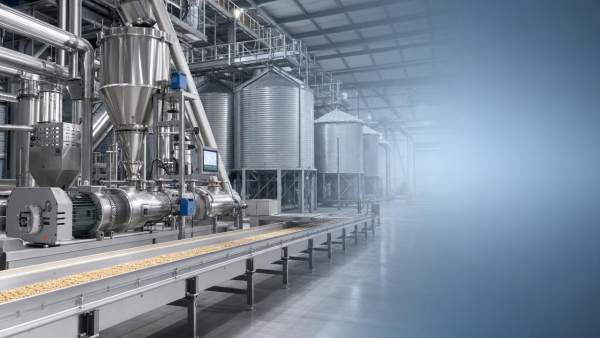
Feed & Grain processing technology is entering a new phase shaped by automation, energy efficiency, traceability, and tighter quality controls. As raw material volatility, labor constraints, and regulatory scrutiny intensify, understanding which developments matter most has become a practical business priority. This article reviews the Feed & Grain processing technology trends worth watching and translates them into a usable decision framework.
Why a checklist approach matters in Feed & Grain processing technology
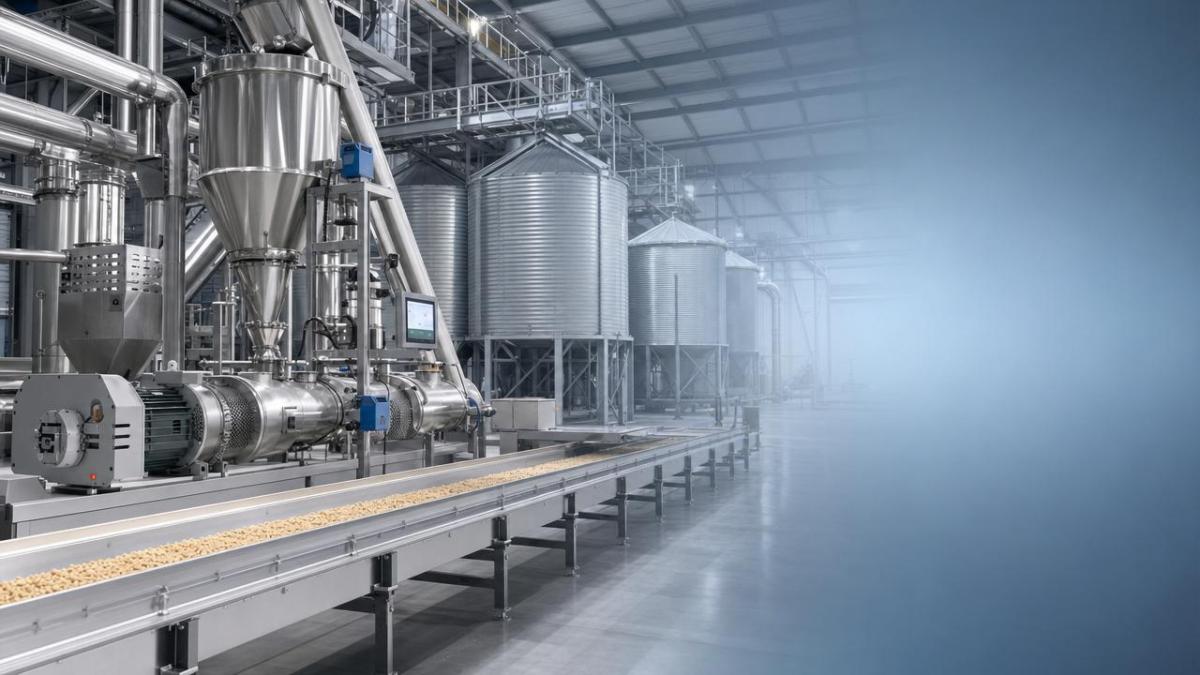
Feed & Grain processing technology investments rarely fail because one machine underperforms. They fail when capacity, energy use, formulation control, data visibility, and compliance planning are evaluated in isolation.
A checklist-based review helps compare options across mills, storage systems, ingredient handling, thermal processing, and digital monitoring. It also reduces the risk of buying technology that solves one bottleneck while creating another.
In the broader industrial landscape, Feed & Grain processing technology now overlaps with food safety systems, industrial automation, emissions management, and supply chain intelligence. That makes structured evaluation especially useful.
Core checklist: technology trends worth watching
- Prioritize integrated automation that links intake, grinding, batching, pelleting, cooling, and packaging, so process deviations are detected early and labor dependence is reduced without losing operator oversight.
- Measure energy intensity by process step, then compare motors, steam systems, dryers, and air handling upgrades, because rising utility costs often erode margins faster than equipment depreciation.
- Adopt real-time sensor networks for moisture, temperature, particle size, and throughput, enabling Feed & Grain processing technology decisions based on live production data instead of shift-end reports.
- Upgrade traceability architecture from lot records to digital batch histories, making it easier to validate ingredient origins, monitor recalls, and satisfy customer and regulatory documentation requirements.
- Evaluate precision grinding and particle size control, since feed conversion, pellet quality, flowability, and downstream mixing performance all depend heavily on consistent size distribution.
- Review thermal processing technologies such as conditioning, extrusion, and drying with equal attention to pathogen reduction, nutrient retention, and energy balance across the full line.
- Strengthen contamination prevention through magnetic separation, aspiration, dust control, and hygienic equipment design, especially where product changeovers or sensitive ingredient streams increase cross-contact risk.
- Compare modular system designs that allow staged expansion, because scalable Feed & Grain processing technology can protect capital while preserving flexibility during uncertain demand cycles.
- Check software interoperability between PLC, SCADA, ERP, laboratory systems, and maintenance platforms, so data can support decisions on quality, inventory, uptime, and cost optimization.
- Build sustainability metrics into procurement reviews, including water use, emissions, heat recovery, dust capture, and waste reduction, as environmental performance increasingly affects market access and financing.
How these Feed & Grain processing technology trends play out in different scenarios
High-throughput grain handling and storage operations
In large-volume grain flows, the most valuable Feed & Grain processing technology often starts upstream. Automated receiving, inline moisture analysis, and smart aeration reduce losses before grain reaches primary processing equipment.
Condition monitoring also matters here. Conveyor loads, bearing temperatures, and silo conditions should feed one dashboard. That visibility lowers unplanned downtime and protects product quality during peak intake periods.
Compound feed and premix production
For feed applications, formulation accuracy and batch repeatability are central. Advanced dosing, micro-ingredient automation, and digital verification reduce variance that can otherwise affect performance, compliance, and customer confidence.
Pellet mills are also evolving. New Feed & Grain processing technology focuses on die life, steam control, and closed-loop adjustment. The goal is not just output volume, but stable pellet durability and lower specific energy use.
Specialty ingredients and value-added processing
Operations producing fortified blends, protein-rich ingredients, or specialty grain products need tighter process windows. In these settings, traceability, hygienic design, and analytical data integration carry more strategic weight than simple throughput.
Flexible line configuration becomes a major advantage. Shorter runs, frequent changeovers, and premium specifications reward Feed & Grain processing technology that supports cleaning efficiency and recipe control.
Commonly overlooked issues and risk signals
Undervaluing data quality
Digital tools are only as useful as the data they receive. Poor calibration, disconnected systems, and inconsistent naming conventions can turn advanced Feed & Grain processing technology into a reporting burden rather than a decision asset.
Focusing on peak capacity alone
Nameplate throughput can be misleading. Bottlenecks often appear in ingredient intake, transfer, conditioning time, cooling, or packaging. Technology selection should reflect sustained performance under real operating conditions.
Ignoring maintenance access and parts strategy
Compact designs may look efficient on paper, but difficult service access can increase downtime. Feed & Grain processing technology should be evaluated alongside spare parts availability, training needs, and maintenance response timelines.
Treating compliance as a final-stage review
Safety, dust mitigation, sanitation, emissions, and documentation requirements must shape project design from the start. Retrofitting compliance features later usually costs more and disrupts operations.
Practical execution steps for evaluating Feed & Grain processing technology
- Map the full process from intake to dispatch, then identify where yield loss, energy waste, quality drift, or manual interventions occur most often.
- Rank investment options by operational impact, not by novelty, using clear metrics such as uptime, kWh per ton, shrink reduction, and batch consistency.
- Request pilot results, reference installations, and validation data that reflect similar materials, climates, and production volumes.
- Test integration readiness early by reviewing control logic, software compatibility, cybersecurity practices, and remote support capabilities.
- Plan workforce adoption with training, standard operating procedures, and alarm management, so new systems improve decisions instead of overwhelming teams.
Decision summary and next actions
The most important Feed & Grain processing technology trends are not isolated product features. They are connected capabilities built around automation, process control, traceability, hygienic design, and resource efficiency.
The strongest next step is to audit current process constraints against the checklist above. From there, compare technologies by lifecycle value, integration fit, and compliance readiness rather than upfront cost alone.
In a market defined by tighter margins and higher standards, better Feed & Grain processing technology decisions will come from disciplined evaluation, measurable targets, and phased implementation grounded in operational reality.
Related Intelligence
- Commercial Feed PelletHow to Build a Sanitary Feed Production Plan That Reduces Cross-ContaminationSanitary feed production planning: reduce cross-contamination with smarter sequencing, validated flushing, material segregation, and traceable sanitation controls.
- Commercial Feed PelletFeed Pellet Mill Sourcing: How to Vet Suppliers for Capacity, Quality, and SupportFeed pellet mill sourcing made smarter: vet suppliers for proven capacity, pellet quality, lifecycle cost, factory controls, commissioning, and reliable after-sales support.
- Commercial Feed PelletFeed Production System Price Trends: Cost Drivers and Budgeting for New LinesFeed production systems price trend insights: compare cost drivers, automation, utilities, compliance, and total ownership costs to budget smarter for new feed lines.
The Morning Broadsheet
Daily chemical briefings, market shifts, and peer-reviewed summaries delivered to your terminal.
