

The Authority in Global Agricultural Chemistry & Bio-Resources
How to compare Agri & Forestry machinery manufacturers
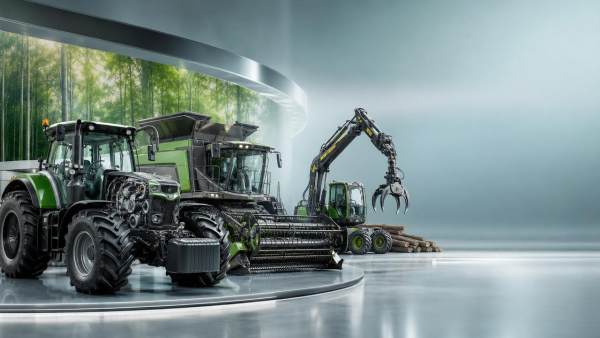
Choosing among Agri & Forestry machinery manufacturers is no longer just about price or product range. A reliable comparison now requires technical scrutiny, compliance awareness, and supply continuity assessment.
Across the broader industrial landscape, machinery sourcing affects uptime, operator safety, service costs, and regional market competitiveness. A weak supplier decision can create delays that outlast one sales cycle.
This guide explains how to compare Agri & Forestry machinery manufacturers using practical, procurement-oriented criteria. It focuses on build quality, certification, aftermarket depth, engineering capability, and long-term operational fit.
Core definition and comparison scope
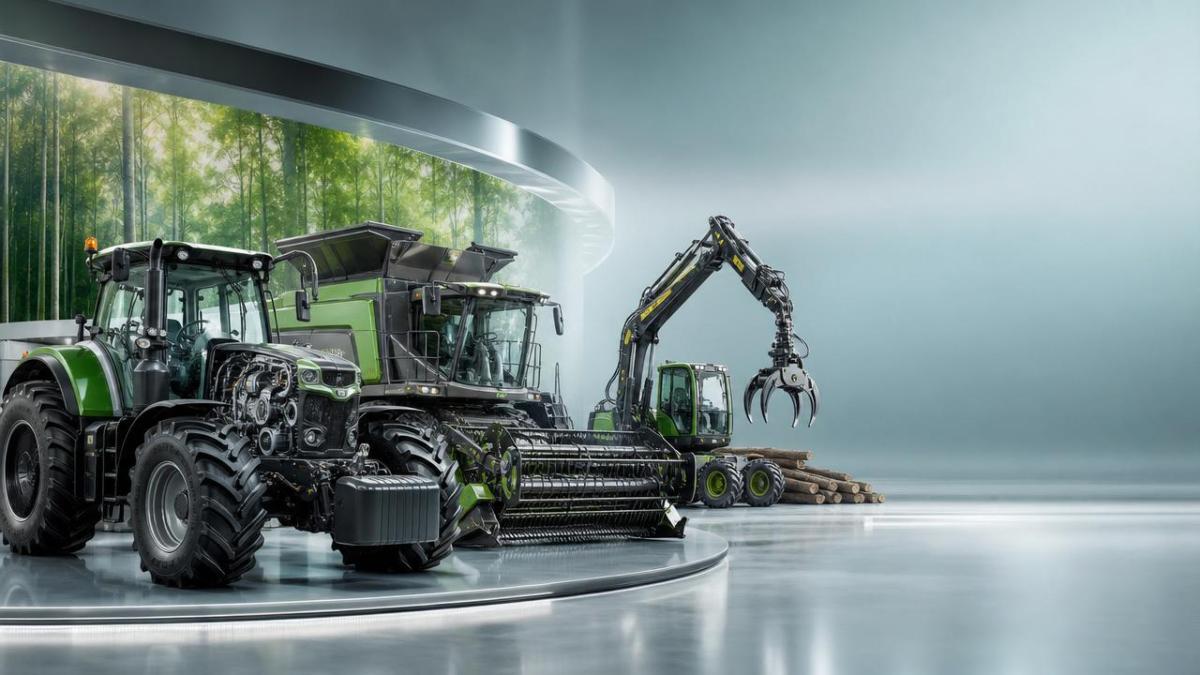
The term Agri & Forestry machinery manufacturers covers companies producing equipment for field cultivation, harvesting, timber handling, land preparation, and biomass processing.
This includes tractors, sprayers, seeders, balers, harvesters, mulchers, skidders, chippers, loaders, and specialized attachments. Some firms build complete machines, while others focus on key subsystems.
A sound comparison should separate brand visibility from manufacturing capability. Well-known labels do not always indicate stable component sourcing, durable assembly practices, or responsive technical support.
At a basic level, comparison should cover six dimensions: engineering design, production consistency, regulatory alignment, parts logistics, service structure, and total lifecycle cost.
What should be included in the review
- Machine performance under real load conditions
- Material grade and structural durability
- Emissions, safety, and export compliance status
- Spare parts lead times and stocking policy
- Technical documentation quality
- Warranty terms and field service responsiveness
Industry signals shaping manufacturer evaluation
The market for Agri & Forestry machinery manufacturers is being reshaped by emissions policy, digital diagnostics, labor pressure, and raw material volatility.
These shifts matter because they influence machine design, product pricing, maintenance complexity, and the availability of replacement assemblies over time.
When comparing Agri & Forestry machinery manufacturers, these external signals help explain why two similar-looking machines can perform very differently in field support and regulatory readiness.
Key criteria for comparing Agri & Forestry machinery manufacturers
1. Build quality and design integrity
Start with frame construction, weld consistency, corrosion protection, hose routing, gearbox sealing, and bearing selection. These details often predict service life better than brochure horsepower figures.
Ask whether the design reflects real terrain conditions. Agricultural and forestry equipment faces dust, shock loads, moisture, vibration, and operator variability every day.
2. Compliance and certification profile
Review CE conformity, engine emissions status, safety labeling, hydraulic standards, and destination-market documentation. Export-ready Agri & Forestry machinery manufacturers usually maintain cleaner technical files.
For forestry equipment, rollover protection, cabin safety, guarding systems, and braking performance deserve extra attention. Missing compliance evidence can become a major commercial barrier.
3. Manufacturing capacity and process control
A manufacturer should demonstrate stable output, traceable components, inspection routines, and supplier qualification procedures. Production scale matters only when quality remains repeatable.
Look for indicators such as incoming material checks, torque verification, test-bench records, and pre-shipment inspection. These reduce variation across machine batches.
4. Parts availability and service architecture
After-sales support is one of the strongest differentiators among Agri & Forestry machinery manufacturers. A machine without timely parts support becomes an inventory risk.
Assess warehouse locations, parts catalog accuracy, packaging standards, emergency shipment options, and availability of wear items. Downtime costs often exceed initial purchase savings.
5. Technical support and training depth
Good manufacturers provide installation guidance, diagnostic protocols, service manuals, exploded drawings, and technician training. This support improves field fix rates and protects brand reputation.
6. Commercial reliability
Financial stability, communication discipline, lead-time accuracy, and contract transparency are essential. Even technically capable Agri & Forestry machinery manufacturers can underperform commercially.
Business value of a structured manufacturer comparison
A structured comparison improves decision quality across sourcing, channel planning, and lifecycle support. It reduces the chance of selecting machinery that looks competitive but fails in service reality.
For businesses operating across multiple industrial categories, disciplined evaluation also creates a repeatable framework. That matters in a comprehensive sector where compliance and uptime are tightly linked.
- Lower total cost of ownership through fewer breakdowns
- Better forecast accuracy for spare parts demand
- Stronger support for market expansion and regional distribution
- Improved confidence in warranty and compliance documentation
- Reduced risk from inconsistent production quality
This is why experienced buyers compare Agri & Forestry machinery manufacturers on lifecycle evidence, not just catalog specifications or promotional claims.
Typical manufacturer categories and evaluation differences
Not all suppliers should be judged in exactly the same way. Product type, engineering complexity, and service exposure shape the comparison model.
This classification helps compare Agri & Forestry machinery manufacturers with appropriate expectations. It prevents using one uniform checklist for very different machinery categories.
Practical review steps and common caution points
Recommended review process
- Define machine application, annual operating load, and target market regulations.
- Collect technical sheets, certificates, manuals, and reference project records.
- Compare three to five manufacturers using weighted criteria.
- Verify sample unit quality or conduct a factory audit if possible.
- Review spare parts policy, warranty exclusions, and response times.
- Estimate total lifecycle cost, not just landing price.
Common red flags
- Unclear source of engines, hydraulics, or axles
- Incomplete safety documentation
- No confirmed spare parts stocking plan
- Large specification changes between quotations
- Weak response to technical questions
- Overreliance on cosmetic features instead of engineering evidence
These caution points are especially useful when comparing emerging and established Agri & Forestry machinery manufacturers in the same sourcing cycle.
Operational next steps for a confident decision
A confident comparison begins with a clear scorecard. Include technical, commercial, compliance, and service criteria, then assign weights based on the intended machine role.
For durable results, compare Agri & Forestry machinery manufacturers across the full equipment lifecycle. That means purchase, delivery, commissioning, field support, and long-term parts continuity.
Where technical validation is limited, request production records, customer references, and failure response examples. Real evidence usually reveals more than polished sales materials.
AgriChem Chronicle supports this evaluation approach by emphasizing verified industrial information, regulatory awareness, and sector-specific manufacturing insight. In a complex market, disciplined comparison remains the safest route to durable machinery partnerships.
Related Intelligence
- Heavy Agri MachineryHow Does Market Forecasting Help Plan Farm Machinery Procurement?How does market forecasting help agri procurement planning? Discover how to time machinery purchases, protect cash flow, and reduce delivery risks before critical farm deadlines.
- Heavy Agri MachineryIs It Safe to Source Farm Machinery from Emerging Markets?Is it safe to source agri machinery from emerging markets? Discover how to verify suppliers, check compliance, and secure parts support to protect your farm and avoid costly buying mistakes.
- Heavy Agri MachineryHow to Size a Combine Harvester for Acreage, Crop Mix, and Harvest WindowsCombine harvesters sized for your acreage, crop mix, and harvest window: calculate real field capacity, match headers, and avoid costly bottlenecks.
The Morning Broadsheet
Daily chemical briefings, market shifts, and peer-reviewed summaries delivered to your terminal.
