

The Authority in Global Agricultural Chemistry & Bio-Resources
Which Agri & Forestry machinery specifications matter most
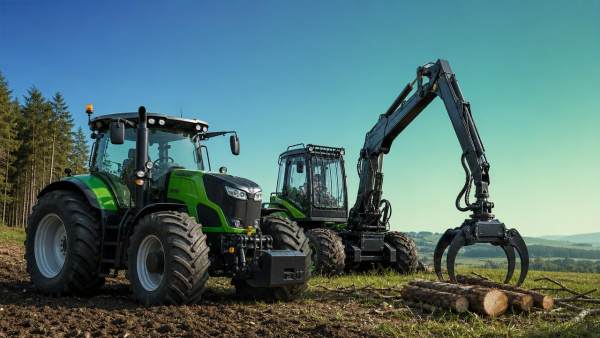
When evaluating modern equipment, understanding which Agri & Forestry machinery specifications matter most can directly affect safety, fuel efficiency, field productivity, and long-term operating costs.
For users and operators, the right specifications are not just technical details. They determine how well a machine performs under real working conditions.
This guide explains the most important Agri & Forestry machinery specifications, why they matter, and how to compare them with confidence across agricultural and forestry applications.
What do Agri & Forestry machinery specifications actually include?
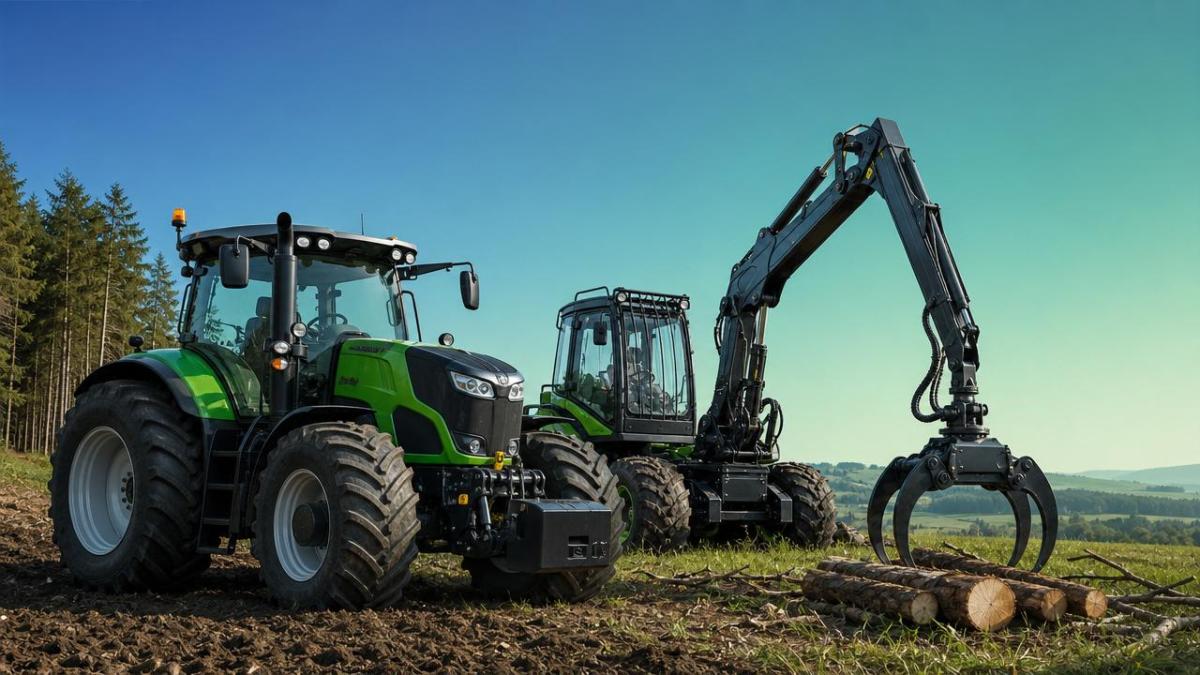
Agri & Forestry machinery specifications describe the measurable capabilities, limits, and design features of a machine.
They usually cover engine output, torque, hydraulic flow, transmission type, working width, lifting capacity, ground clearance, weight, tire setup, and safety systems.
In forestry equipment, the list often expands to boom reach, grapple force, winch pull, guarding, slope stability, and cab protection standards.
These Agri & Forestry machinery specifications should never be read in isolation. One strong figure can look impressive but underperform when paired with weak supporting systems.
For example, high horsepower alone does not guarantee productivity. Poor traction, limited hydraulic flow, or an unsuitable transmission can reduce real output.
A practical reading of specifications asks one simple question. Can the machine deliver stable performance in the actual field, forest, slope, soil, or weather conditions?
Core specification groups to review
- Powertrain: horsepower, torque curve, transmission, drivetrain
- Hydraulics: pressure, flow rate, control response
- Dimensions: wheelbase, turning radius, width, height
- Load handling: lift capacity, hitch rating, axle limits
- Terrain fit: clearance, tires, tracks, stability angle
- Protection and compliance: cab safety, emissions, guarding
Which engine and powertrain specifications matter most?
Among all Agri & Forestry machinery specifications, engine and drivetrain details are usually the first comparison point.
Horsepower matters, but torque often matters more in heavy pulling, climbing, lifting, or operating hydraulic attachments under load.
Look at where peak torque occurs. Lower rpm torque can improve control, reduce gear shifting, and support fuel efficiency in difficult terrain.
Transmission choice also changes performance. Mechanical gearboxes, powershift systems, CVT options, and hydrostatic drives each suit different working patterns.
For repetitive loader work or precise forestry movement, hydrostatic or CVT systems can improve control. For long pulling tasks, powershift may offer better transfer efficiency.
Two machines with equal horsepower can feel completely different. Weight balance, gear ratios, axle design, and four-wheel drive engagement affect usable power.
Powertrain comparison checklist
- Check rated horsepower and PTO horsepower separately.
- Review torque output and torque rise under load.
- Confirm transmission speeds match task needs.
- Compare fuel consumption at normal operating loads.
- Assess cooling performance for hot, dusty conditions.
How important are hydraulic, lifting, and attachment specifications?
Many buying mistakes happen here. Agri & Forestry machinery specifications for hydraulics often decide attachment speed, lifting control, and cycle time.
Hydraulic flow rate affects how fast motors and cylinders operate. Hydraulic pressure affects force. Both values must match the intended implement or tool.
If flow is too low, attachments become slow and inefficient. If pressure is insufficient, lifting or cutting force may fail under real load.
Lift capacity also needs careful reading. Some ratings are measured at pivot points, while others are measured at a specific distance forward.
That difference matters. A machine may advertise a strong lift figure but deliver less safe lifting capacity when handling bulky logs, bales, or sprayer tanks.
For multi-tool operations, check auxiliary hydraulic circuits, coupler compatibility, PTO speed options, and electronic control integration.
Watch these hydraulic details
- Pump type and total flow rate
- System pressure and relief settings
- Remote valve quantity and response
- Front loader or boom lift geometry
- Attachment interface standards
- Oil cooling and contamination protection
Which size, weight, and terrain specifications affect real-world performance?
Size and weight are among the most misunderstood Agri & Forestry machinery specifications.
A heavier machine can improve traction and stability. It can also increase soil compaction, transport costs, and access problems on soft ground.
Operating width matters in orchards, narrow rows, forest lanes, and storage buildings. Overall height matters under branches, sheds, and transport restrictions.
Ground clearance affects residue handling, stump crossing, and uneven land movement. Turning radius influences maneuverability in tight plots or timber stands.
Tire choice deserves equal attention. Radial tires, flotation tires, tracks, and dual setups change grip, ride quality, compaction, and hillside confidence.
For forestry work, underbody protection, guarding, and machine balance become even more important than simple transport dimensions.
Quick comparison table
How do safety, compliance, and durability specifications change the decision?
Safety-related Agri & Forestry machinery specifications should never be treated as optional extras.
ROPS, FOPS, braking systems, lighting, visibility zones, emergency shutoff functions, and guarding all influence risk exposure during daily use.
Cab design matters too. Noise level, vibration control, dust sealing, filtration, and seat support can affect fatigue and long-shift concentration.
Emissions standards are also important. Compliance with regional rules can affect registration, resale, operating permissions, and maintenance requirements.
Durability indicators include frame construction, axle rating, service interval length, corrosion protection, and component accessibility.
A machine with slightly lower headline power may still be the better choice if downtime risk is lower and service access is easier.
Signs of durable specification design
- Protected hoses and electrical routing
- Reinforced joints and heavy-duty pins
- Accessible filters and lubrication points
- Cooling systems built for dust and debris
- Documented compliance with relevant standards
What mistakes should be avoided when comparing Agri & Forestry machinery specifications?
The first mistake is comparing one headline number only. Agri & Forestry machinery specifications must be assessed as a system.
The second mistake is ignoring the operating environment. Soil type, slope, moisture, residue load, tree density, and haul distance all influence the right specification balance.
The third mistake is overlooking transport and storage constraints. A machine may fit the field task but fail road, trailer, shed, or gateway requirements.
Another common error is failing to confirm attachment compatibility. Hydraulic couplers, PTO speed, control software, and hitch dimensions must align.
Finally, do not confuse advertised maximum values with continuous working values. Real productivity depends on sustained performance, not brief peak outputs.
FAQ summary table
The most useful Agri & Forestry machinery specifications are the ones that predict daily performance, not just brochure appeal.
Focus on how power, hydraulics, size, terrain fit, safety, and durability work together in the intended application.
Create a comparison sheet before making a final choice. Include operating conditions, attachment needs, transport limits, and maintenance access.
A careful review of Agri & Forestry machinery specifications can improve uptime, reduce ownership cost, and support more reliable long-term performance.
Related Intelligence
- Heavy Agri MachineryHow Does Market Forecasting Help Plan Farm Machinery Procurement?How does market forecasting help agri procurement planning? Discover how to time machinery purchases, protect cash flow, and reduce delivery risks before critical farm deadlines.
- Heavy Agri MachineryIs It Safe to Source Farm Machinery from Emerging Markets?Is it safe to source agri machinery from emerging markets? Discover how to verify suppliers, check compliance, and secure parts support to protect your farm and avoid costly buying mistakes.
- Heavy Agri MachineryHow to Size a Combine Harvester for Acreage, Crop Mix, and Harvest WindowsCombine harvesters sized for your acreage, crop mix, and harvest window: calculate real field capacity, match headers, and avoid costly bottlenecks.
The Morning Broadsheet
Daily chemical briefings, market shifts, and peer-reviewed summaries delivered to your terminal.
