

The Authority in Global Agricultural Chemistry & Bio-Resources
Trump’s China Visit Highlights Auto & New Energy Ties, Boosting Agri-Machinery Supply Chain Opportunities
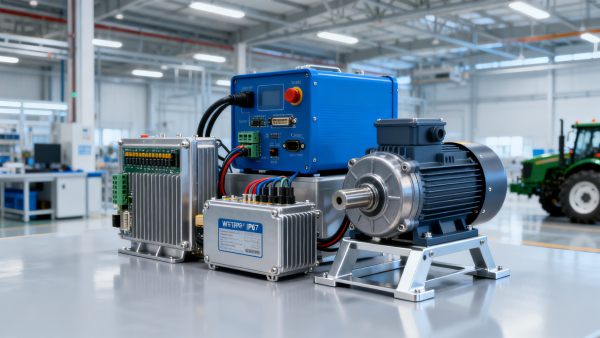
Former U.S. President Donald Trump’s May 13–15, 2026 visit to China—centered on advanced manufacturing collaboration, especially in new energy vehicles and battery systems—has drawn attention from agricultural machinery exporters and Tier-2 component suppliers. Though agriculture equipment was not explicitly addressed, the emphasis on leveraging China’s strengths in battery modules, intelligent electronic controls, and lightweight chassis has triggered early evaluation activity by major U.S. agri-machinery OEMs, creating indirect but tangible supply chain alignment opportunities.
Event Overview
Donald Trump visited China from May 13 to 15, 2026. During the trip, he toured facilities of CATL (Contemporary Amperex Technology Co. Limited) and BYD, with official statements highlighting ‘China’s advantages in the new energy industrial chain’. The itinerary and public remarks explicitly referenced strengthening U.S.–China cooperation in advanced manufacturing. No formal agreements or policy announcements related to agricultural machinery were issued, nor were any U.S. or Chinese agricultural equipment manufacturers directly named in official coverage.
Industries Affected
Direct Exporters of Heavy Agricultural Machinery
These companies do not manufacture complete tractors or harvesters for the U.S. market but may supply subsystems or subassemblies. While they were not part of the official agenda, their exposure to U.S. OEM sourcing signals increases indirectly: John Deere and CNH Industrial have begun preliminary assessments of qualified Chinese suppliers for battery modules, smart powertrain controls, and structural chassis components. Impact is currently limited to exploratory engagement—not procurement commitments—but may shape future tender criteria and qualification pathways.
Suppliers of Battery Modules and Power Electronics
Firms producing lithium-ion battery packs, BMS units, or motor control units for EVs—especially those already certified to ISO 26262 or ASIL-B standards—may face expanded scrutiny as potential dual-use candidates for off-road electrification. The visit reinforces visibility for such suppliers in cross-sector OEM evaluations, though no new certification mandates or export eligibility changes have been announced.
Manufacturers of Lightweight Chassis & Structural Components
Companies specializing in aluminum-intensive or high-strength steel subframes, suspension modules, or modular cab platforms—particularly those with automotive-tier validation experience—could see increased inbound technical inquiries. The emphasis on ‘advanced manufacturing synergy’ signals growing openness to shared platform engineering across mobility segments, including heavy-duty agricultural applications.
Supply Chain Service Providers (Logistics, Certification Support, Localization Consulting)
Third-party firms supporting export compliance, UL/ETL listing, functional safety documentation, or U.S. regulatory liaison may observe rising demand for pre-qualification support. This stems not from new regulations, but from OEMs accelerating internal due diligence ahead of potential supplier onboarding cycles—especially for subsystems requiring integration into ISO 11783 (ISOBUS) or SAE J1939 environments.
What Relevant Companies or Practitioners Should Focus On Now
Monitor follow-up technical dialogues—not just policy statements
Current developments stem from OEM-level engineering assessments, not government trade frameworks. Track technical white papers, joint lab announcements, or pilot integration reports from John Deere or CNH Industrial over Q3 2026, rather than awaiting formal bilateral memoranda.
Review product certifications against off-road vehicle requirements
Confirm whether existing battery module or controller certifications cover environmental robustness (e.g., IP67, -40°C to +85°C), vibration resistance (ISO 16750-3), or electromagnetic compatibility (CISPR 25 Class 3). These are more immediately relevant than general EV approvals when engaging with agri-OEMs.
Distinguish between signal and execution timelines
The visit represents a strategic signal—not an operational pivot. Most U.S. agri-OEMs maintain 18–24 month lead times for subsystem qualification. Early-stage supplier mapping does not imply near-term order flow; however, it does affect which vendors appear on pre-qualified lists for upcoming RFPs.
Prepare modular technical documentation packages
Aggregate test reports, failure mode analyses (FMEA), interface control documents (ICDs), and software architecture diagrams into standardized, English-language kits. Agri-OEM engineering teams prioritize rapid technical vetting—especially for subsystems where mechanical mounting, CAN bus protocols, and thermal management interfaces must align precisely.
Editorial Perspective / Industry Observation
Observably, this event functions primarily as a coordination signal—not a policy trigger. It reflects growing recognition among U.S. industrial OEMs that China’s scale and maturity in specific new energy subsystems can accelerate electrification roadmaps beyond passenger vehicles. Analysis shows the linkage to agricultural machinery remains indirect and opportunistic: no new export categories, tariff adjustments, or regulatory harmonization initiatives have emerged. From an industry perspective, the value lies in timing—early visibility into shifting OEM sourcing logic, not immediate commercial conversion. Continued monitoring is warranted because subsystem-level collaboration could lower entry barriers for Chinese suppliers in non-automotive mobility sectors—but only if aligned with functional safety, durability, and interoperability expectations unique to heavy off-road applications.
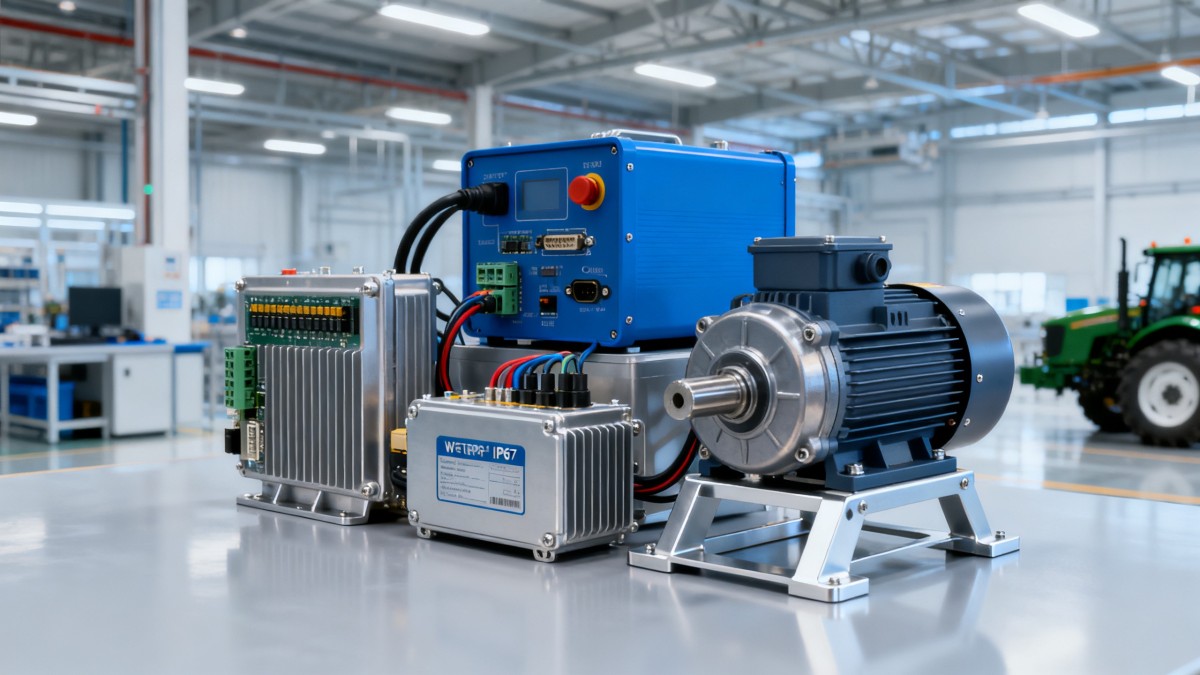
Conclusion: Trump’s 2026 China visit did not produce direct outcomes for agricultural equipment trade. Instead, it amplified an emerging pattern—U.S. industrial OEMs increasingly treating select Chinese new energy subsystem suppliers as viable partners across mobility domains. For affected companies, the current implication is preparatory, not transactional. It is better understood as an early indicator of evolving supply chain logic, not evidence of imminent market access or volume growth.
Source Attribution:
• Official itinerary and remarks released by the Office of the Former U.S. President (May 2026)
• Public facility visit confirmations from CATL and BYD corporate communications (May 13–15, 2026)
• Statements from John Deere and CNH Industrial confirming ‘ongoing supplier capability reviews’ (reported by Reuters, May 16, 2026)
Note: Ongoing assessment activity by U.S. agri-OEMs remains at the technical evaluation stage; no procurement decisions or formal partnerships have been confirmed as of publication.
Related Intelligence
- Heavy Agri MachineryHow Does Market Forecasting Help Plan Farm Machinery Procurement?How does market forecasting help agri procurement planning? Discover how to time machinery purchases, protect cash flow, and reduce delivery risks before critical farm deadlines.
- Heavy Agri MachineryIs It Safe to Source Farm Machinery from Emerging Markets?Is it safe to source agri machinery from emerging markets? Discover how to verify suppliers, check compliance, and secure parts support to protect your farm and avoid costly buying mistakes.
- Heavy Agri MachineryHow to Size a Combine Harvester for Acreage, Crop Mix, and Harvest WindowsCombine harvesters sized for your acreage, crop mix, and harvest window: calculate real field capacity, match headers, and avoid costly bottlenecks.
The Morning Broadsheet
Daily chemical briefings, market shifts, and peer-reviewed summaries delivered to your terminal.
