

The Authority in Global Agricultural Chemistry & Bio-Resources
What is changing in Agri & Forestry this year
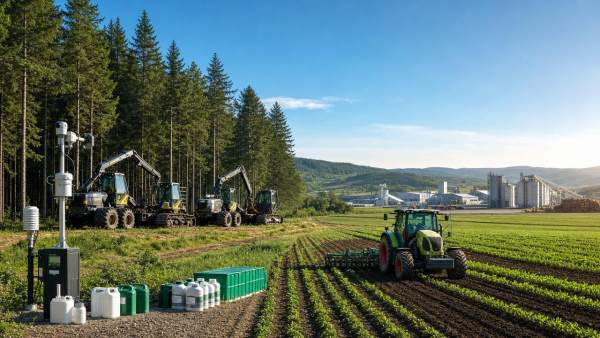
Agri & Forestry is changing rapidly this year as regulation, automation, sustainability goals, and supply chain pressure reshape how primary industries operate. For information-led decision makers, understanding these shifts is essential to evaluating risk, sourcing technology, and identifying competitive advantage. This overview highlights the most important developments influencing investment, production efficiency, compliance, and market strategy across the sector.
Why Agri & Forestry is shifting faster this year
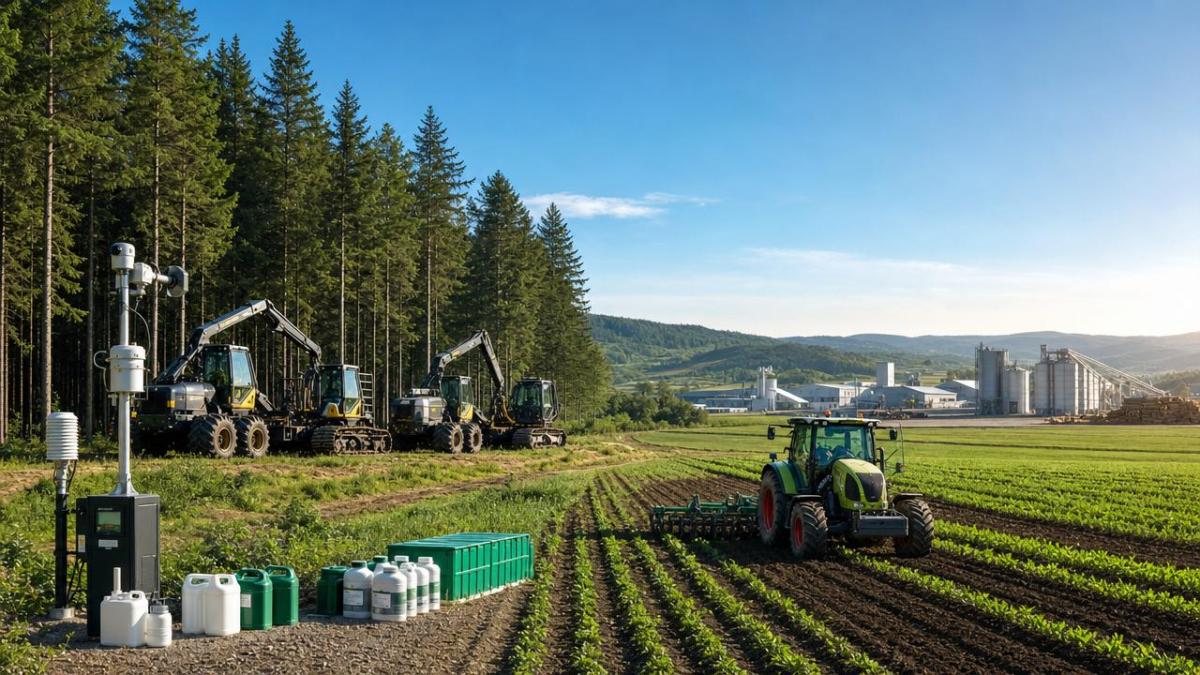
Agri & Forestry is no longer driven only by yield, acreage, and equipment ownership. This year, decision cycles are being shaped by tighter environmental oversight, cost volatility, labor shortages, digital reporting demands, and more selective capital expenditure.
For researchers, procurement teams, and technical evaluators, the key issue is not simply what is new. The real question is which changes materially affect sourcing decisions, operating risk, and supplier credibility across farms, forests, processing plants, and industrial input chains.
This is especially important where Agri & Forestry overlaps with fine chemicals, feed processing, bio-extracts, aquaculture systems, and machinery procurement. A change in one node of the chain can alter compliance obligations, logistics cost, or downtime exposure elsewhere.
- Regulatory expansion is pushing operators to document inputs, emissions, traceability, and handling practices in greater detail.
- Automation is moving from pilot projects into practical field and processing applications where labor and uptime are critical.
- Procurement standards are becoming more technical, with buyers comparing lifecycle cost, parts availability, validation documents, and supplier transparency.
- Sustainability targets are no longer abstract branding tools; they increasingly influence financing, market access, and contract eligibility.
What changes matter most for Agri & Forestry buyers and analysts?
The most relevant developments in Agri & Forestry can be grouped into operational, regulatory, and commercial shifts. For information researchers, this structure makes it easier to compare where immediate action is needed and where monitoring is sufficient.
The table below summarizes the current change drivers affecting investment reviews, supplier qualification, and technology adoption across the wider primary industries landscape.
The practical takeaway is clear: Agri & Forestry decisions this year are less about chasing novelty and more about proving resilience. Buyers increasingly favor solutions that can be documented, maintained, and defended in audits or board-level reviews.
Where the pressure is strongest
The pressure is strongest in segments where technical performance meets regulation. That includes chemical inputs, processing equipment, forestry machinery, aquaculture infrastructure, and systems tied to food, feed, or pharmaceutical value chains.
In these environments, a cheaper option can become the more expensive one if it delays validation, lacks service support, or fails to meet reporting expectations.
How automation is changing field, forest, and processing operations
Automation in Agri & Forestry is becoming more selective and ROI-driven. Instead of broad digitization programs, operators are prioritizing applications that reduce labor dependence, improve timing accuracy, and lower avoidable waste.
High-impact use cases this year
- Precision application systems that adjust dosage or treatment rates based on variable conditions, reducing overuse of inputs.
- Fleet monitoring for tractors, harvesters, and forestry equipment to track fuel use, idle time, maintenance intervals, and route productivity.
- Sensor-based process control in feed, grain, and bio-extract operations where moisture, temperature, throughput, and contamination risk must be monitored continuously.
- Remote oversight in aquaculture and water-dependent systems where oxygen, flow, or treatment stability can affect stock health and output quality.
However, information researchers should look past the automation label itself. The stronger evaluation questions are about interoperability, operator training, service response time, replacement parts, and whether the collected data can be used for compliance or procurement reporting.
What to compare before approving an automation investment
In Agri & Forestry, the wrong automation purchase often fails not because the technology is weak, but because implementation assumptions were incomplete. A comparison framework helps reduce that risk.
This comparison shows why Agri & Forestry buyers are moving toward lifecycle evaluation. Upfront price still matters, but operational fit, reporting value, and downtime impact now carry greater weight in technical reviews.
Why regulation and certification are becoming central to Agri & Forestry strategy
Regulation is no longer a back-office concern. In Agri & Forestry, it now influences machinery selection, chemical sourcing, storage design, labeling practices, and even contract eligibility with downstream industrial buyers.
For sectors linked to fine chemicals, APIs, feed ingredients, and environmental interfaces, compliance expectations often span multiple frameworks. Depending on the product and destination market, teams may need to examine GMP, EPA-related controls, FDA-facing requirements, environmental permits, residue handling rules, and traceability records.
Common compliance priorities for this year
- Supplier documentation quality, including batch, origin, handling, and transport records.
- Equipment suitability for regulated environments, especially where contamination control or validated cleaning matters.
- Environmental performance records tied to water use, discharge, emissions, or land management.
- Cross-border trade readiness, including harmonized specifications and technical file availability.
This is where an intelligence source with technical and trade expertise becomes valuable. AgriChem Chronicle focuses on connecting market movement with the operational meaning behind standards, helping information researchers understand not just which rule exists, but how it influences sourcing and supplier screening.
How supply chain pressure is changing procurement in Agri & Forestry
Supply chain volatility remains one of the biggest forces behind Agri & Forestry change this year. The challenge is no longer limited to shipping disruption. It now includes component dependency, uneven regional inventory, uncertain reformulation timelines, and slower technical approvals.
What procurement teams are doing differently
- Qualifying backup suppliers earlier, especially for process-critical consumables and machine components.
- Requesting deeper technical files before negotiation, rather than after shortlist approval.
- Comparing delivery reliability and after-sales structure as seriously as unit price.
- Building more conservative assumptions into commissioning and ramp-up schedules.
In practical terms, Agri & Forestry procurement is shifting from price-led comparison to continuity-led comparison. A supplier that can explain origin, testing, transit conditions, technical support scope, and replacement lead times often has an advantage over one offering a lower quote with limited transparency.
Which Agri & Forestry scenarios require the most careful selection?
Not every purchase carries the same risk. Some Agri & Forestry scenarios deserve a deeper review because failure affects output quality, worker safety, environmental standing, or downstream customer acceptance.
High-scrutiny scenarios
- API and fine chemical sourcing linked to regulated production, where consistency, traceability, and documentation are non-negotiable.
- Feed and grain processing upgrades, where throughput targets must align with hygiene control, material compatibility, and maintenance planning.
- Forestry machinery procurement for remote operations, where service access and spare parts strategy may matter more than nominal machine output.
- Aquaculture system purchases, where water control, power stability, and biological sensitivity create a narrow tolerance for error.
Across these scenarios, information researchers need sources that combine market context with technical interpretation. That combination helps teams avoid two common mistakes: overvaluing marketing language and undervaluing documentation quality.
How to evaluate cost, alternatives, and implementation risk
A major Agri & Forestry trend this year is more disciplined cost analysis. Buyers are comparing not only purchase price, but installation complexity, calibration needs, consumables, operator training, compliance burden, and probable service interruption cost.
A practical evaluation checklist
- Define the real operating bottleneck. Is the problem labor, yield variability, compliance exposure, energy use, or product consistency?
- Separate essential specifications from desirable features. This keeps procurement aligned with use-case reality.
- Estimate total adoption cost over a realistic period, including downtime and technical support.
- Review alternatives such as retrofit upgrades, phased deployment, or contract processing where capital efficiency matters.
- Confirm whether the chosen option improves documentation and reporting, not just raw output.
This approach is especially useful for mixed industrial environments where agriculture, chemicals, processing, and export compliance intersect. The lowest initial spend may not be the best decision if it creates recurring data gaps or unplanned maintenance exposure.
FAQ: what information researchers ask most about Agri & Forestry this year
How should I prioritize Agri & Forestry trends when everything seems urgent?
Start with the changes that affect contract risk and operational continuity: compliance, sourcing reliability, and process-critical automation. After that, assess sustainability metrics and broader digital upgrades. This sequence supports better capital discipline.
What are the most overlooked risks in Agri & Forestry procurement?
Three risks are often underestimated: weak supplier documentation, optimistic lead-time assumptions, and poor service network coverage. These issues may not appear in headline pricing, but they frequently shape real delivery performance and audit readiness.
Are sustainability requirements mainly a reporting issue?
No. In Agri & Forestry, sustainability now affects finance discussions, export positioning, customer acceptance, and technology selection. It is becoming an operational filter, not just a communications topic.
How can I compare suppliers more effectively in regulated segments?
Ask for technical documentation early, verify traceability depth, review after-sales scope, and compare how each supplier handles deviations, change notifications, and delivery commitments. In regulated value chains, process discipline matters as much as product claims.
Why informed market intelligence matters more now
This year’s Agri & Forestry environment rewards clarity. Organizations that can distinguish meaningful technical change from broad market noise are better positioned to control risk, justify investment, and secure dependable supply relationships.
AgriChem Chronicle supports that need by covering the points where agriculture, forestry, biochemical production, machinery, feed systems, aquaculture technology, and compliance intersect. That editorial focus is useful for information researchers who need more than headlines and less than raw data overload.
Why choose us for Agri & Forestry research support
If you are evaluating Agri & Forestry suppliers, technologies, or investment directions, ACC can help you narrow the field with sector-specific intelligence and technically grounded analysis. Our coverage is designed for procurement reviewers, industrial operators, and research teams that need actionable interpretation.
You can contact us to discuss parameter confirmation, supplier comparison, product selection logic, delivery-cycle considerations, regulatory and certification questions, processing compatibility, and market-entry research across machinery, chemicals, feed systems, bio-extracts, and aquaculture technologies.
When project risk depends on documentation quality, sourcing transparency, or cross-border compliance, informed screening saves time and avoids expensive re-evaluation. For Agri & Forestry decisions that require deeper technical context, ACC provides a practical starting point for smarter shortlisting and stronger procurement confidence.
Related Intelligence
- Heavy Agri MachineryHow Does Market Forecasting Help Plan Farm Machinery Procurement?How does market forecasting help agri procurement planning? Discover how to time machinery purchases, protect cash flow, and reduce delivery risks before critical farm deadlines.
- Heavy Agri MachineryIs It Safe to Source Farm Machinery from Emerging Markets?Is it safe to source agri machinery from emerging markets? Discover how to verify suppliers, check compliance, and secure parts support to protect your farm and avoid costly buying mistakes.
- Heavy Agri MachineryHow to Size a Combine Harvester for Acreage, Crop Mix, and Harvest WindowsCombine harvesters sized for your acreage, crop mix, and harvest window: calculate real field capacity, match headers, and avoid costly bottlenecks.
The Morning Broadsheet
Daily chemical briefings, market shifts, and peer-reviewed summaries delivered to your terminal.
