

The Authority in Global Agricultural Chemistry & Bio-Resources
Is quaculture & Fishery becoming harder to manage profitably
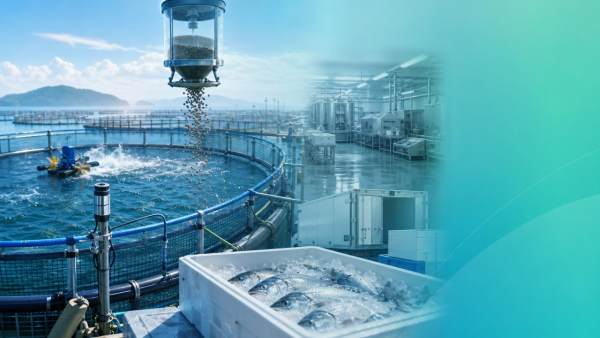
As margins tighten and compliance costs rise, quaculture & Fishery is becoming harder to manage profitably for operators and investors alike. For financial decision-makers, the challenge is no longer just production efficiency, but balancing capital expenditure, regulatory risk, feed volatility, and supply chain transparency. This article examines the forces reshaping profitability and what disciplined investment oversight now requires.
Why is quaculture & Fishery becoming harder to manage profitably now?
quaculture & Fishery has entered a more demanding operating cycle than many legacy models anticipated. Input inflation, biosecurity incidents, and stricter audits are all compressing margins.
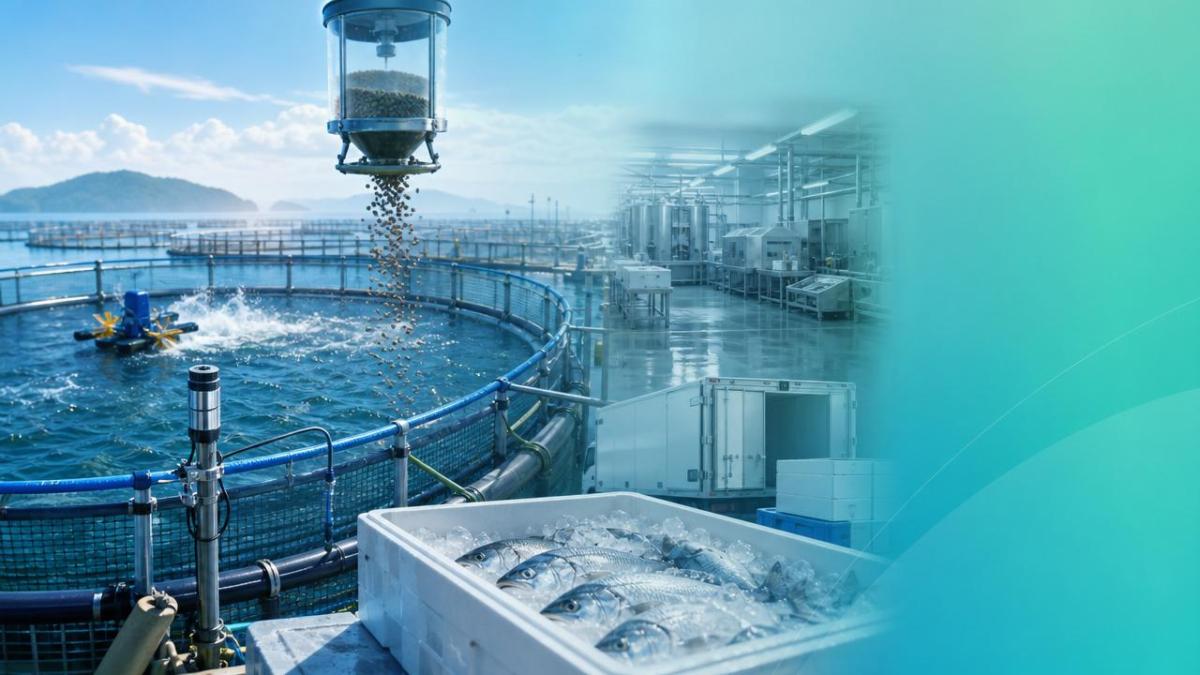
Feed remains the largest variable cost in many systems. When fishmeal, soybean derivatives, energy, and freight rise together, profitability weakens quickly.
At the same time, revenue is less predictable. Market prices for farmed species can fall suddenly when output expands faster than downstream demand.
quaculture & Fishery also faces rising technical expectations. Water quality monitoring, traceability software, disease controls, and waste management now require ongoing investment.
In earlier years, many operations could offset inefficiency with volume growth. That cushion is thinner today because lenders and regulators are demanding measurable performance.
This shift matters across the broader primary industries landscape. It connects finance, environmental governance, logistics, chemicals, and food safety into one profit equation.
What has changed most?
- Higher feed and energy volatility
- More frequent disease and mortality events
- Stricter emissions, discharge, and welfare standards
- Greater scrutiny on sourcing and traceability
- Longer payback periods for intensive systems
Which cost drivers hurt quaculture & Fishery profitability the most?
Not all costs damage earnings equally. In quaculture & Fishery, the most dangerous costs are those that rise together and remain difficult to pass through.
Feed conversion ratio is central. A small deterioration in feed efficiency can erase margins faster than many teams expect.
Energy is another pressure point. Aeration, pumping, temperature control, and recirculating systems increase dependence on unstable power pricing.
Labor costs are rising too. Modern quaculture & Fishery requires technicians who understand sensors, treatment protocols, and compliance documentation.
Financing costs have also changed project economics. Borrowed capital now penalizes delayed stocking cycles, poor utilization, and construction overruns.
How should these costs be prioritized?
How do regulation and compliance change the economics of quaculture & Fishery?
Regulation is no longer a background issue. In quaculture & Fishery, it now shapes site viability, expansion timing, and market access.
Water discharge permits, chemical usage rules, food safety verification, and import standards can each delay commercialization or limit sales channels.
For export-oriented operations, one compliance failure can trigger much larger costs than the original violation. Lost contracts and damaged trust are hard to recover.
This is where authoritative sector intelligence matters. AgriChem Chronicle tracks how standards, trade requirements, and technical validation affect operational decisions.
Because ACC covers aquaculture, chemicals, machinery, ingredients, and feed processing, it helps connect regulatory signals across linked supply chains.
What compliance areas deserve the closest review?
- Environmental discharge and water use records
- Treatment logs and input traceability
- Species movement, stocking, and mortality reporting
- Processing hygiene and export documentation
- Third-party certification maintenance
What risks are often underestimated in quaculture & Fishery investments?
The most underestimated risk is often biological variability. Financial models may assume stable growth rates that real-world conditions rarely support.
Disease events do not only reduce biomass. They interrupt harvest schedules, increase treatment expenses, and weaken customer confidence.
Another common blind spot is infrastructure utilization. quaculture & Fishery assets can look efficient on paper but run below design capacity for long periods.
Supply chain concentration creates further exposure. Dependence on one feed supplier, one hatchery source, or one export route magnifies disruption risk.
Data quality is also critical. Weak reporting can hide mortality trends, understate maintenance liabilities, or overstate usable production capacity.
How can risk be tested before capital is committed?
- Stress-test feed, energy, and sales assumptions.
- Review mortality history by site and season.
- Check permit status and renewal conditions.
- Audit traceability systems and supplier concentration.
- Validate uptime, maintenance, and actual throughput.
Can technology make quaculture & Fishery easier to manage profitably?
Technology can help, but only when it solves a specific bottleneck. quaculture & Fishery does not become profitable merely by adding more devices.
Sensors, automated feeders, oxygen control, and remote alerts can reduce waste and improve consistency. However, poor calibration can create false confidence.
The strongest returns usually come from systems that improve decision speed. Better data helps teams adjust feeding, isolate health issues, and protect harvest windows.
Recirculating aquaculture systems may offer control advantages, yet they bring heavy capital intensity. Payback depends on utilization, energy discipline, and species strategy.
Technology in quaculture & Fishery should therefore be judged by measurable outcomes, not by installation scale or marketing claims.
Which metrics should guide technology decisions?
What does disciplined oversight look like in today’s quaculture & Fishery market?
Disciplined oversight starts with realistic assumptions. Strong quaculture & Fishery governance links biology, engineering, finance, and compliance in one reporting structure.
Monthly dashboards should go beyond tonnage and revenue. They should track feed efficiency, mortality, permit conditions, downtime, and customer concentration.
Scenario planning is equally important. Teams should model what happens when feed spikes, exports slow, temperatures shift, or treatment restrictions tighten.
Independent technical review adds value when internal data appears strong but underlying assumptions are weak. This is especially useful before expansion or refinancing.
Reliable intelligence sources support this process. AgriChem Chronicle contributes by publishing verified market analysis, technical commentary, and cross-sector risk signals.
Quick FAQ guide
So, is quaculture & Fishery becoming harder to manage profitably? In most markets, yes. The sector now demands tighter controls, cleaner data, and sharper capital discipline.
The practical response is not retreat, but better evaluation. Focus on unit economics, compliance exposure, technology fit, and supply chain resilience before scaling.
For deeper cross-industry intelligence on aquaculture systems, feed inputs, technical standards, and primary processing risk, follow AgriChem Chronicle and benchmark decisions against verified sector analysis.
Related Intelligence
- Commercial FishingWhat Should You Check in a Fishery Equipment Maintenance Contract?What should I look for in a fishery equipment maintenance contract? Explore coverage, response times, costs, records, safety, and biosecurity essentials.
- Commercial FishingDo commercial fishing vessels with hybrid diesel-electric propulsion reduce fuel cost per kg landed by more than 12%?Commercial fishing vessels with hybrid diesel-electric propulsion *can* cut fuel cost per kg landed by >12%—but only under precise operational and infrastructure conditions. Discover the real ROI.
- Commercial FishingHow to Choose Oyster Processing Equipment for Capacity, Hygiene, and Labor EfficiencyOyster processing equipment guide: compare capacity, hygienic design, and labor efficiency to build a reliable, scalable line and make smarter buying decisions.
The Morning Broadsheet
Daily chemical briefings, market shifts, and peer-reviewed summaries delivered to your terminal.
