

The Authority in Global Agricultural Chemistry & Bio-Resources
FDA Updates Botanical Extracts Import Compliance: GMP + DNA Barcoding Effective June 1
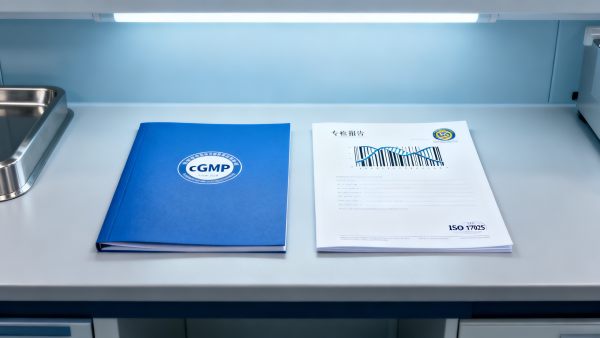
On May 16, 2026, the U.S. Food and Drug Administration (FDA) issued the Industry Guidance #2026-089, titled Enhanced Verification Guidance for Imported Botanical Extracts. This update mandates dual verification—current Good Manufacturing Practice (cGMP) certification and ISO/IEC 17025-accredited DNA barcoding species identification—for all botanical extracts entering the U.S. market starting June 1, 2026. Exporters, ingredient suppliers, dietary supplement manufacturers, and contract manufacturers—particularly those based in China and other major botanical sourcing regions—must now reassess documentation readiness, testing timelines, and supply chain coordination to avoid customs delays or shipment rejections.
Event Overview
On May 16, 2026, the U.S. FDA published Industry Guidance #2026-089, Enhanced Verification Guidance for Imported Botanical Extracts. The guidance requires that, effective June 1, 2026, all imported botanical extracts must be accompanied by both: (1) a valid cGMP certification report, and (2) a DNA barcoding species identification report issued by an ISO/IEC 17025-accredited laboratory. The policy applies to all entries of botanical extracts intended for use in dietary supplements, cosmetics, or food ingredients. No transitional period or grace period is specified in the publicly released guidance.
Which Subsectors Are Affected
Direct Exporters and Trading Companies
These entities are directly responsible for submission of import documentation to U.S. Customs and FDA. Because the new requirement applies at entry, they must verify that each shipment includes both verified reports prior to filing entry. Failure to do so may result in detention, refusal of admission, or mandatory re-export—without opportunity for post-entry correction.
Raw Material Sourcing and Procurement Firms
Firms procuring botanical raw materials from growers or regional aggregators face upstream verification gaps. Many botanicals—especially dried roots, barks, or powdered herbs—are morphologically indistinguishable after processing. Without pre-shipment DNA barcoding, procurement teams cannot confirm species authenticity before bulk purchase, increasing risk of non-compliant inventory accumulation.
Contract Manufacturers and Dietary Supplement Formulators
These firms rely on incoming botanical extracts as critical input materials. Under current FDA expectations for supplier control (21 CFR 111.70), they bear responsibility for verifying supplier compliance—even when not the legal importer. The new requirement therefore extends their due diligence obligations to include review and retention of both cGMP and DNA barcoding documentation for each lot received.
Logistics and Regulatory Support Providers
Third-party customs brokers, regulatory consultants, and testing coordination services must now validate two distinct technical documents—not just one—for every botanical extract entry. This increases document review time, cross-checking complexity, and potential liability if either report lacks required accreditation scope or sample traceability statements.
What Relevant Enterprises or Practitioners Should Focus On — And How to Respond Now
Confirm Laboratory Accreditation Scope Before Testing
Not all ISO/IEC 17025-accredited labs are authorized to perform DNA barcoding for botanical species authentication. Enterprises must verify that the chosen lab’s scope explicitly covers plant DNA barcoding using ITS2 or matK markers (or other FDA-recognized loci), and that the report includes full chain-of-custody, reference sequence accession numbers, and analytical uncertainty statements.
Align cGMP Certification Validity with Shipment Timing
cGMP certifications are typically valid for 12–24 months—but FDA requires the report to reflect conditions “at the time of manufacture.” If a certified facility undergoes structural or procedural changes (e.g., new extraction equipment, revised SOPs), re-certification may be needed before export. Exporters should confirm issue dates and scope coverage match actual production batches.
Map High-Risk Botanical Categories for Prioritization
While the guidance applies universally, certain botanicals—including Ginseng spp., Epimedium spp., Withania somnifera, and Curcuma longa—have documented adulteration or substitution incidents per FDA Adverse Event Reporting System (FAERS) and USP Botanical Verification Program data. Enterprises handling these should prioritize DNA barcoding validation ahead of lower-risk species.
Update Internal Documentation Protocols Immediately
Companies must revise internal SOPs for incoming material review to require both reports as mandatory attachments—before release to production or warehousing. Digital recordkeeping systems should be configured to flag missing or expired documents automatically, supporting audit readiness under FDA inspection (21 CFR 111.125).
Editorial Perspective / Industry Observation
Observably, this guidance signals a shift from process-based oversight (cGMP alone) toward molecular-level identity assurance for high-risk natural ingredients. Analysis shows the FDA is treating botanical extracts not as generic agricultural commodities, but as functionally equivalent to active pharmaceutical ingredients in terms of identity control requirements. Current implementation timing—just 16 days between publication and enforcement—suggests the agency considers this a targeted, operational refinement rather than a broad policy pivot. From an industry perspective, it is more accurately understood as a tightening of existing verification expectations, not the introduction of wholly new regulatory categories. Continued attention is warranted, particularly regarding whether FDA will publish a list of recognized DNA barcoding reference databases or issue clarifications on acceptable sampling protocols for heterogeneous powders.
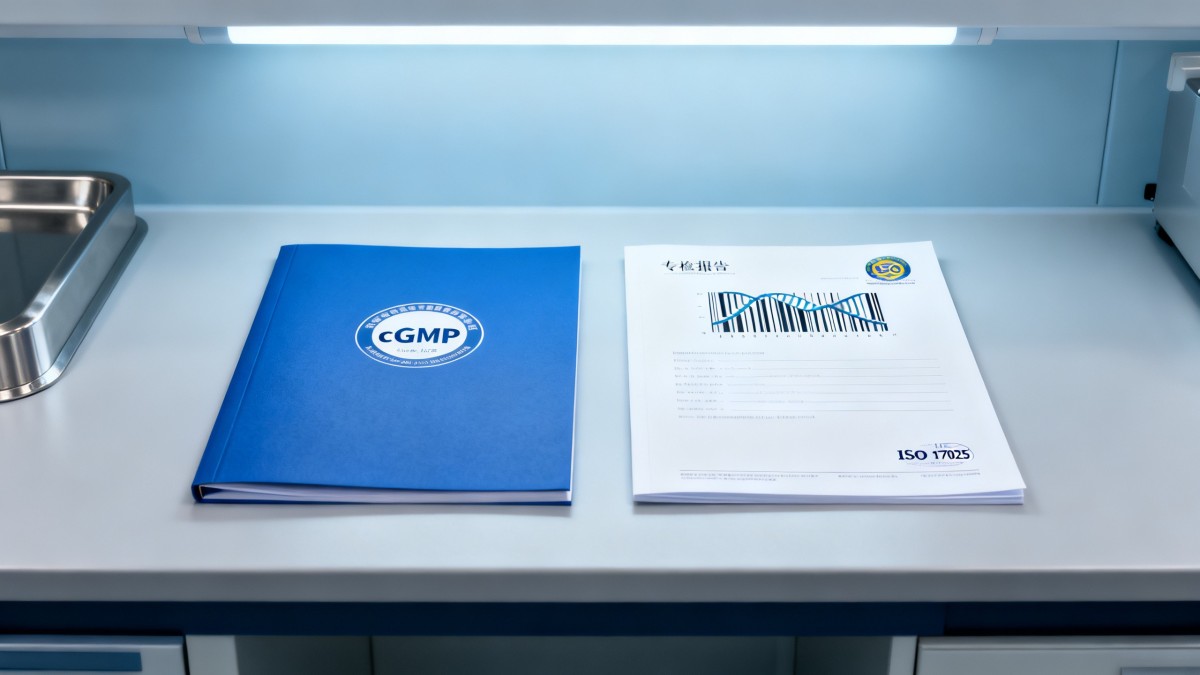
In summary, the FDA’s updated botanical extract import requirements formalize a dual-evidence standard for identity and quality assurance. It does not redefine statutory authority, but elevates evidentiary thresholds for market access. For affected enterprises, this is best understood not as an isolated compliance checkpoint—but as a structural recalibration of documentation expectations across the global botanical supply chain. Preparedness hinges less on acquiring new certifications, and more on synchronizing existing verification workflows with precise technical reporting standards.
Source: U.S. FDA, Industry Guidance #2026-089: Enhanced Verification Guidance for Imported Botanical Extracts, issued May 16, 2026. Publicly available via FDA Guidance Documents portal. Note: Clarifications on acceptable DNA barcoding methodologies, reference databases, and enforcement discretion remain pending observation.
Related Intelligence
- Botanical ExtractsChoosing Botanical Extracts for Pharmaceuticals: Potency, Purity, and ComplianceBotanical extracts for pharmaceuticals: learn how to assess potency, purity, traceability, and GMP compliance for confident, regulatory-ready supplier selection.
- Botanical ExtractsBotanical Extracts Market Outlook: Supply, Pricing, and Buyer RisksBotanical extracts market insights on supply, pricing, quality control, and buyer risks—compare suppliers confidently and protect your sourcing strategy.
- Botanical ExtractsEurope Botanical Extracts Market: Key Growth Drivers, Risks, and OpportunitiesEurope botanical extracts market insights: explore growth drivers, regulatory risks, supply-chain challenges, and scalable opportunities for compliant, high-value ingredients.
The Morning Broadsheet
Daily chemical briefings, market shifts, and peer-reviewed summaries delivered to your terminal.
